Real Hanfu: Are You Wearing It Right?

Lately, social media and news are buzzing with people rocking Hanfu for coming-of-age ceremonies, reading classic Chinese texts, or just strolling city streets. And right now, with college grads snapping graduation photos everywhere, Hanfu grad pics are stealing headlines. But what is Hanfu? What does real Hanfu look like? And what’s that “Hanfu” popping up in all these headlines? How’s that different from Chinese historical costumes?
What Is Hanfu?
Hanfu—short for “Han ethnic traditional clothing”—is the traditional outfit and accessories of the Han Chinese. It evolved naturally from the Yellow Emperor’s time through the late Ming Dynasty, rooted in Han culture and Confucian rituals, with a distinct Han vibe that sets it apart from other ethnic styles in Chinese historical costumes.
Just like “Han people” started as a dynasty name and grew to mean the whole ethnic group, “Han” in Hanfu went through the same shift.
What Makes Hanfu Special?
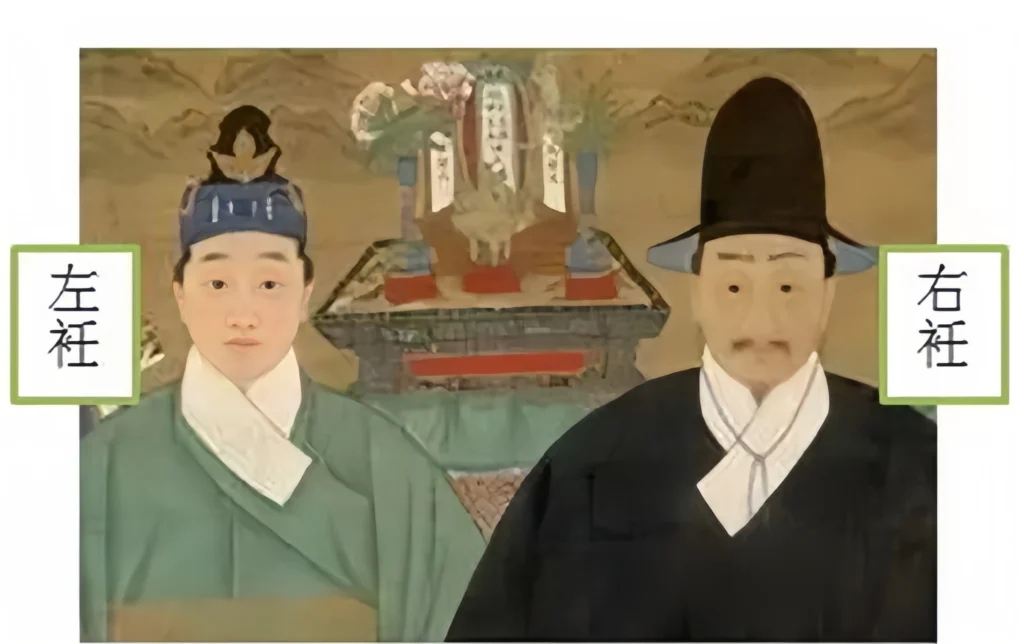
Hanfu’s signature look is the crossed collar (jiao ling) and right-side overlap (you ren), tied with ribbons instead of buttons—giving that free, flowing feel. These traits make it stand out from other cultures’ clothes. Hanfu splits into formal ritual wear and everyday casual styles in authentic Chinese robes.
Crossed Collar, Right Overlap
The classic Hanfu collar is “crossed collar, right overlap.” “Ren” means the front flap. The collar connects straight to the flaps, with the left flap crossing over the right at the chest, naturally forming that crossed look. The left flap wraps to the right armpit and ties, covering the right flap underneath—creating a “Y” shape that tilts right. That’s right overlap (vs. left overlap). This stayed consistent through dynasties, tied to China’s “right is honorable” tradition.
The two straight lines crossing at the center symbolize balanced symmetry in traditional culture—straight-up and fair. If Hanfu reps heaven-earth unity, the crossed collar is the “earth” part (square and proper), while the round sleeves are the “heaven” (round and full). This heaven-earth idea shines through in ancient Chinese culture, clearly different from other ethnic styles in Chinese historical costumes.

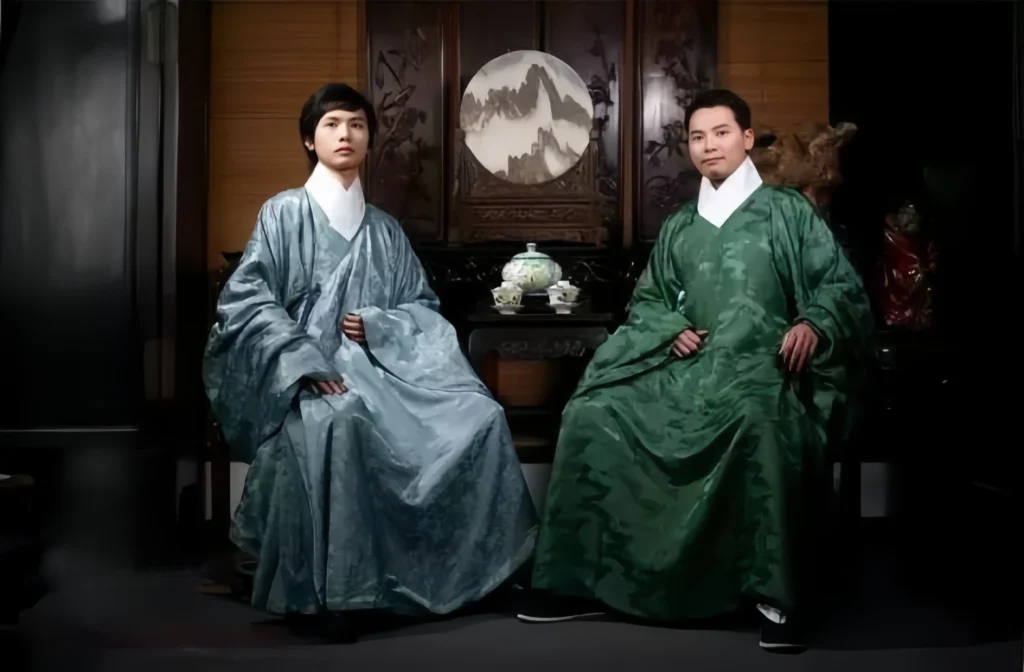
Another collar style as a crossed collar add-on: straight collar and round collar. Straight collar drops straight down from the chest without crossing—some tie at the chest, others just hang open. You’ll see it on outer layers like overcoats, half-arms, or jackets for daily wear. Round collar (mostly men’s) is a flat circle, also right overlap, tied at the right shoulder. Common in Han-Tang official wear and casual styles too, reflecting ancient Chinese dress styles.


Wide Sleeves, Long Sashes
Hanfu ritual wear is all about wide sleeves and long sashes; casual wear has shorter tops with roomy sleeves as Chinese ritual garments.
Ritual Hanfu sleeves are super wide, showing off that elegant, graceful, flowing vibe. Called “mei,” these sleeves are unique in world fashion history—all round (heaven’s roundness). From pre-Qin to Han, real examples always show round sleeves narrowing at the cuffs. Even after Tang casual styles added open small sleeves, round cuffed sleeves stayed the mainstream.

“Wide and long” defines ritual sleeve style, but it’s not the only one. Hanfu has small or short sleeves too—for everyday labor clothes, soldiers’ gear, or winter warmth. Different eras had their flair: Han-Tang nobles loved huge sleeves for rituals; Song-Ming casual jackets often went small.

Ribbon Ties, Hidden Fasteners
Hanfu “hidden fasteners” mean no visible buttons—ties or nothing. Ribbons knot the clothes shut. Plus, there’s a waist sash and long sash. All made from the same fabric as the outfit. Each garment has two pairs: one pair ties the left armpit to the right flap, the other ties the right armpit to the left flap. Knot both pairs, and you’re dressed.
The waist and long sashes add practicality, decoration, and symbolism—like power. Hanfu sashes are wider than Japanese kimono ones, following our traditional costume guide.
Hanfu Styles
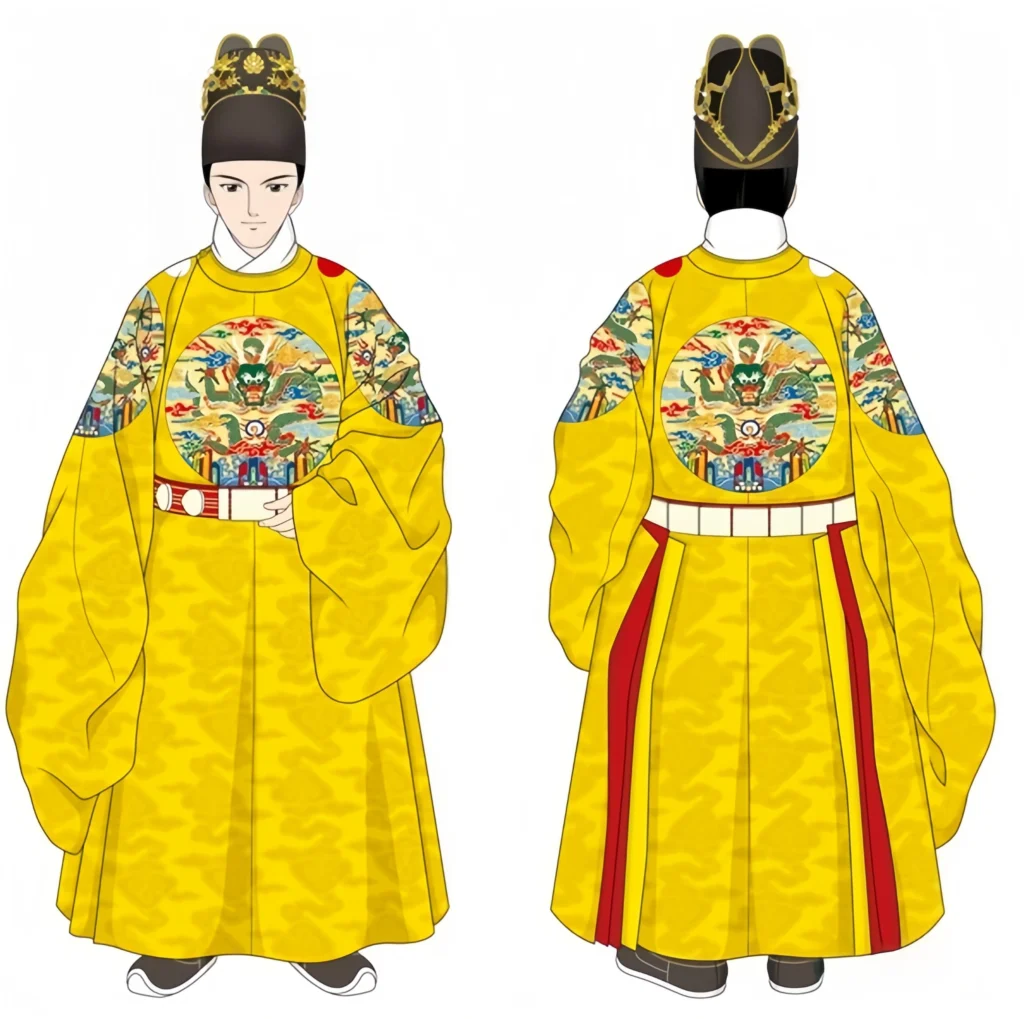
Hanfu comes in tons of styles—ritual, casual, special—but boils down to three main structures: upper-lower (yi shang), one-piece deep robe (shen yi), and top-skirt (ru qun). Crown robes (mian fu) are the fanciest for emperors and officials; robes (deep clothing) are daily wear for scholars; ru qun is women’s fave. Regular folks wore short tops with pants in Chinese historical costumes.
Upper-Lower
Upper-lower—like crown robes or black formal wear—is for big rituals like sacrifices. “Upper” for top, “lower” for skirt. Han style loves this split, with rules: top in solid color, skirt in mixed patterns. Like “heaven black, earth yellow”—heaven’s pure rising energy gets solid color; earth’s heavy sinking energy gets patterns as Chinese ritual garments.

One-Piece Deep Robe
The ultimate one-piece is the deep robe—”deep” because it wraps the body fully. Includes straight-hem deep robes, curved-hem, robes, jackets, overcoats, long shirts. All long garments. Deep robes cut top and bottom separate, join at waist for unity; sewn together but still follows old rules. Men and women wear it—for rituals or daily. Super practical, spread 3,000+ years from pre-Qin to late Ming. These authentic Chinese robes represent a timeless structure in Chinese historical costumes.

Ru Qun (Top-Skirt)
Ru qun—like high-waist, waist-level, or straight ru qun—is upper-lower too, but casual with fewer rules. Biggest showcase of separate-cut style. “Three hair combs, two-piece dressing” sums up traditional women’s wear, embodying ancient Chinese dress styles.


So, What’s That “Hanfu” in the Media?
Stage Costumes
Stage clothes help actors look the part and set the show’s vibe. They come from real-life outfits but amp up the drama—not totally free-form, just looser on shapes and patterns. Costumes and makeup were the first styling tricks in theater. These stage versions often diverge from Chinese ritual garments.


Photo Studio Outfits
Photo outfits are modern inventions based on ancient costume guesses—just for pics. Studio gear is performance wear too, but often baseless—looks cool, ignores shapes and patterns completely. Spot these fakes in graduation photos using our traditional costume guide.


Real Traditional Hanfu



Responses