Ming Consort Clothing — Auspicious Garments and Casual Wear of Imperial Consorts
In the Ming Dynasty, the clothing worn by imperial consorts can generally be divided into auspicious garments (jifu) and casual wear (bianfu). Ming consort clothing…

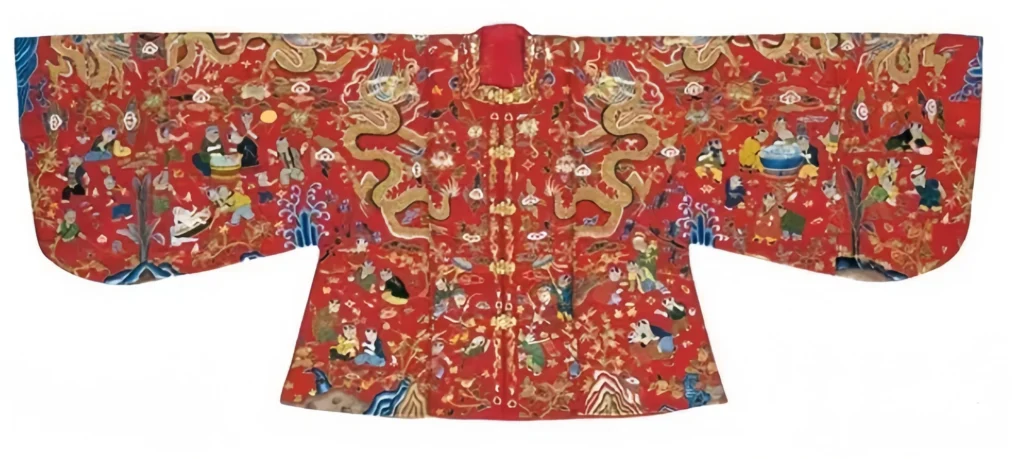
In the Ming Dynasty, the clothing worn by imperial consorts can generally be divided into auspicious garments (jifu) and casual wear (bianfu). Ming consort clothing…
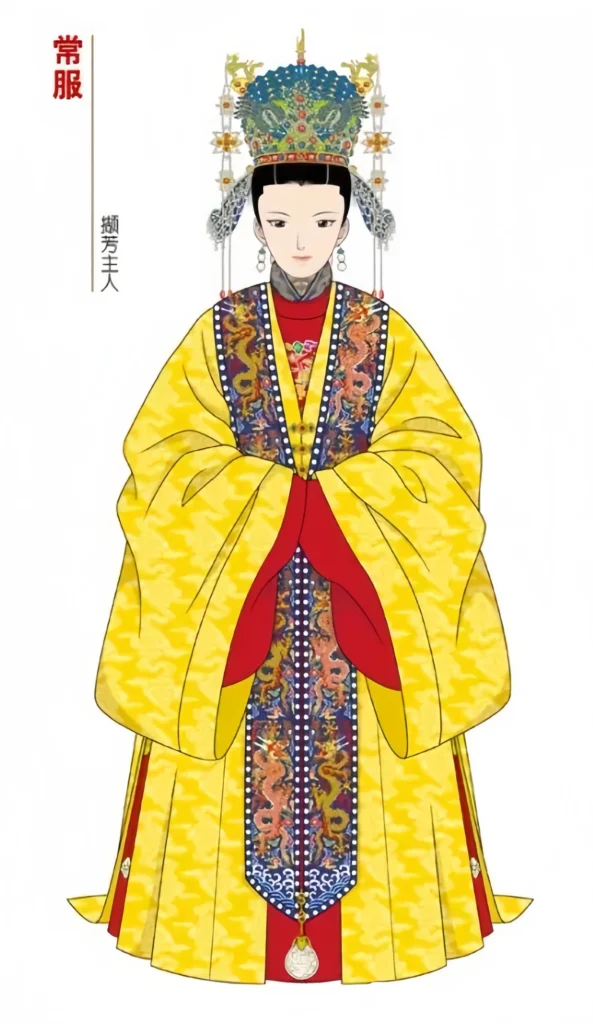
The Ming empress daily attire was also known as Yanji Crown Attire, featuring the iconic Ming phoenix crown. In function, it ranked just below formal…
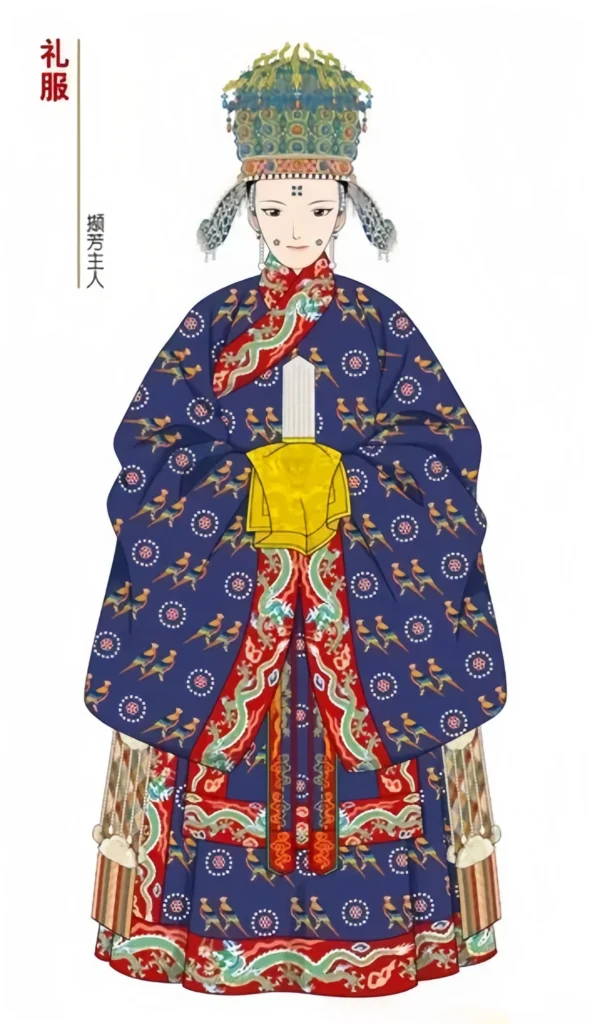
Ming Empress Ritual Robes Ming empress ritual robes were the formal garments worn by Ming Dynasty empresses during major ceremonies such as investitures, ancestral rites,…
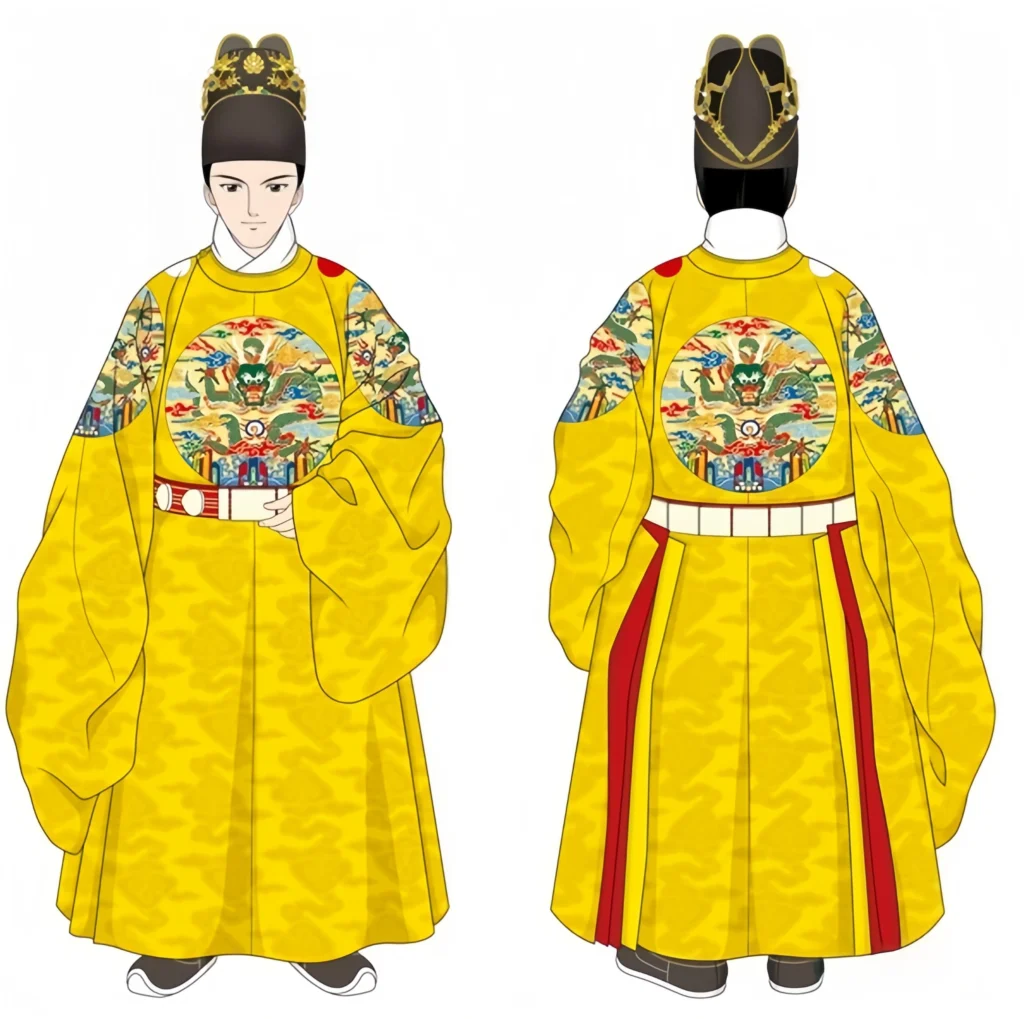
Type of Ming emperor daily robes Ming emperor daily robes Ming emperor daily robes were the most frequently worn garments in the Ming dynasty. They…
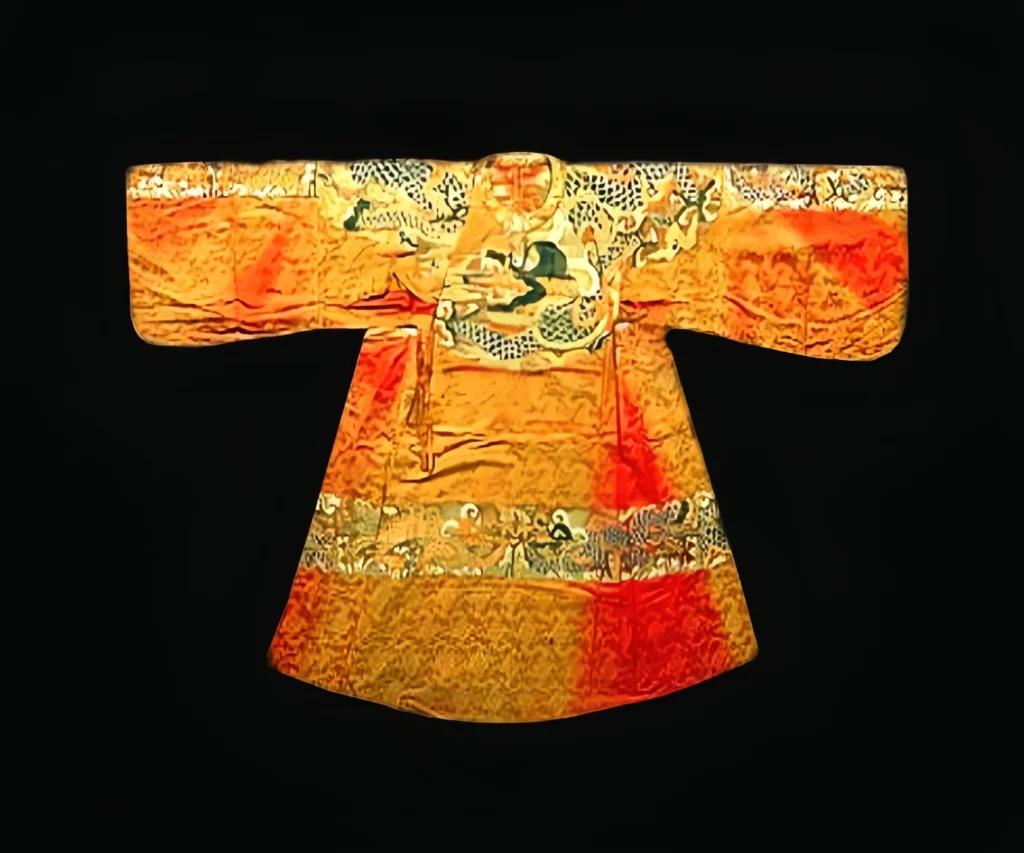
Type of Ming Bestowed Robes (Ming dynasty clothing at its most exclusive) The decorative patterns on these Ming bestowed robes are similar to the emperor’s…
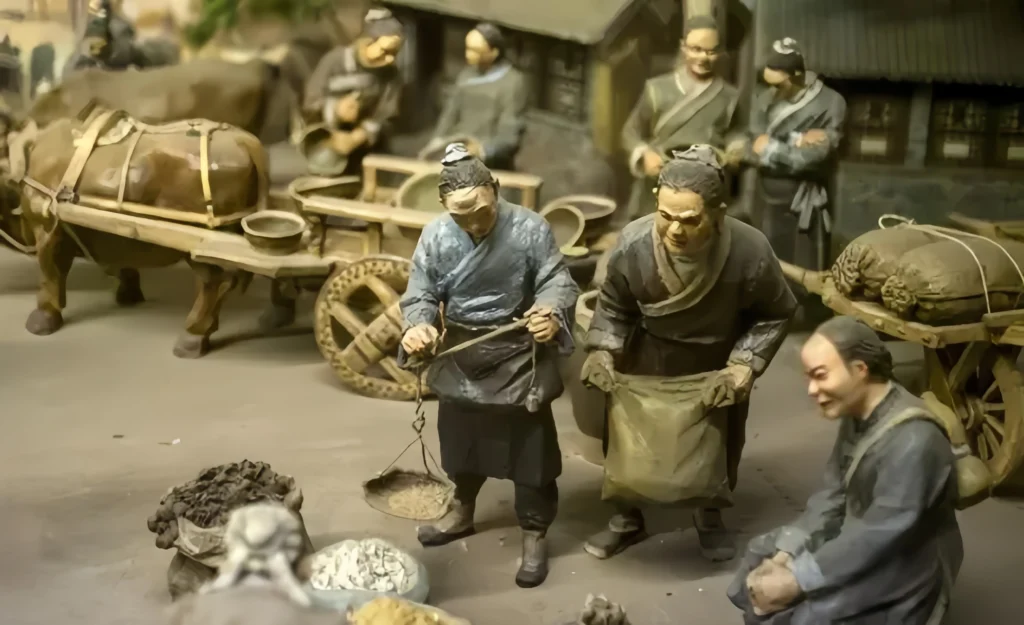
Hanfu He Yi 褐衣 In ancient China, there was a simple and rough ru (襦) or ao (袄) made from animal hair or coarse hemp,…
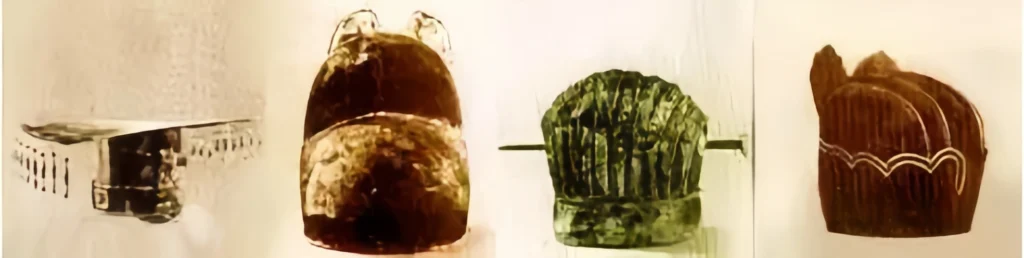
Ming Dynasty Hairstyles After the Ming Dynasty was founded, the new rulers paid great attention to restoring traditional rites and dress codes. They abandoned the…
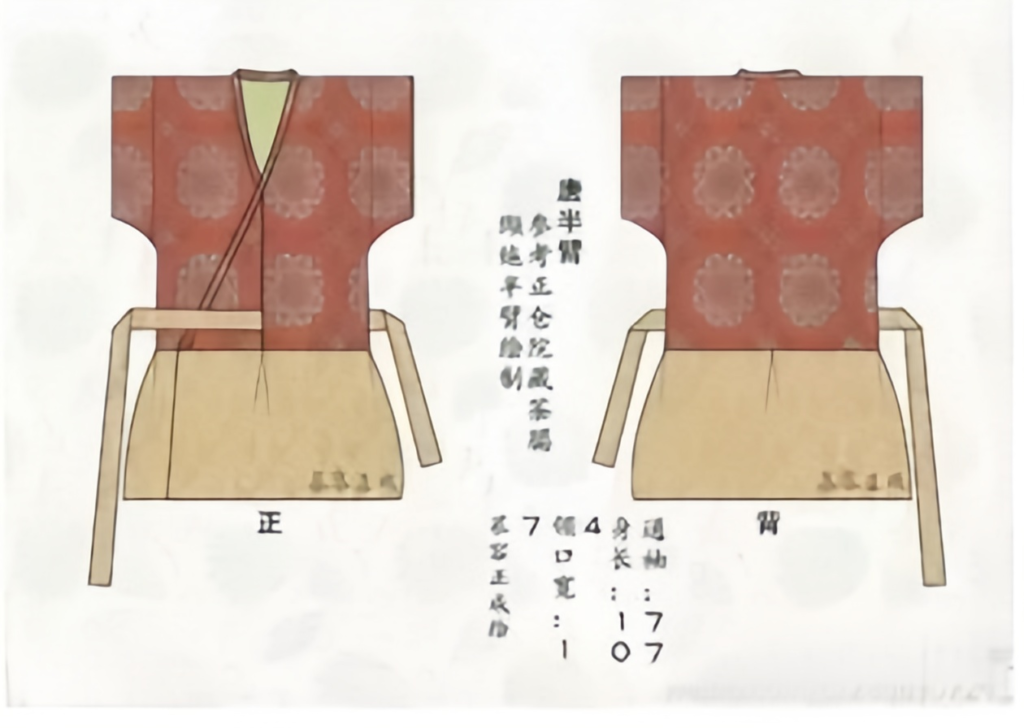
Hanfu banbi The Hanfu banbi, as its name suggests, refers to a half-sleeved garment that evolved from the upper ru. Its sleeves usually reach between…
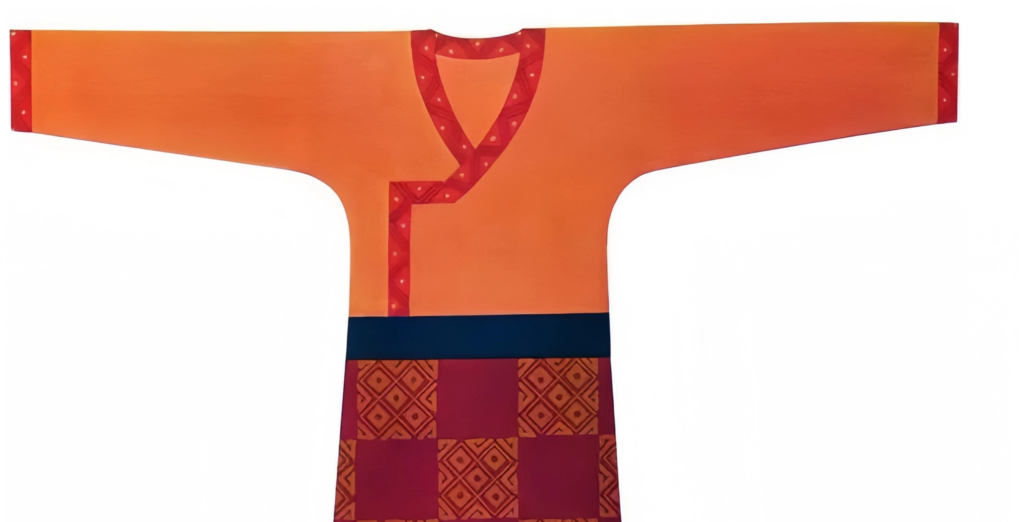
What Is Hanfu Ruqun? The Classic Top + Skirt Combo The Hanfu ruqun is the upper garment in the traditional “upper garment and lower skirt”…
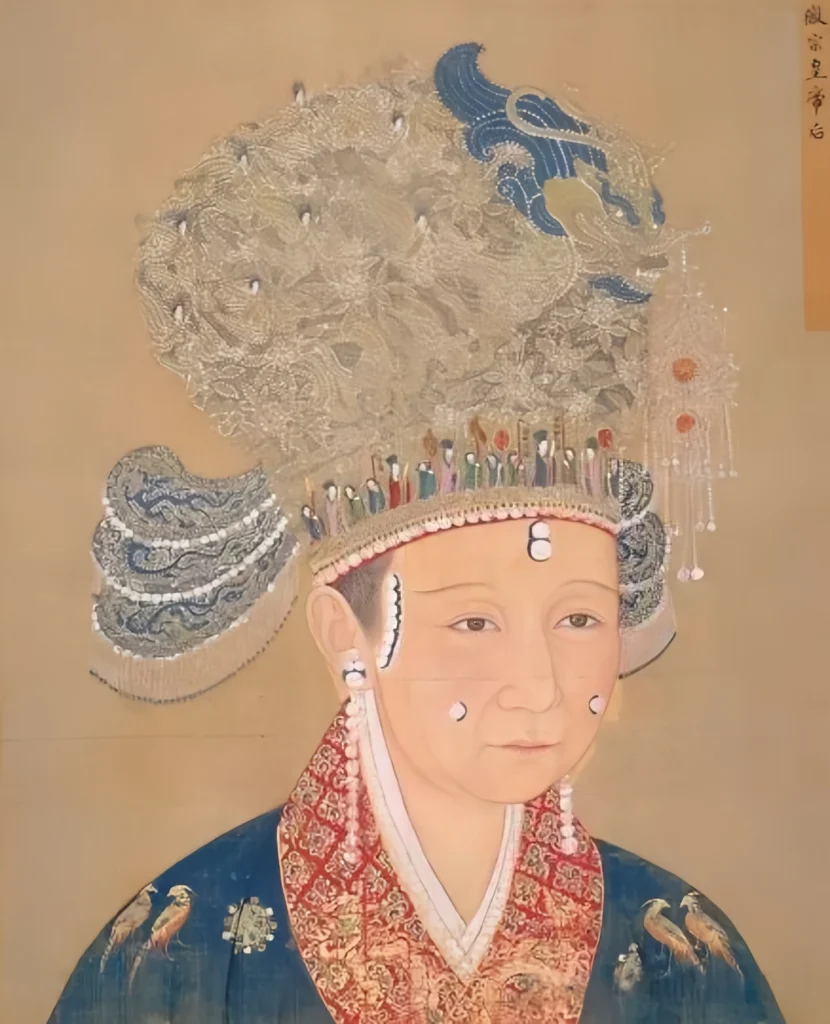
Ancient Chinese women wore a vast array of jewelry, and hair ornaments were particularly diverse and elaborate, including hairpins, decorative pins, crowns, floral appliqués, and…
Please confirm you want to block this member.
You will no longer be able to:
Please note: This action will also remove this member from your connections and send a report to the site admin. Please allow a few minutes for this process to complete.