How to Wear Hanfu: How to Put on a Quju Robe

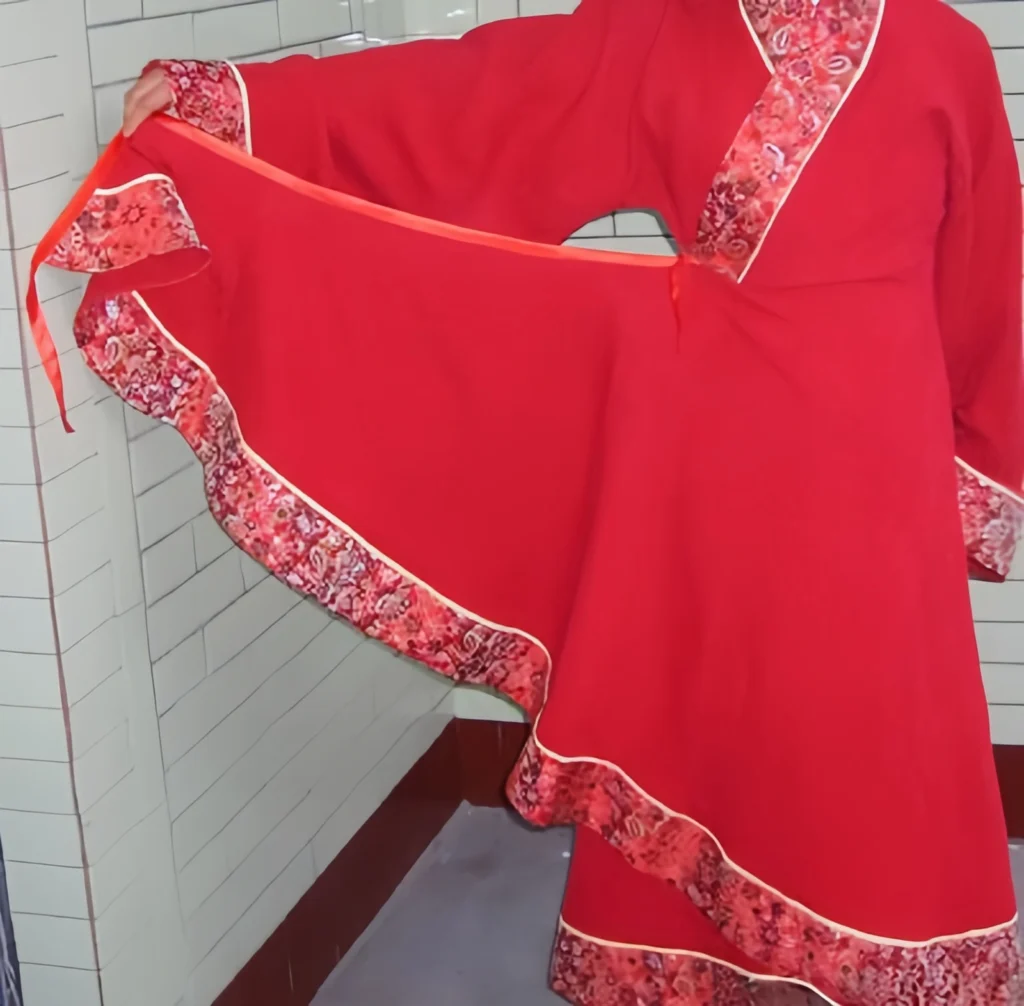
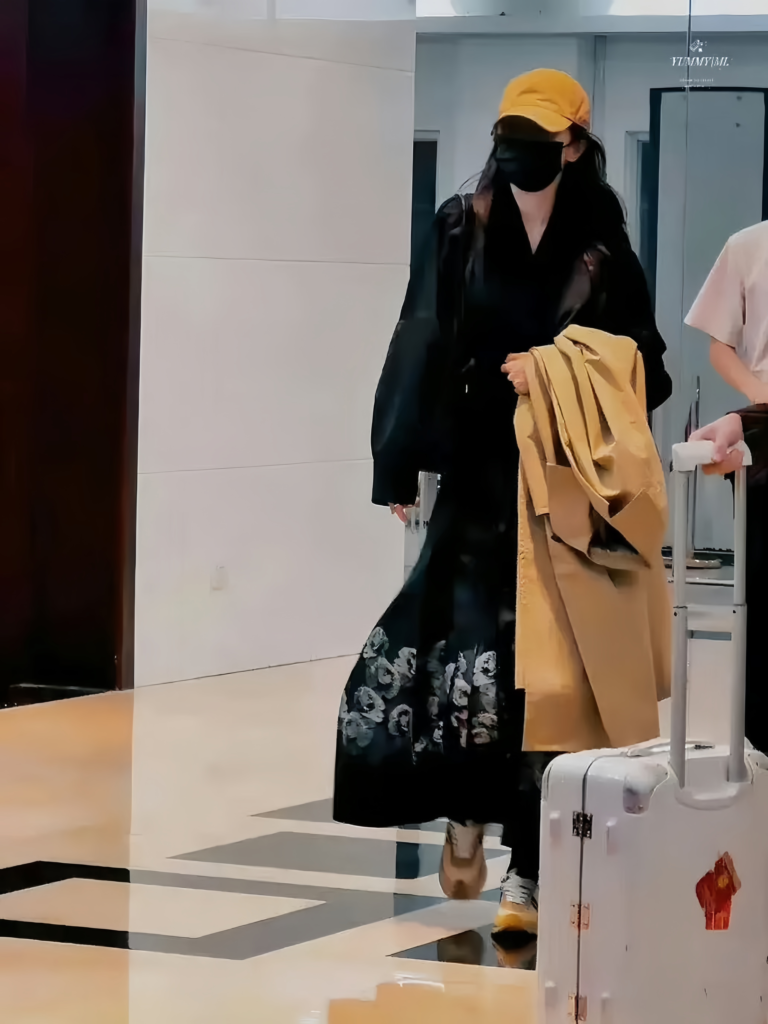
For thousands of years, the overall style of Han Chinese clothing has been clean, understated, and natural. Ancient Han robes best represent this aesthetic. Their main features are wide sleeves, loose robes, and flowing belts. The structure itself may seem simple, but once worn, the same robe looks completely different on each person, showing unique charm and spirit. This flexibility is one of its greatest strengths.
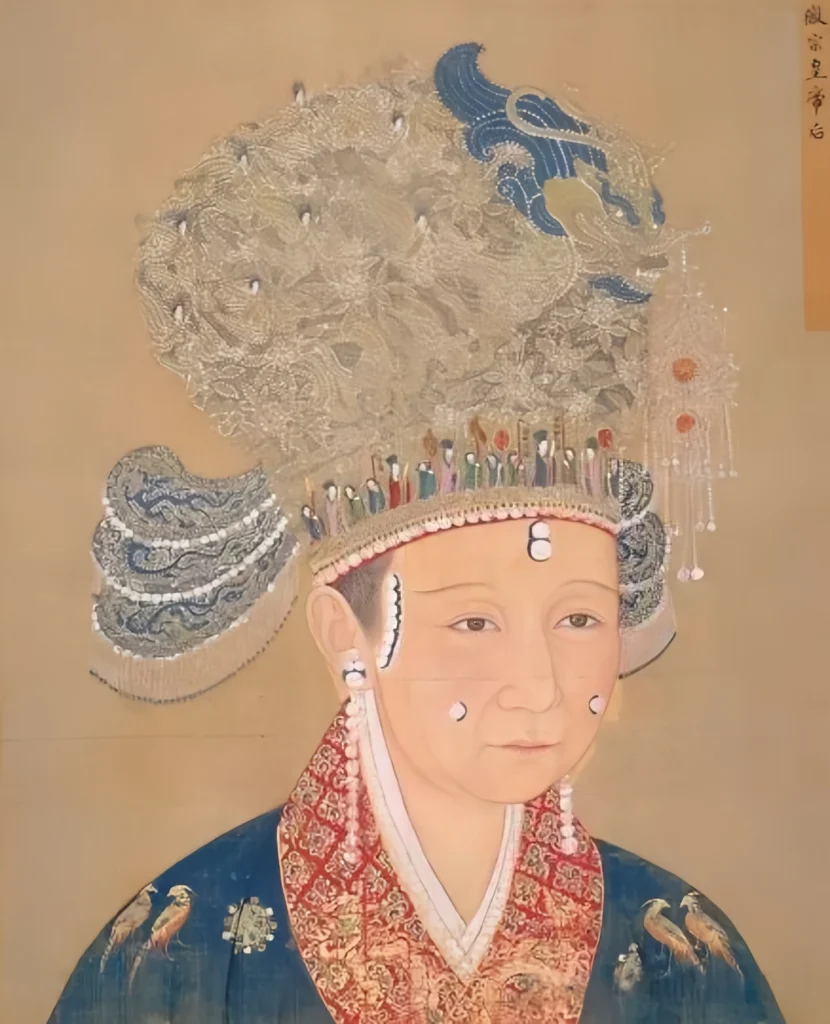
Today, we can no longer see all the original variations of these garments, but we can still catch a glimpse of their beauty through Han dynasty silk paintings and figure paintings from the Wei, Jin, Sui, and Tang periods. When these simply structured Han robes are worn by people with different body shapes, they suddenly come alive—soft lines, smooth flow, and a vivid sense of movement that sparks the imagination. Their plain and natural appearance actually enhances a quiet elegance. Han robes fully reflect the gentle, calm, and graceful character of the Han people, along with an aesthetic that values simplicity, subtlety, refinement, and freshness.
Below, let’s learn how to wear Hanfu (using the Quju as an example).
1. How to Wear the Inner Garment and Skirt
Inner garment (the upper ru of a ruqun follows the same method):
Put on the garment first. Tie the two straps on the left side, then tie the two straps on the right side.
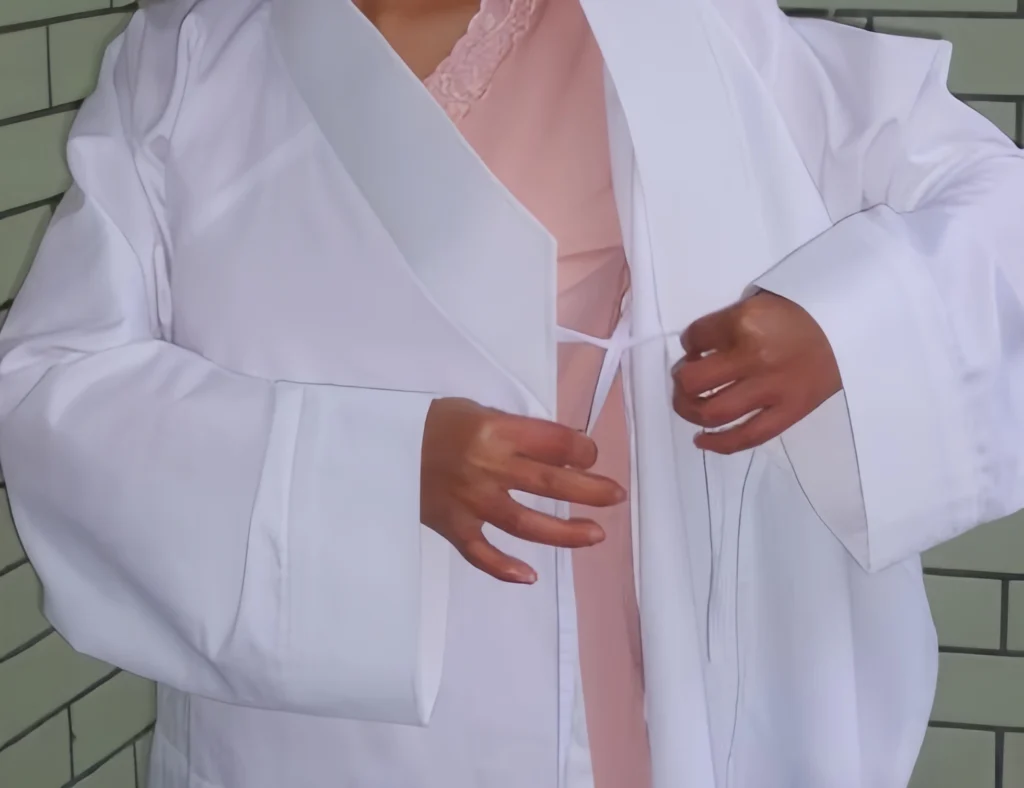
2. Tie the Inner Layer First, Then the Outer Layer
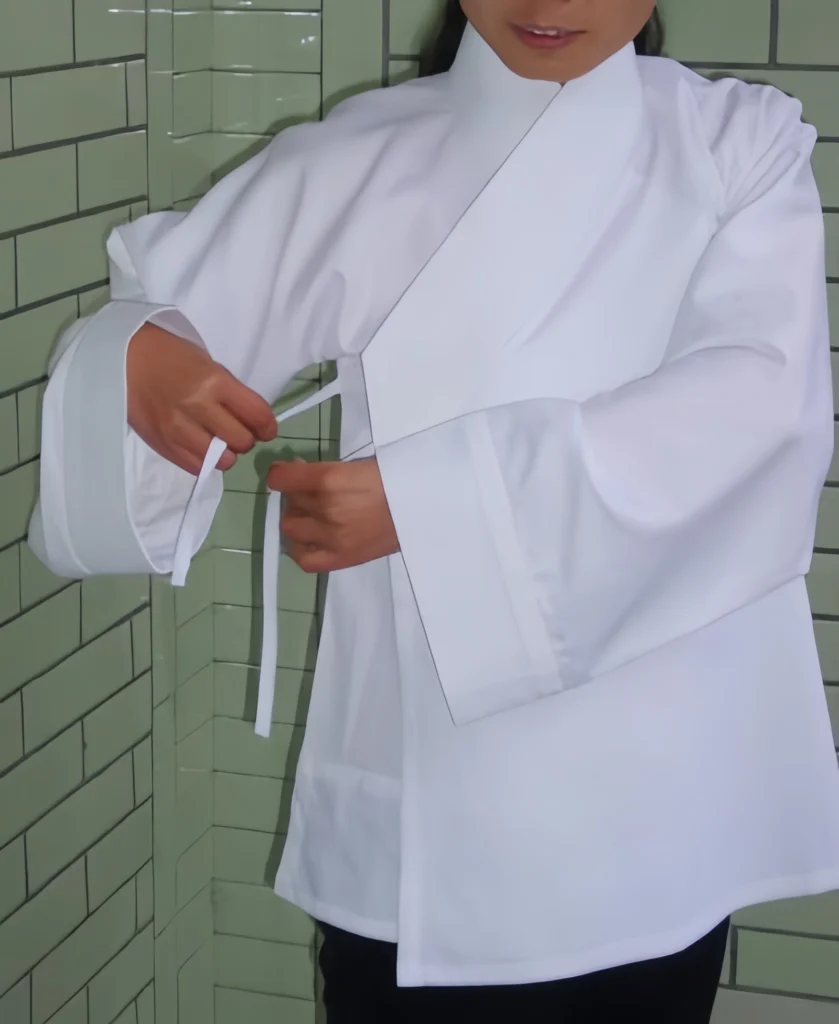
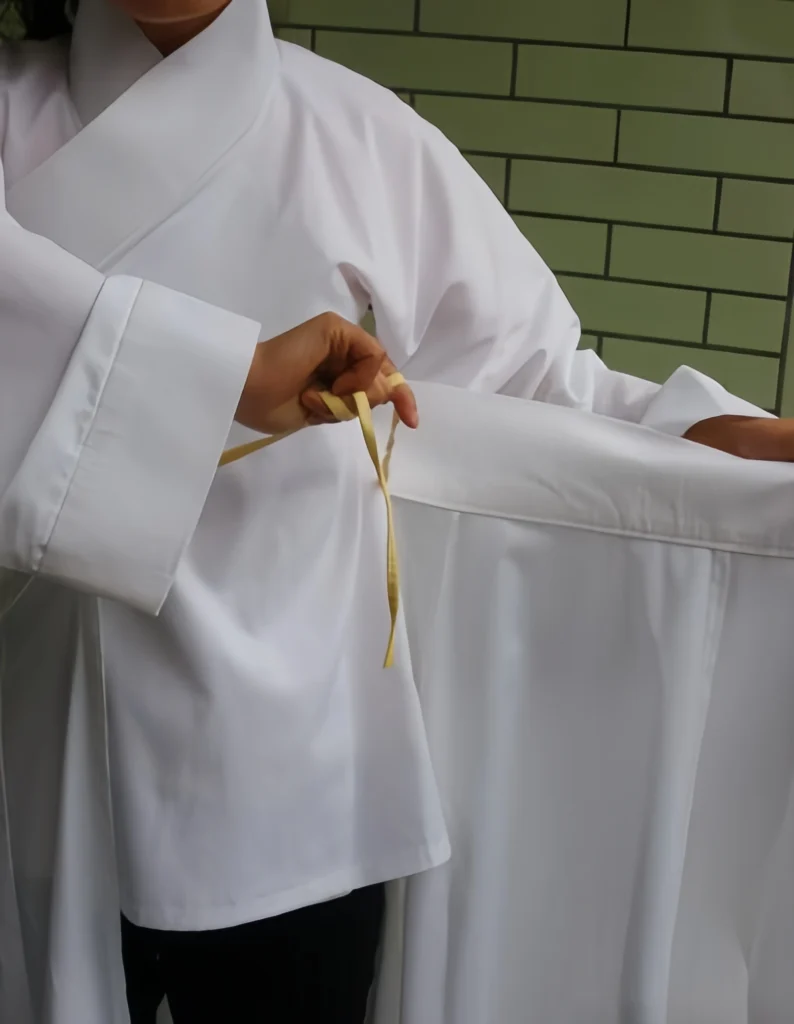
3. How to Wear the Lower Skirt
This is basically the same as the top. First, tie the left-side straps, then wrap the skirt around your body and tie the outer straps.
(Some skirts may not have inner ties.)
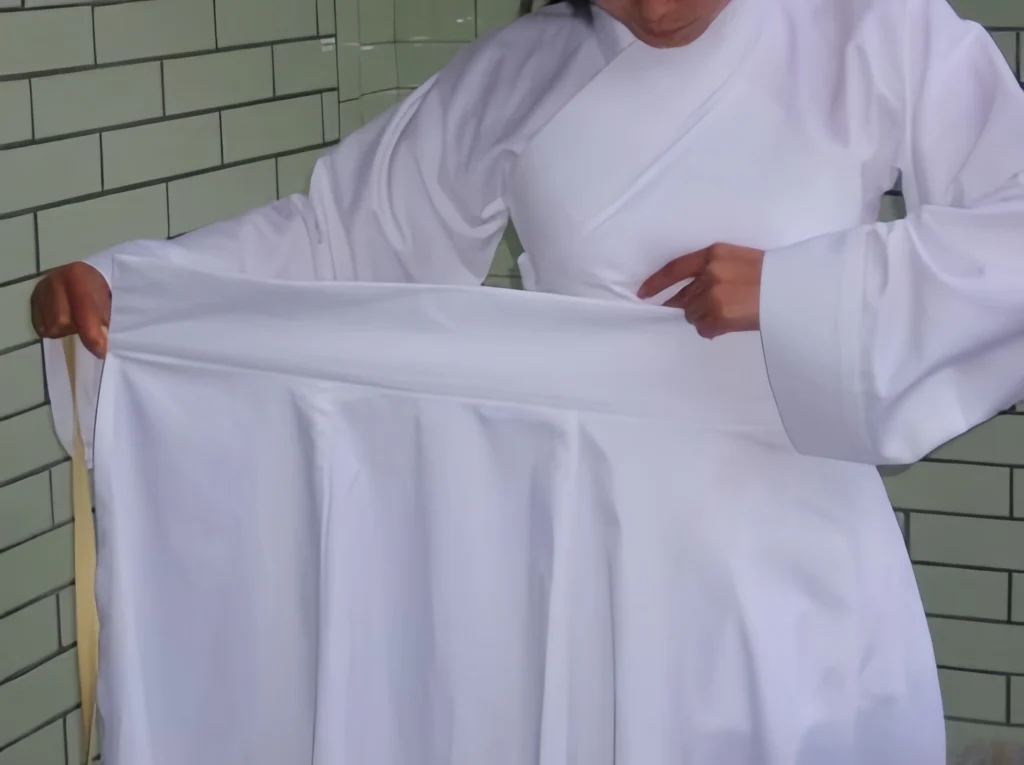
4. Continue Wrapping
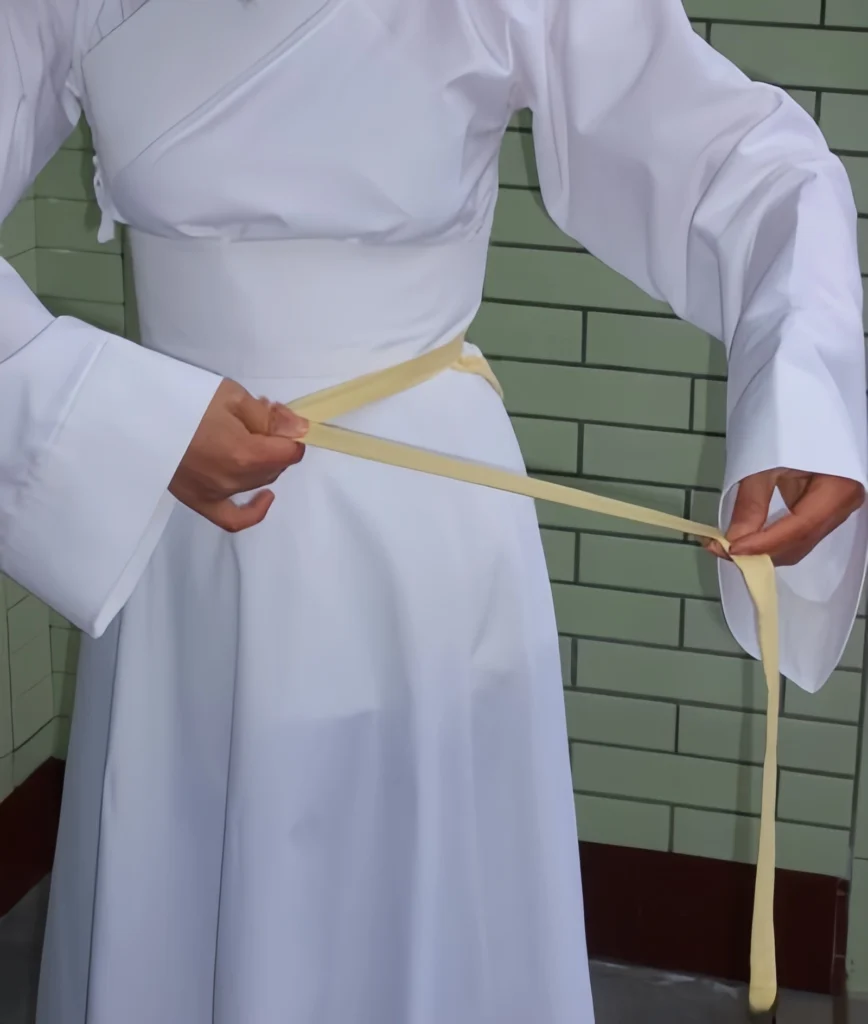
5. Tie Again
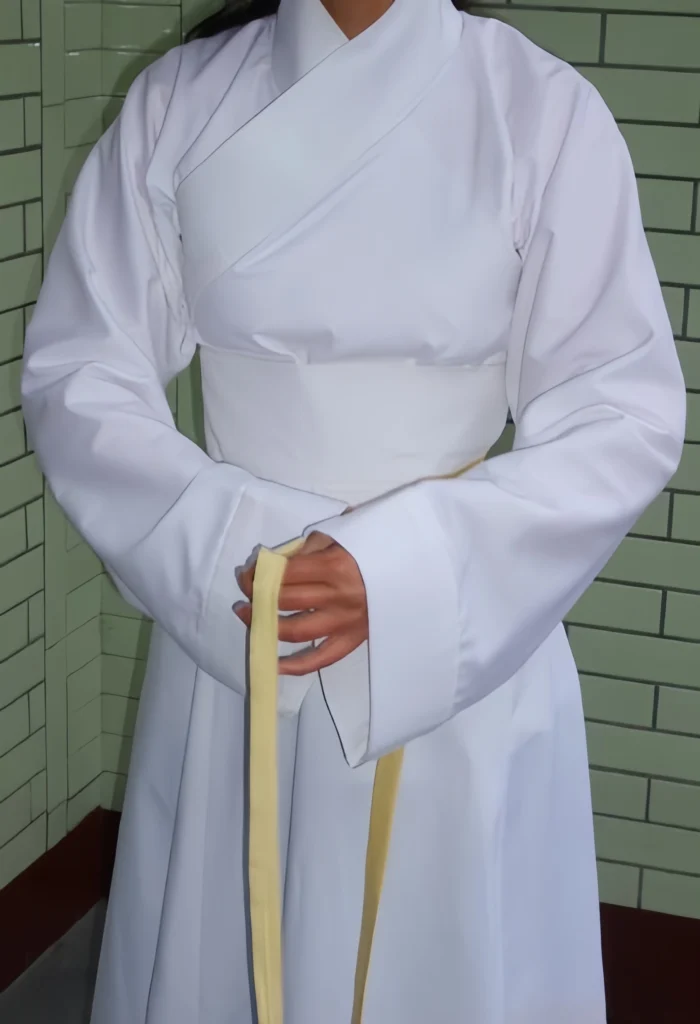
6. Step One Completed
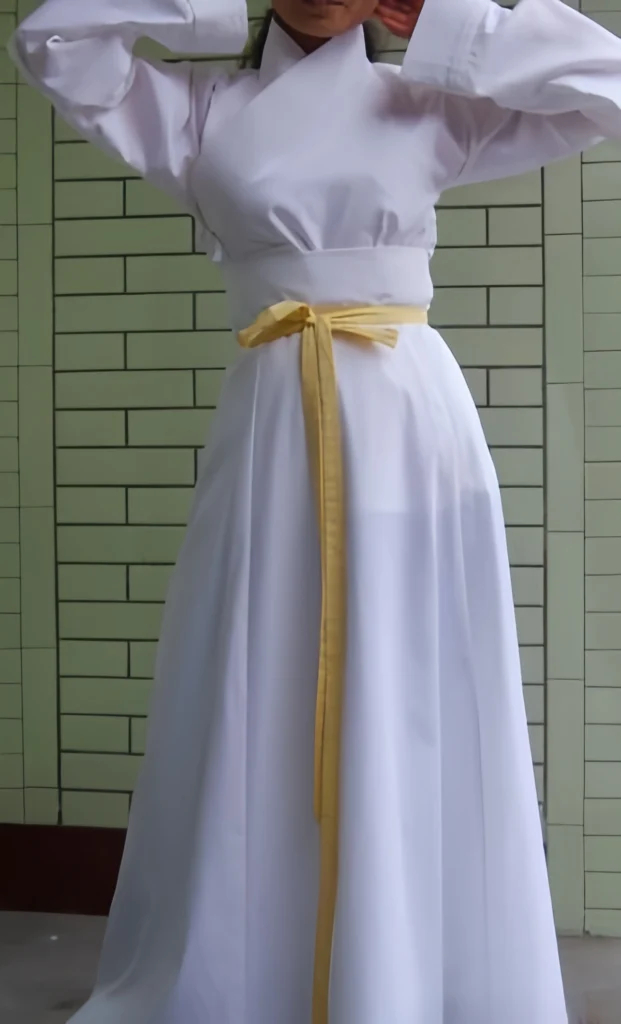
7. Putting on the Quju
After the inner garment and skirt are properly worn, start putting on the outer Quju robe.
Slip it on, just like the inner garment. First, tie the left-side straps. Then wrap the long skirt panel around your waist, secure the final strap, and finally fasten the waist sash. Done!
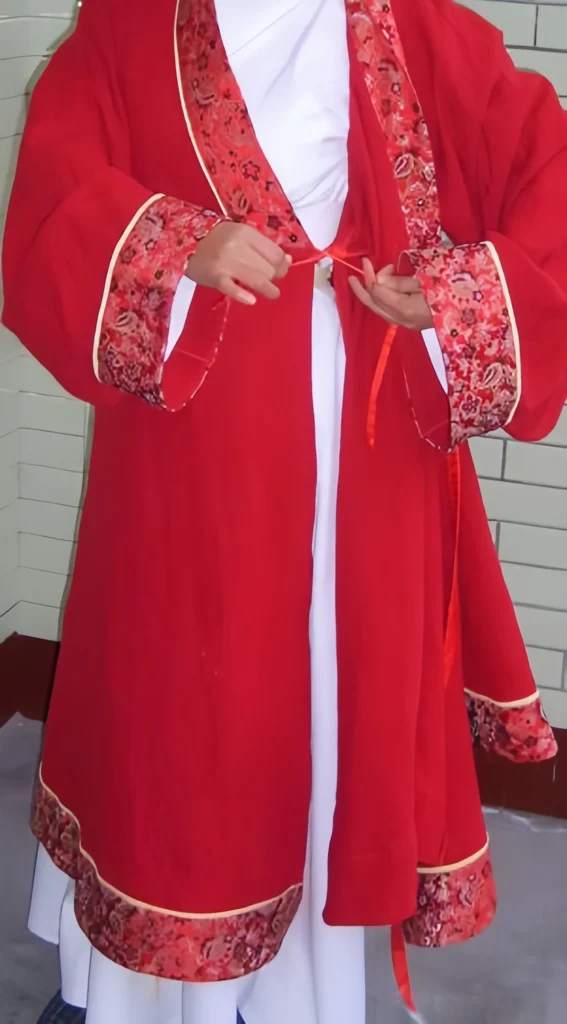
8. Start Wrapping
9. Wrap Again
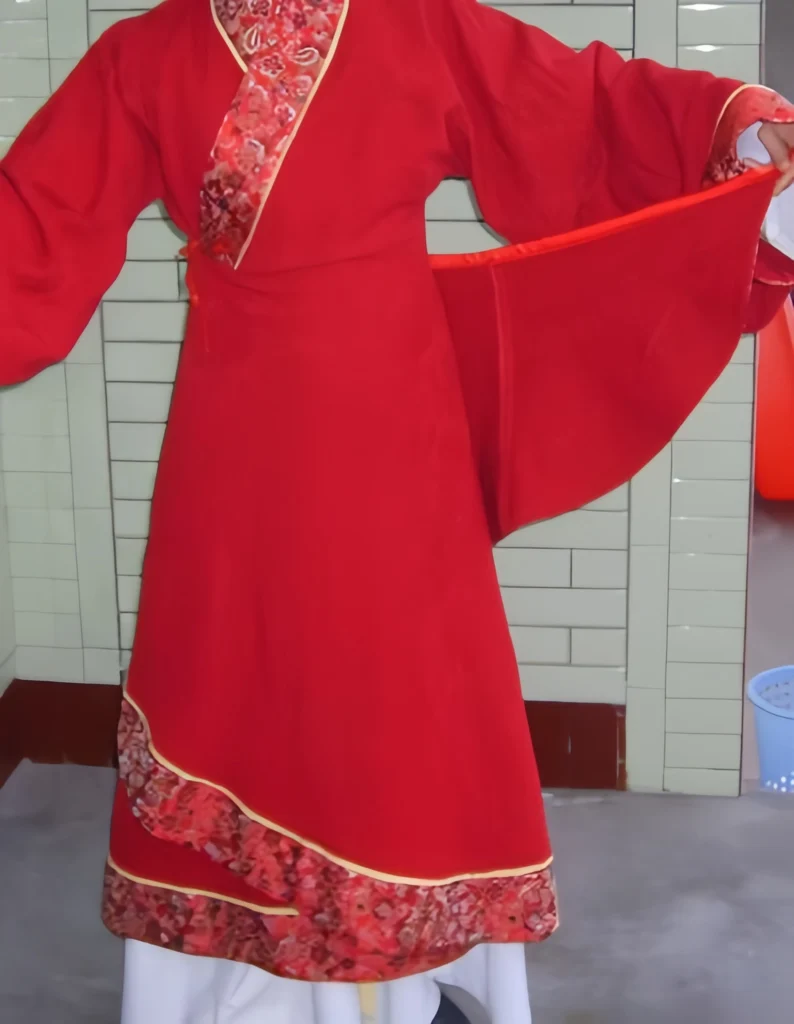
10. Tied Securely
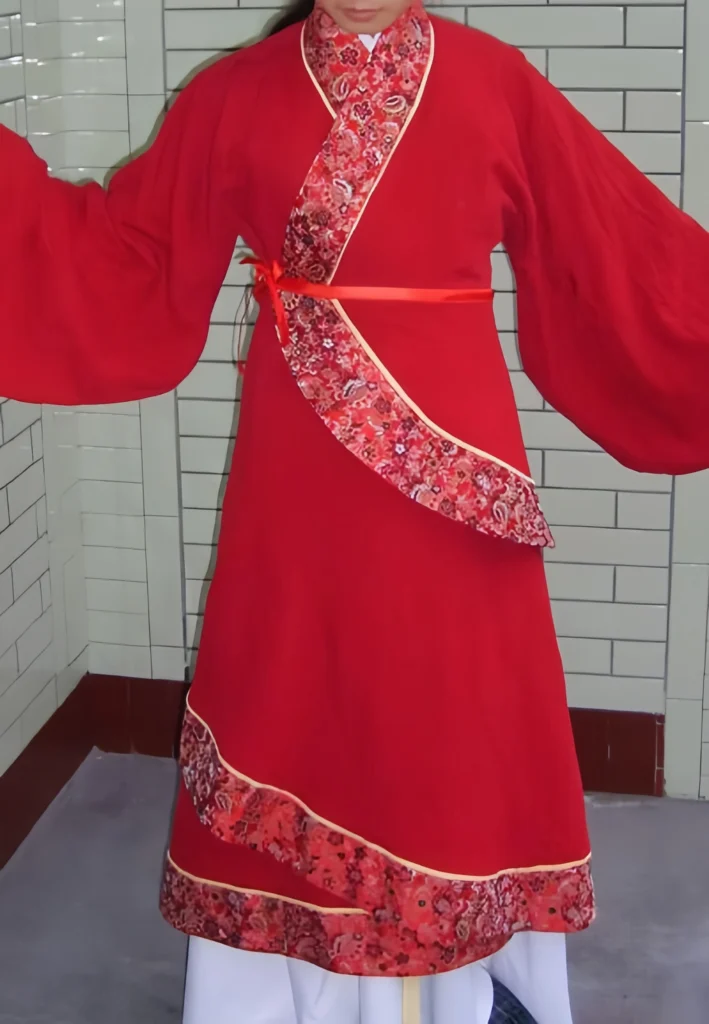
11. Add the Wide Belt (Bo Dai)
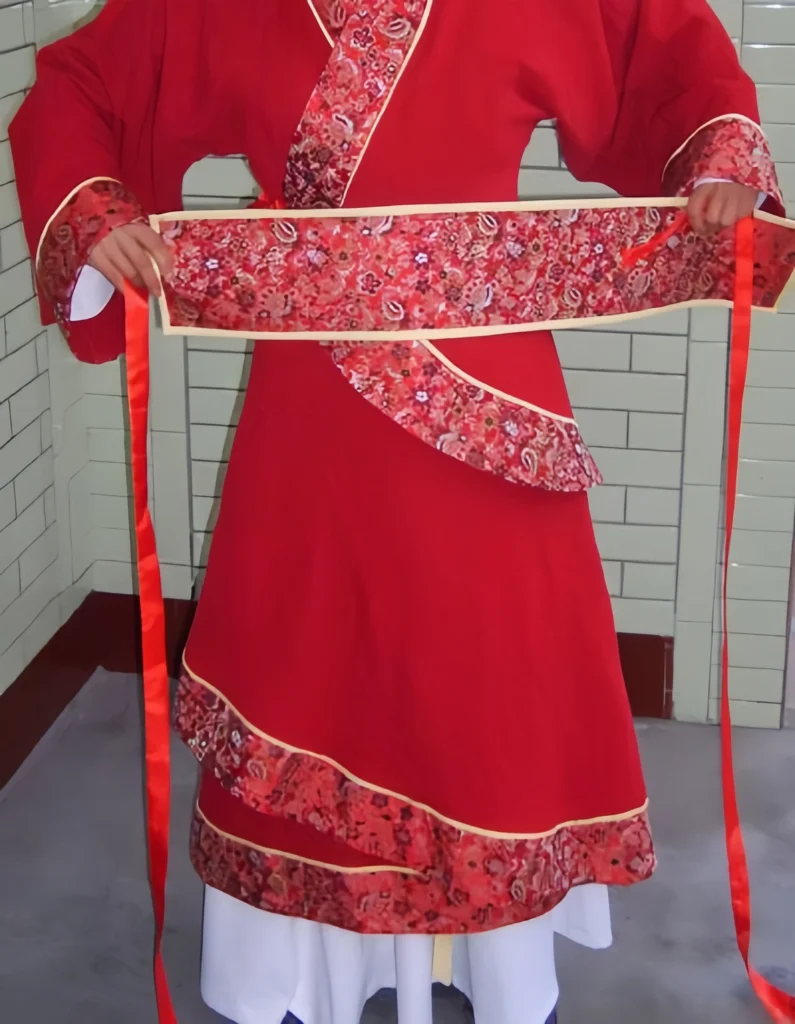
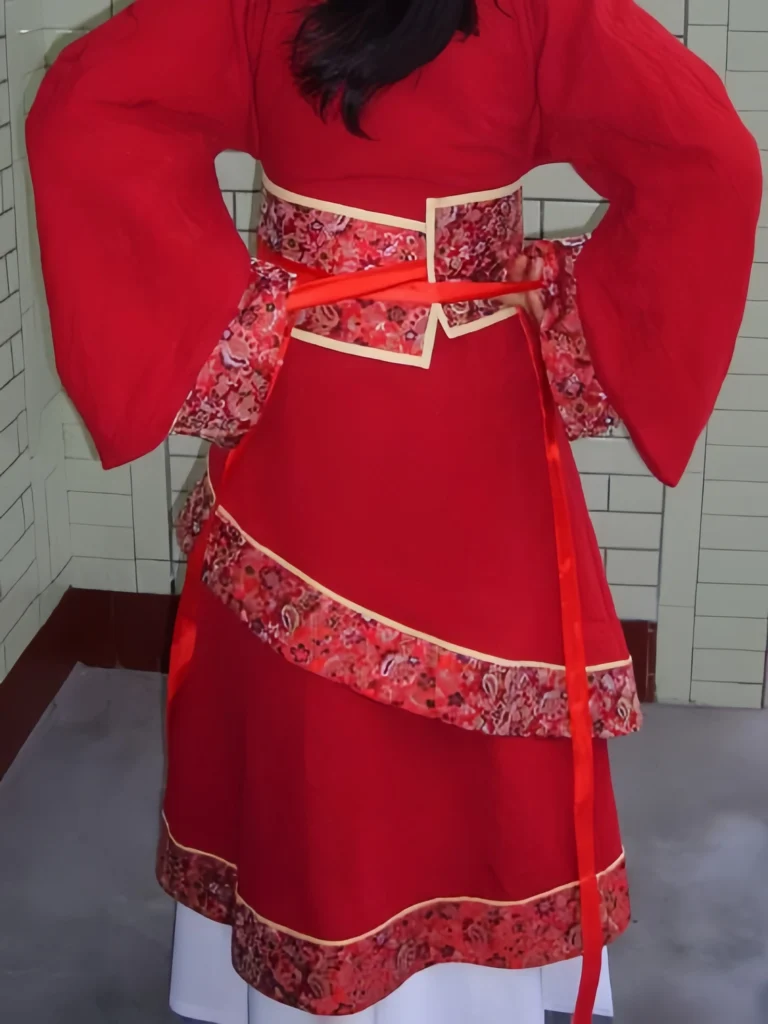
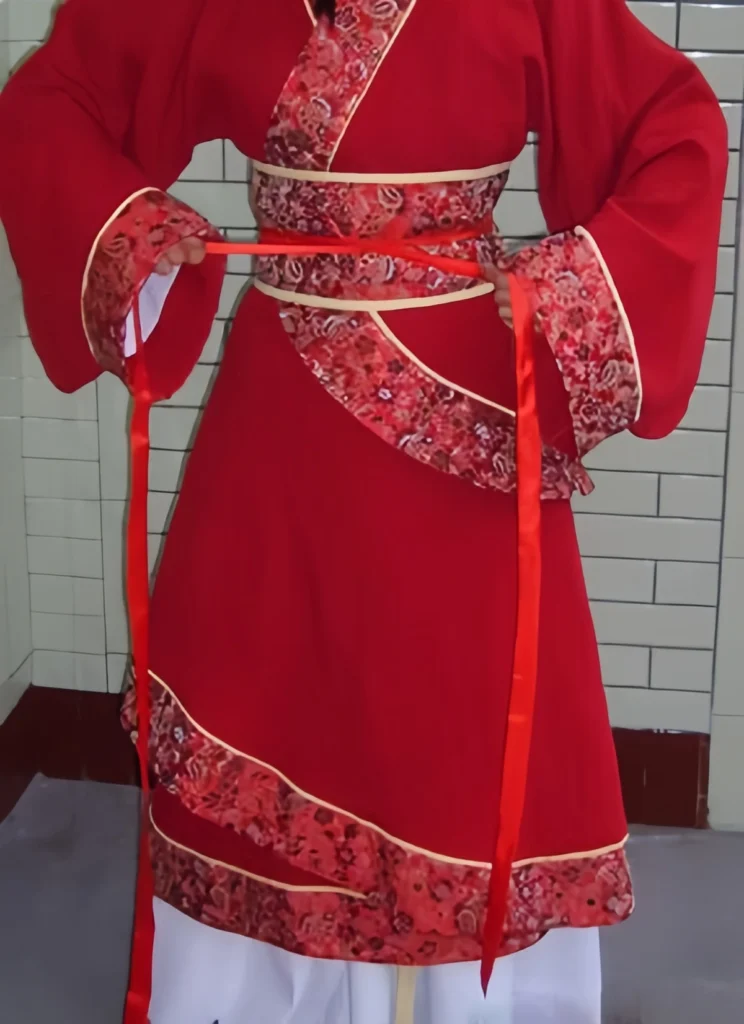
12. Finished
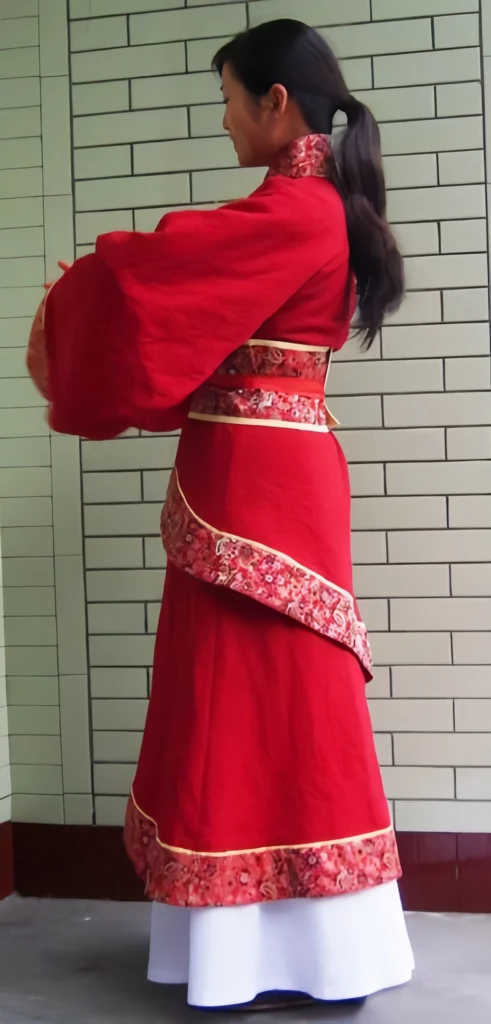
If you’d like to learn more about how Hanfu is worn and styled across different historical periods, you can also read this Hanfu styling and wearing guide, which offers a clearer understanding of how garments and hairstyles work together.


Responses