How Did Ancient People Clean Silk Clothes Before Dry Cleaning Took Off?


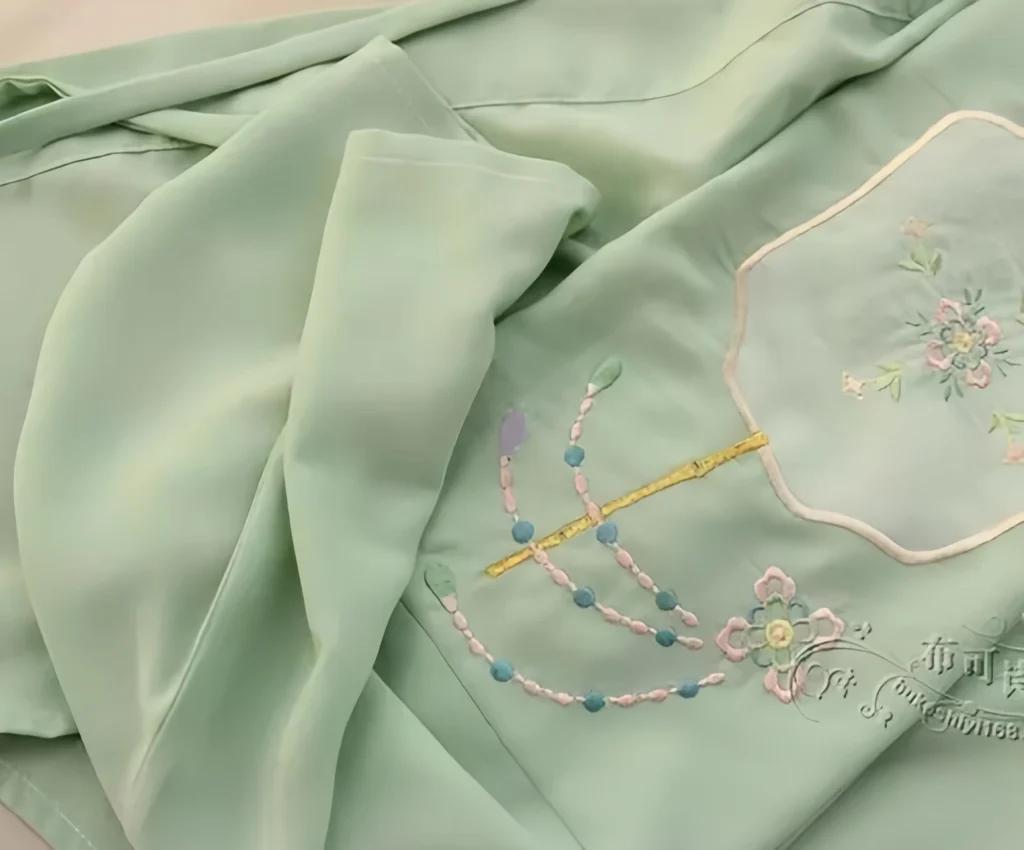
When modern folks wear Hanfu, they probably grab non-silk options the most. Why? True silk clothes often mean a dry-cleaning headache. So here’s the question: back in the day, our ancestors—especially the elite—wore outfits made from precious fabrics. Sure, maids handled the washing, but I’m still super curious—how did ancient people clean silk clothes without dry cleaning around?
Surprisingly, it turns out ancient folks, especially the wealthy who could afford high-end fabrics, barely washed their clothes at all! Instead, they relied on a mix of habits, environment, and special handling methods to keep their wardrobes in good shape. Understanding how did ancient people clean silk clothes also gives us a window into daily life, fashion, and social culture in ancient China.

► Clothes Stayed Clean, Worn Briefly
For big occasions like parties or banquets, nobles switched outfits like clockwork. A set for guests at home, another for meals, one for outings, and another for chilling—change as often as you like! Even a tiny stain or a new task meant a new outfit tailored for it. This shows how ancient silk clothing care often relied more on constant wardrobe rotation than on frequent washing.
It was also a cultural practice: wearing fresh garments symbolized wealth, respectability, and attention to ritual. For nobles, the appearance of silk mattered just as much as its cleanliness. Knowing how did ancient people clean silk clothes highlights that “clean” often meant “frequently changed” rather than “washed.”
► Too Scary to Wash, Can’t Risk Ruining It
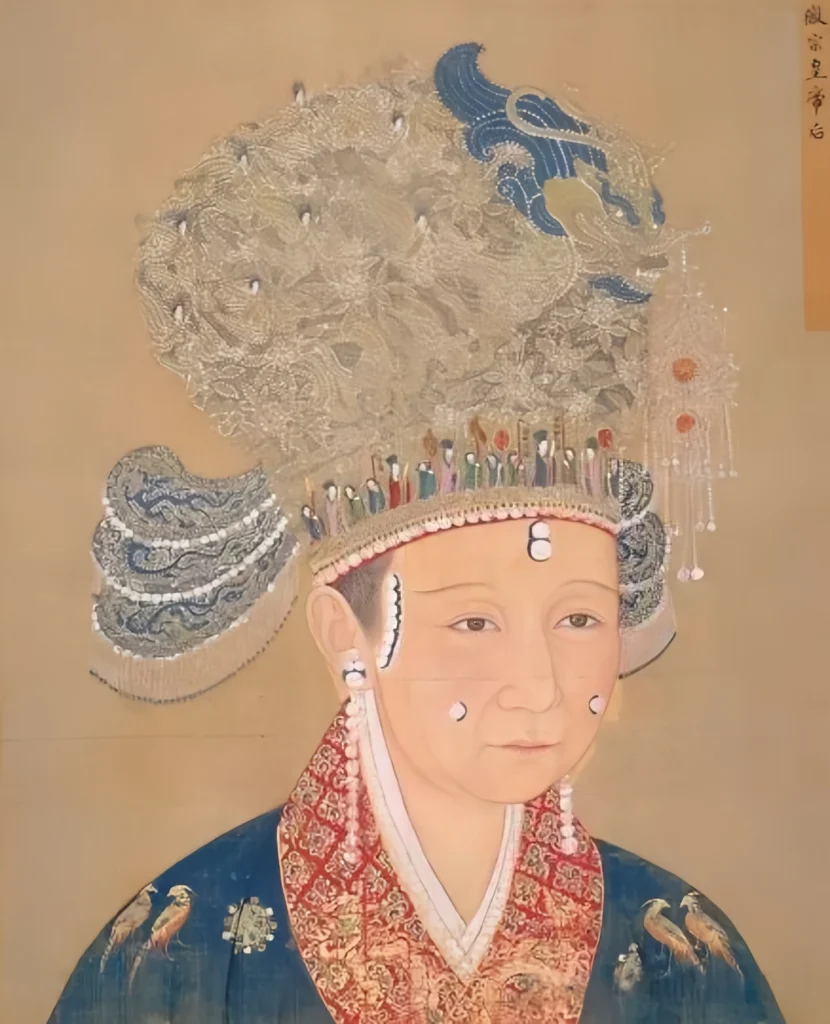
True silk was reserved for emperors, concubines, and top-tier nobles. Some even wore silk as everyday gear. Men traveled by sedan or carriage, women never lifted a finger—meaning their clothes hardly got dirty.
Maids might just dust them off with soft brushes or dab them with damp, high-quality fabric scraps. The next day, they’d be back in rotation, or aired indoors for a couple of days before reuse. It wasn’t laziness—silk was fragile, dyes could bleed, and embroidery might unravel. A ruined piece meant disaster, especially for garments with symbolic or political meaning.
This cautious approach to silk fabric maintenance in history shows that protection was often more important than cleaning itself. In many cases, a garment’s lifespan was extended by simply avoiding dirt in the first place. To understand how did ancient people clean silk clothes, it’s important to realize that prevention mattered far more than washing.

► Ceremonial Clothes Barely Washed, Often Worn Once
Take an emperor’s coronation robe or a queen’s enthronement dress—those barely saw water. Even if passed to someone else, they’d only be worn for an hour or two. Post-ceremony, they’d switch to fresh outfits. Plus, materials like Chinese gold-silver kesi were stain-resistant, so these pieces stayed pristine for rituals with little chance of mess.
Such traditional Hanfu washing methods focused on preservation. Instead of cleaning after use, garments were carefully stored in scented chests with herbs like camphor or agarwood to ward off insects and maintain freshness. Silk robes weren’t everyday clothes—they were cultural symbols, often treated almost like works of art. Records of traditional Hanfu washing methods show that ancient people saw garments as cultural heritage as much as fashion.

► Rumor Has It: Nobles Avoided Washed Clothes
If a ceremonial outfit got stained or torn, they’d toss it and make a new one. Back then, manual labor was cheap, especially for the elite, and textile workshops were ready to reproduce designs. For the most valuable garments, replacement was easier and safer than risking damage from washing.

Tang Wenzong once told his ministers, “This robe’s been washed three times already,” showing his simplicity. His remark implied that washing silk was rare enough to be worth mentioning.
So, if it got dirty and a noble was thrifty, they might wash it—using plain water plus gentle, eco-friendly natural cleaners like rice water, bean powder, or plant ash solutions. Not a full wash, though—just a light spot clean, then ironed flat with a warm bronze tool. This might cause some wrinkling, but for flat-cut Hanfu (not 3D tailoring), it wouldn’t mess up the fit. Such details about ancient Chinese clothing cleaning reveal the ingenuity people used to balance cleanliness with fabric preservation. Understanding ancient Chinese clothing cleaning also helps us appreciate the continuity between ancient practices and modern textile care.
► A Tradition of Care, Not Just Washing
It’s worth noting that ancient wardrobes often included cedar boxes, silk wrappings, and herbal sachets. These weren’t just for fragrance but for pest control, moisture balance, and fabric protection. In a sense, “cleaning” in the modern sense mattered less than maintaining the garment’s beauty and symbolic function.
That’s why how did ancient people clean silk clothes isn’t just a question of soap and water—it’s about cultural values, preservation, and careful daily habits.

Today, the old “palace swallows” have flown into everyday homes. True silk is more common now, but we still cherish it. So, if you snag a silk piece, you can wash it at home—just be gentle! Whether hand-washed with mild detergent or sent to dry cleaning, the goal remains the same: to preserve silk’s elegance for as long as possible.



Responses