Hanfu: The Brown Wool or Hemp Garment (He Yi)

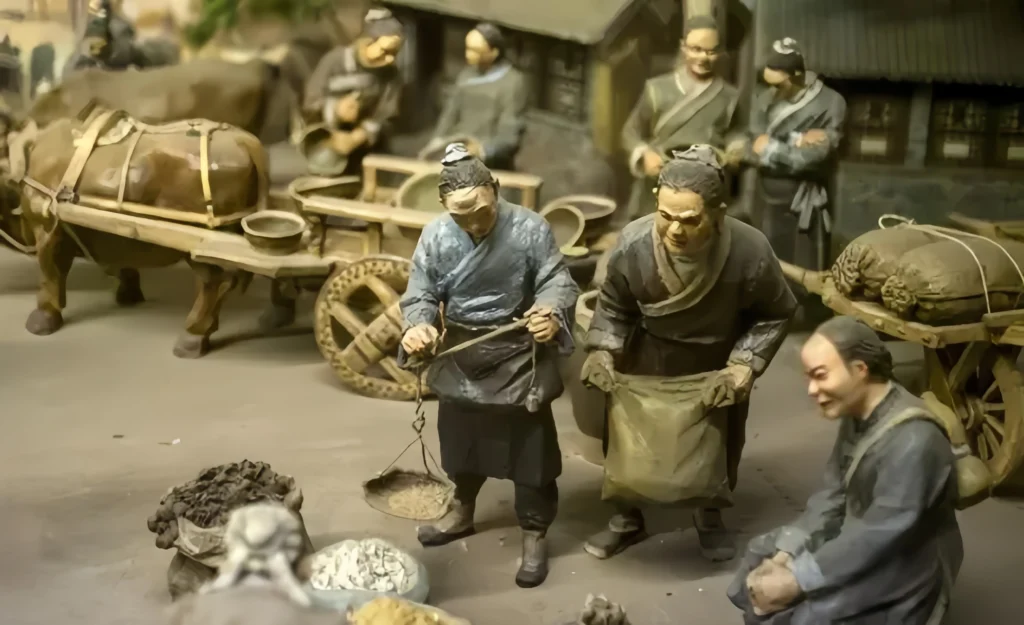
Hanfu He Yi 褐衣
In ancient China, there was a simple and rough ru (襦) or ao (袄) made from animal hair or coarse hemp, usually worn by poorer people as everyday Hanfu and valued mainly for warmth. This is the classic Hanfu he yi.
The Book of Songs · Bin Feng · July says: “Without clothes, without a coarse brown garment, how can one get through the year?” Zheng Xuan explained: “He (褐) refers to a woolen cloth,” highlighting its basic and practical nature at the time. In the Han Dynasty, Jia Yi wrote in Guo Qin Lun: “Now that the second emperor of Qin rules, everyone looks up to observe his governance. For the cold, a short brown garment is precious; for the hungry, even coarse grain tastes sweet.”
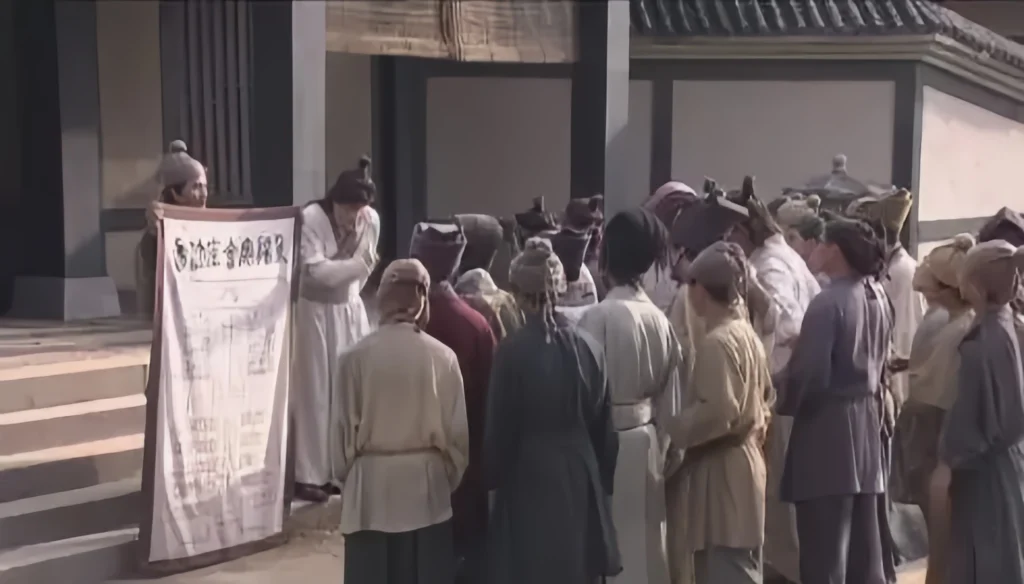
During the Sui and Tang dynasties, the brown garment (褐衣), known as Hanfu he yi, was common clothing for ordinary people, made of hemp or woven animal hair, and appreciated for being durable and easy to produce. At this time, the length of the garment varied, and it was also worn by recluses who preferred a modest lifestyle and simple, unembellished clothing.
In the Old Book of Tang · Annals of Emperor Dezong, there is a story: “In the fourth year of Zhenguan… the recluse Yang Cheng from Xiashi County was summoned to court. He arrived wearing a brown Hanfu he yi. The emperor later granted him official attire before receiving him formally.” This shows that Yang Cheng first appeared before the emperor dressed in a brown Hanfu, emphasizing its association with scholars and hermits who valued humility over status, and only afterward received official robes.
This period also had a type of garment called cui he (毳褐). Cui refers to the soft, fine hair on a monk’s robe, giving it a lighter, almost airy texture.
According to Yin Hua Lu: “A court official visited a friend and saw a monk in patched robes sitting there. Later he said, ‘You enjoy the company of men in soft brown robes, but I find the smell bothersome.’ His friend replied, ‘The smell of a brown robe—how is it worse than the smell of rich official robes? To me, the brown robe feels far purer than scarlet and purple court attire.’” From this story, we can see that “cui he” refers to garments worn by monks, usually woven from fine animal hair and associated with humility, moral clarity, and detachment from luxury.
In the late Tang, layman Pei Xiu often wore patched wool robes, held a begging bowl in courtesan houses, and said he was untouched by worldly desires and could speak Dharma for people. For those who respected Zen monks, the simple, natural garments of monks were considered far more noble than the bright red and purple robes of officials, as they represented sincerity rather than status.
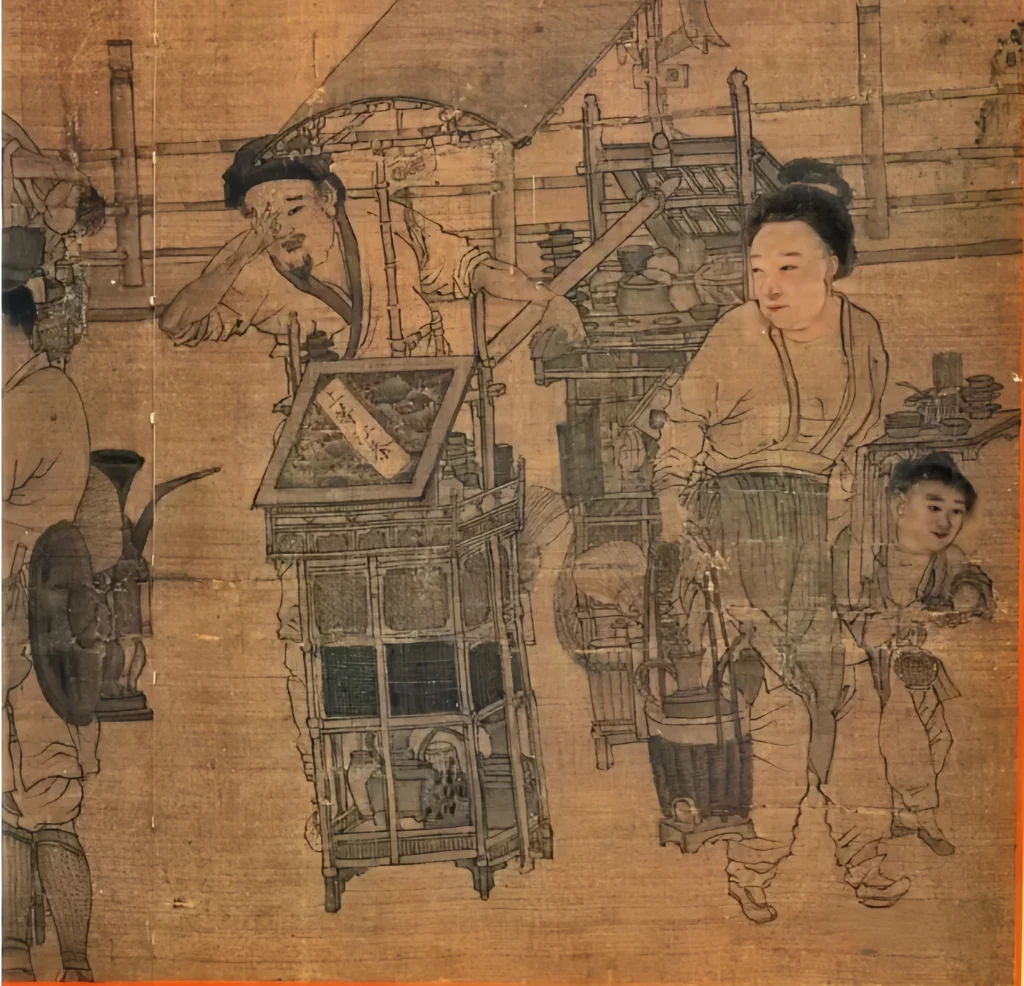
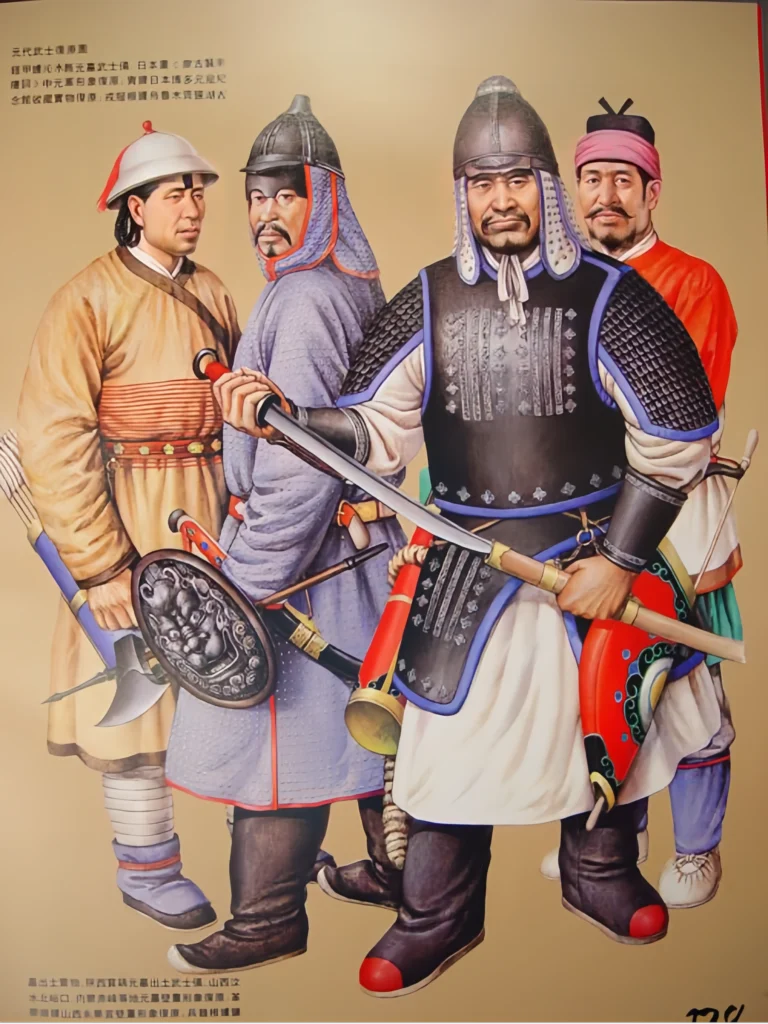
Before the Song Dynasty, brown garments were short, so they were also called duanhe (短褐), and were widely worn by laborers as practical work clothing. In the Song Dynasty, workers continued to rely on short duanhe for daily use. Some recluses also wore hemp garments, which were still called “Hanfu he yi,” though their sleeves and hem were broader and longer than those worn by laborers, giving them a more relaxed and scholarly appearance that matched the Song dynasty commoner lifestyle.
In later generations, short brown garments were mostly made of coarse cloth, and the term was gradually replaced by ao (袄). Even so, duanhe remained as a metaphor for common people and simple living. For example, the idiom “quail coat and short brown clothing” (鹑衣短褐) describes clothes that are short, worn, and humble, implying low social status and a life close to ordinary folk, yet still carrying a sense of resilience and authenticity—this is the timeless spirit of everyday Hanfu and brown Hanfu.

Want to wear authentic he yi today?
Check our How to style everyday Hanfu with he yi →

Responses