Hanfu’s Wu Sha Mao: A Cultural Icon
The Origin of the Wu Sha Mao The Wu Sha Mao started as a common folk cap. Officials began wearing it in the Eastern Jin,…

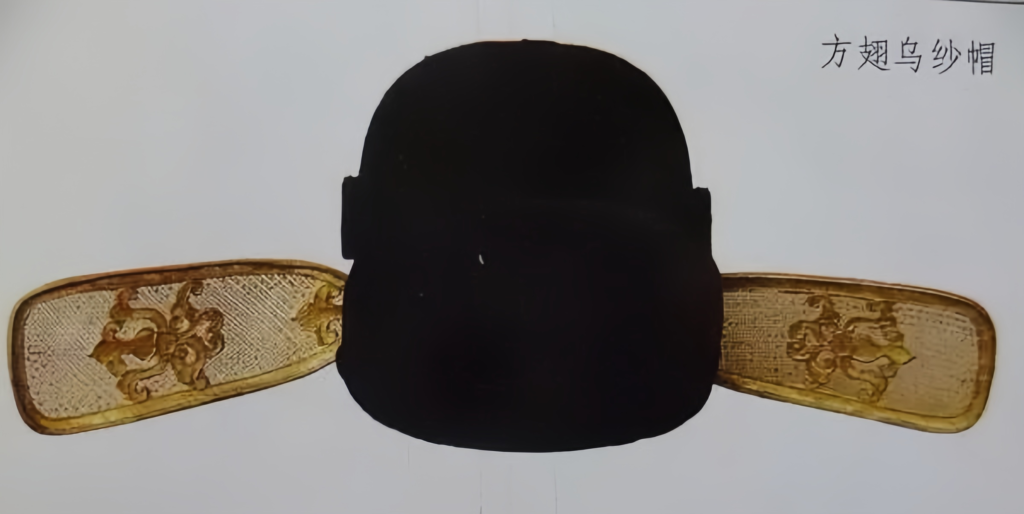
The Origin of the Wu Sha Mao The Wu Sha Mao started as a common folk cap. Officials began wearing it in the Eastern Jin,…
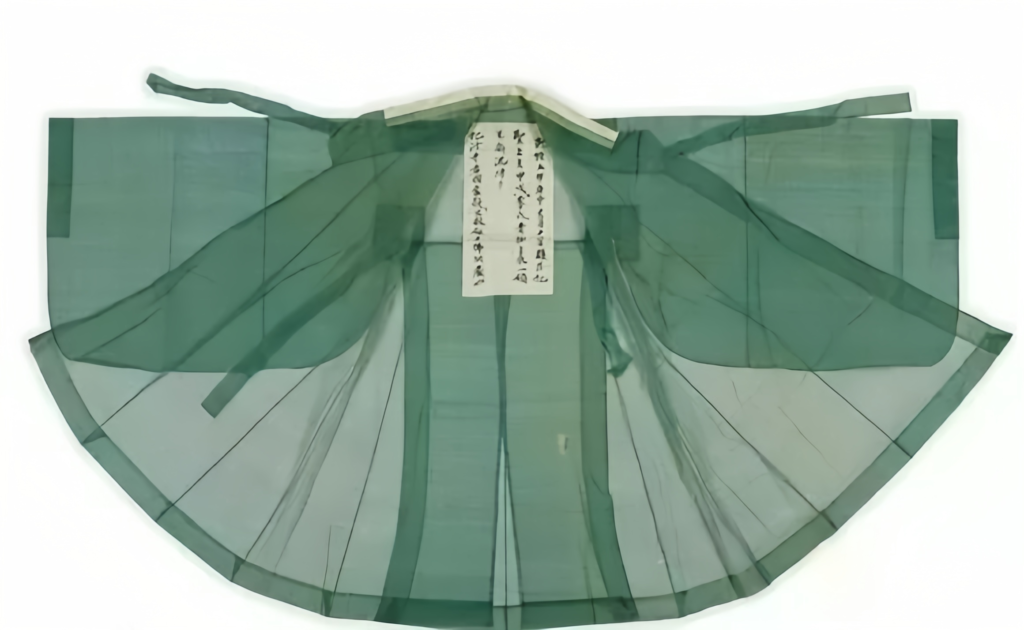
The Dao Pao, a Hanfu style from the Ming Dynasty, started as a men’s at-home outer layer and could double as an under-robe. It features…
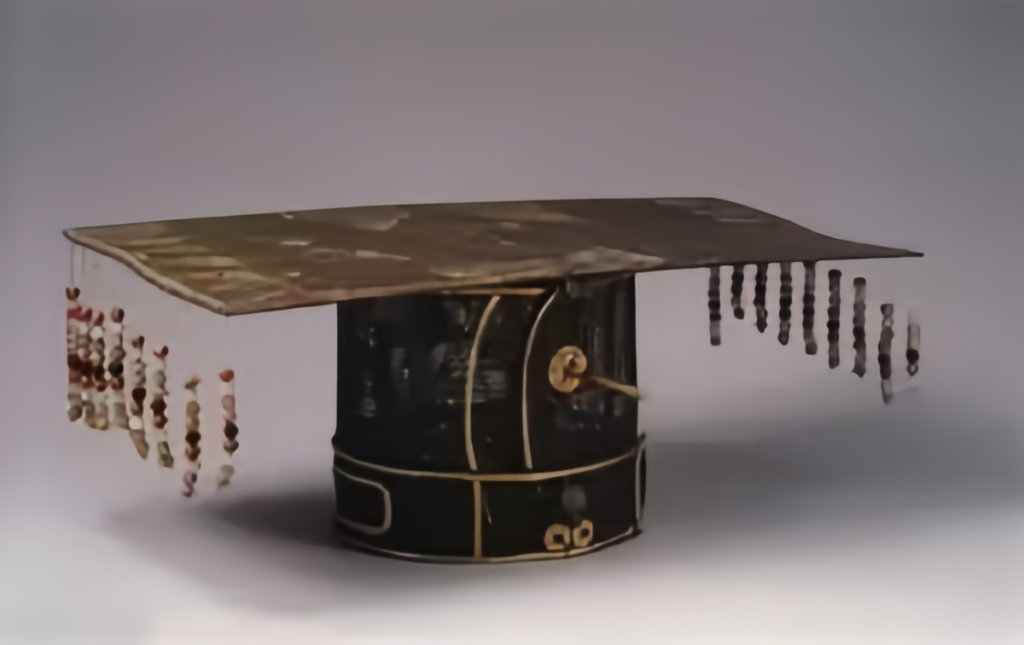
Yi Zi Jin (Single-Line Headscarf) The Yi Zi Jin, also known as Tai Ji Jin, is a long strip with a wooden or jade buckle…
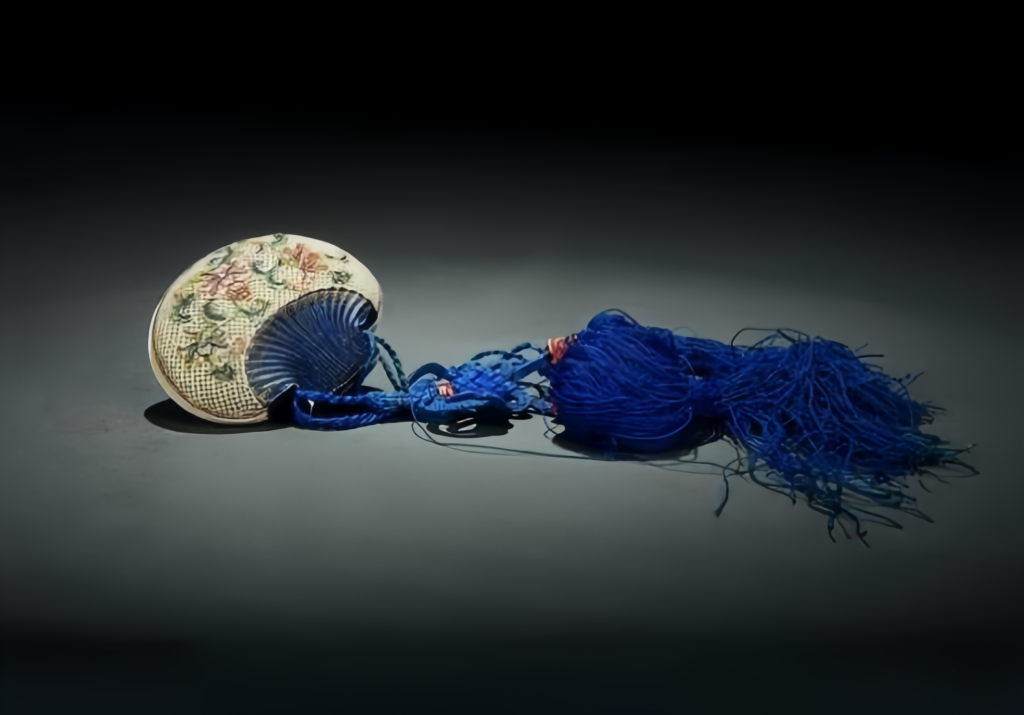
Xiang Nang (Fragrance Pouch) Xiang Nang, also called Xiang Dai or Hua Nang, isn’t the same as a purse. It’s a folk embroidery craft born…
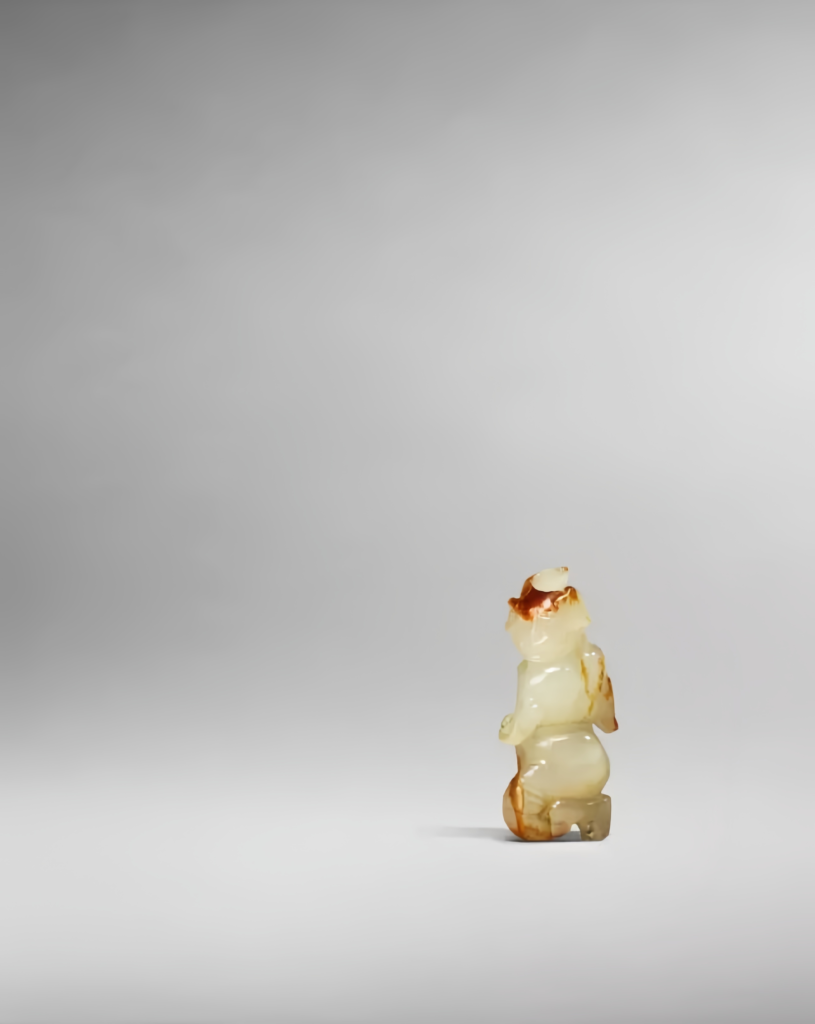
Jade is the ultimate symbol of a Chinese gentleman, summed up perfectly by the saying: “A humble gentleman, gentle as jade.” This simple line captures…
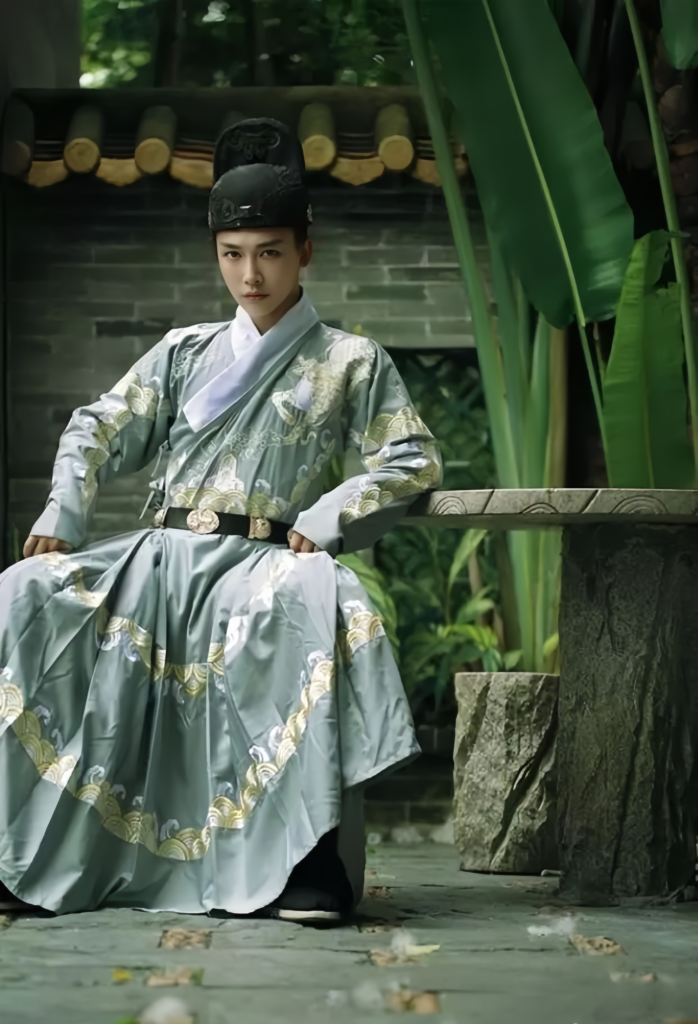
If there’s one outfit that steals the show as the coolest in Hanfu, it’s hands-down the Fei Yu Fu! 1. What Makes Fei Yu Fu…
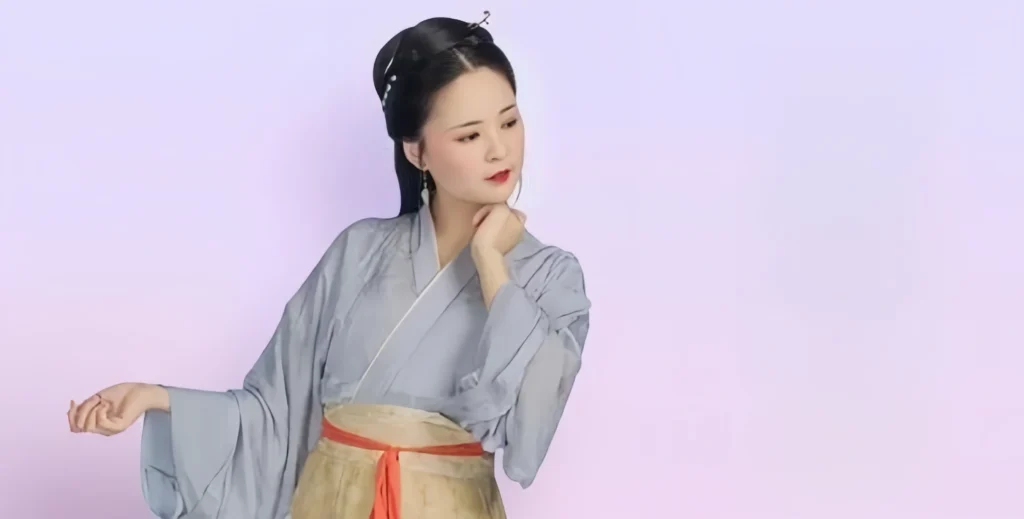
1. Qu Ju (Curved Hem Robe) Style: One-piece dress Qu Ju, full name Qu Ju Pao, also called Rao Jin Pao in archaeological reports. It’s…

Fans originated in China and boast a history of over 3,000 years. Fans According to fan lore, they were first called “Five Bright Fans,” said…
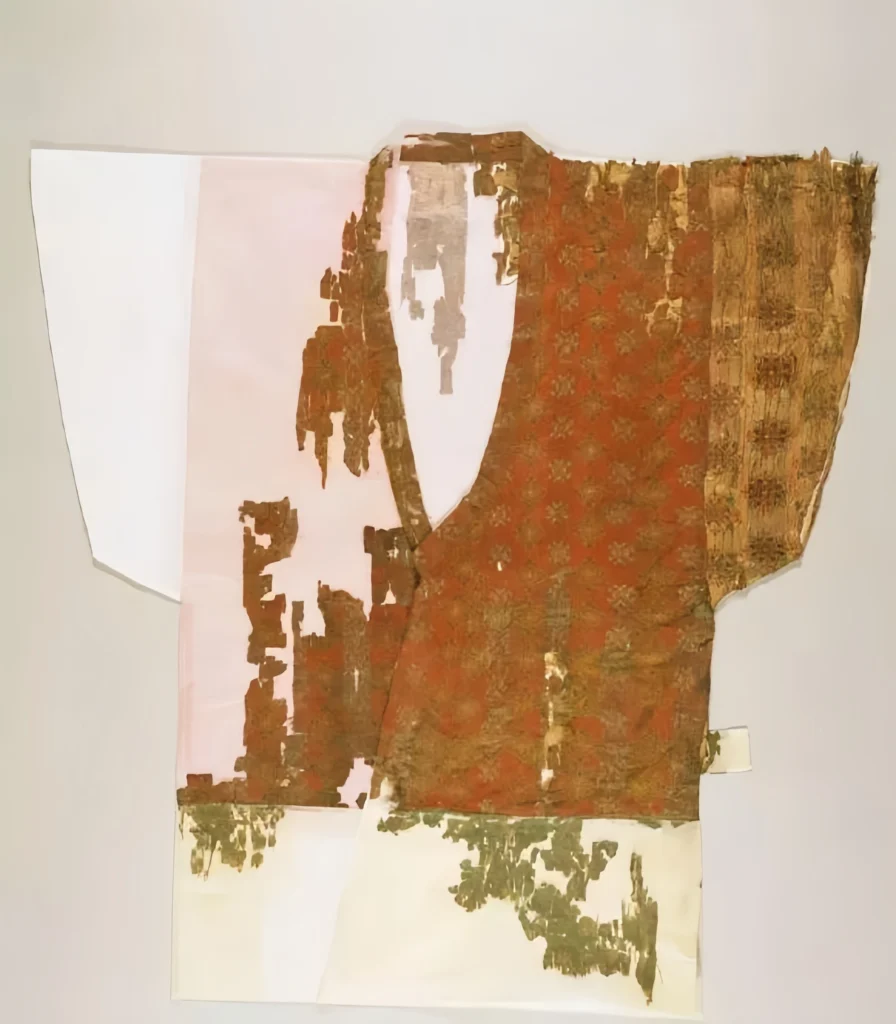
Summer heat makes wearing clothes feel like wearing “fire.” As a result, bulky Hanfu styles aren’t ideal for daily wear anymore, and the Banbi (short-sleeve top)…
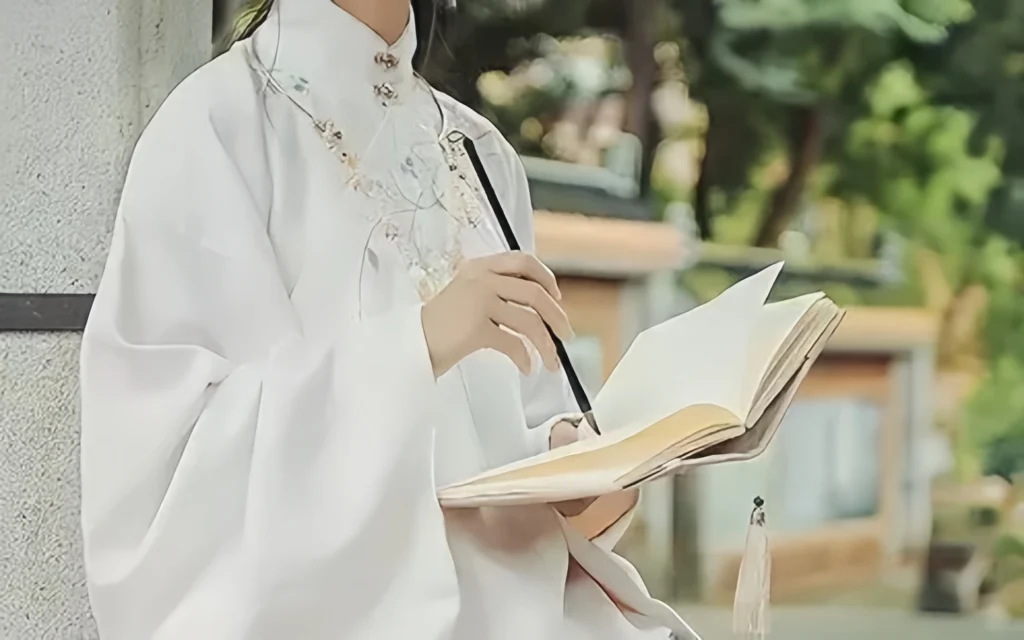
The Ming Dynasty Aoqun, a cornerstone of traditional Chinese clothing, embodies the elegance and cultural depth of Hanfu. This iconic top-and-bottom style, featuring a top…
Please confirm you want to block this member.
You will no longer be able to:
Please note: This action will also remove this member from your connections and send a report to the site admin. Please allow a few minutes for this process to complete.