Can You Really Tell Hanfu, Hanbok, and Kimono Apart?


Let’s dig into the roots—Hanbok (or Joseon attire) from Korea (Joseon) evolved from China’s Hanfu over time, developing its own local flair while keeping some Hanfu traits. So, what sets Hanfu, Hanbok, and Kimono apart? Let’s check it out!
Hanbok
Hanbok traces back to Hanfu from China’s Ming Dynasty, taking shape during the Joseon era under the Lee dynasty. It’s known for vibrant colors and no pockets. During the Korean Empire, lower-class traditional Hanbok left the chest exposed for breastfeeding, but this was banned under Japanese rule for being “indecent.”
Ming Dynasty Men’s Clothing
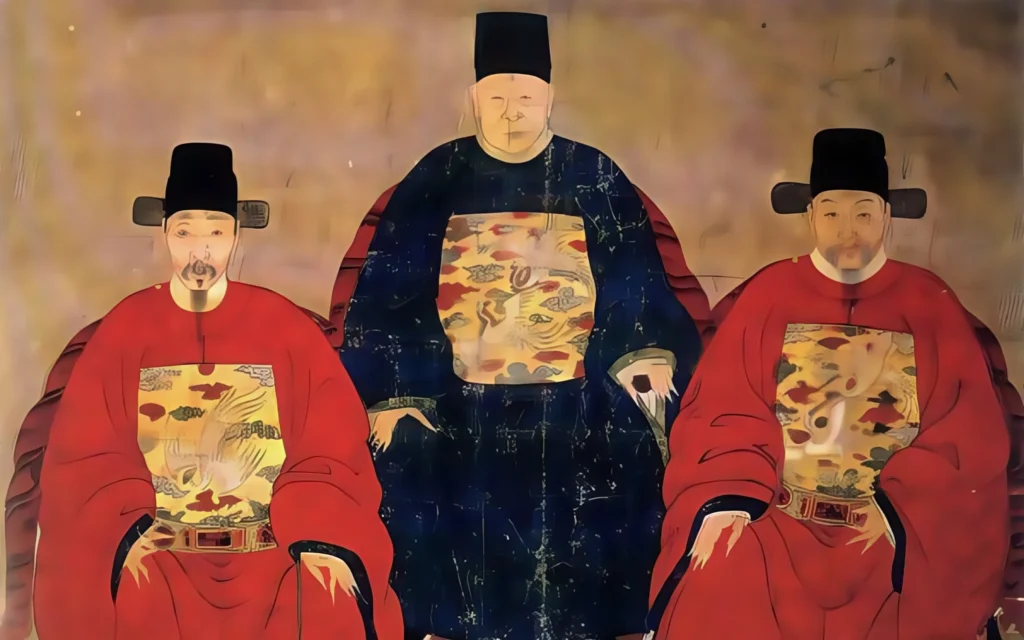
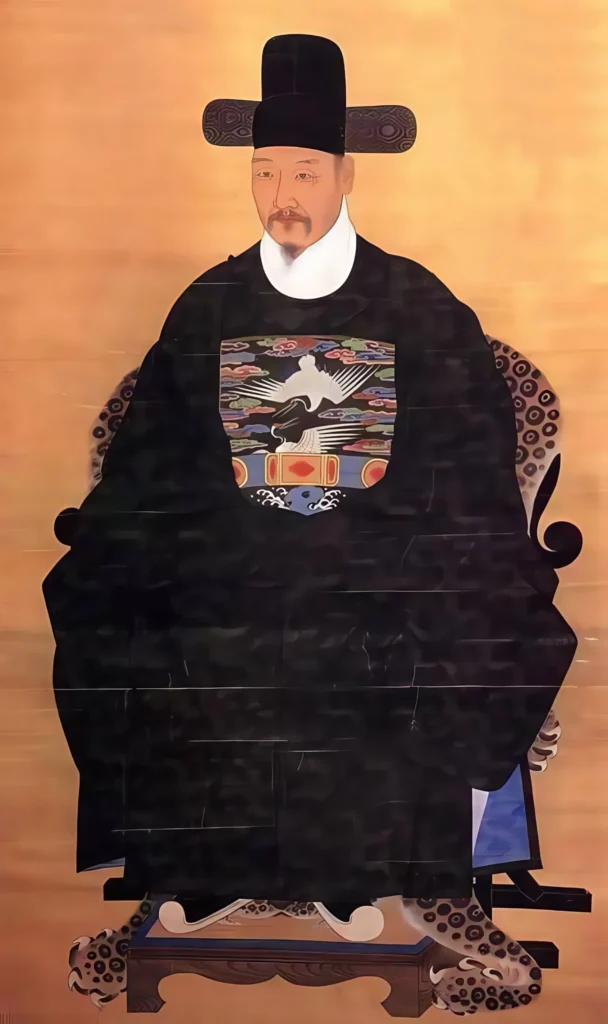
Ming men favored robes, with officials rocking “bufu” (rank badges) as daily wear, topped with black gauze hats and round-collar shirts. Scholars sported blue straight Zhiju with wide black edges, dubbed “blue robes.”
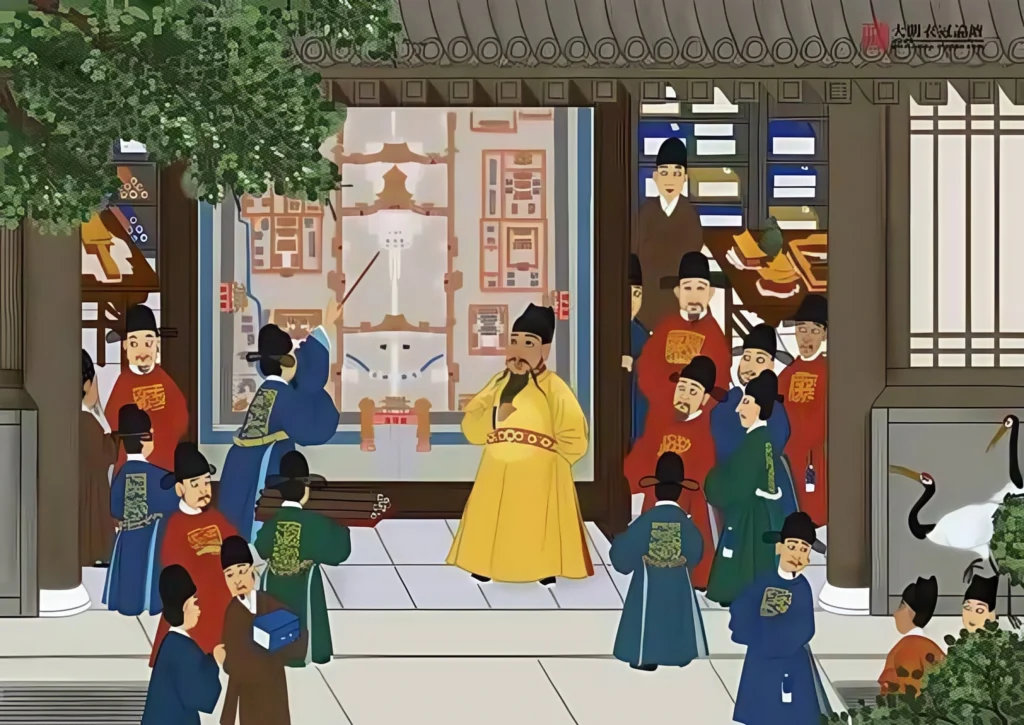
Emperor’s Clothing
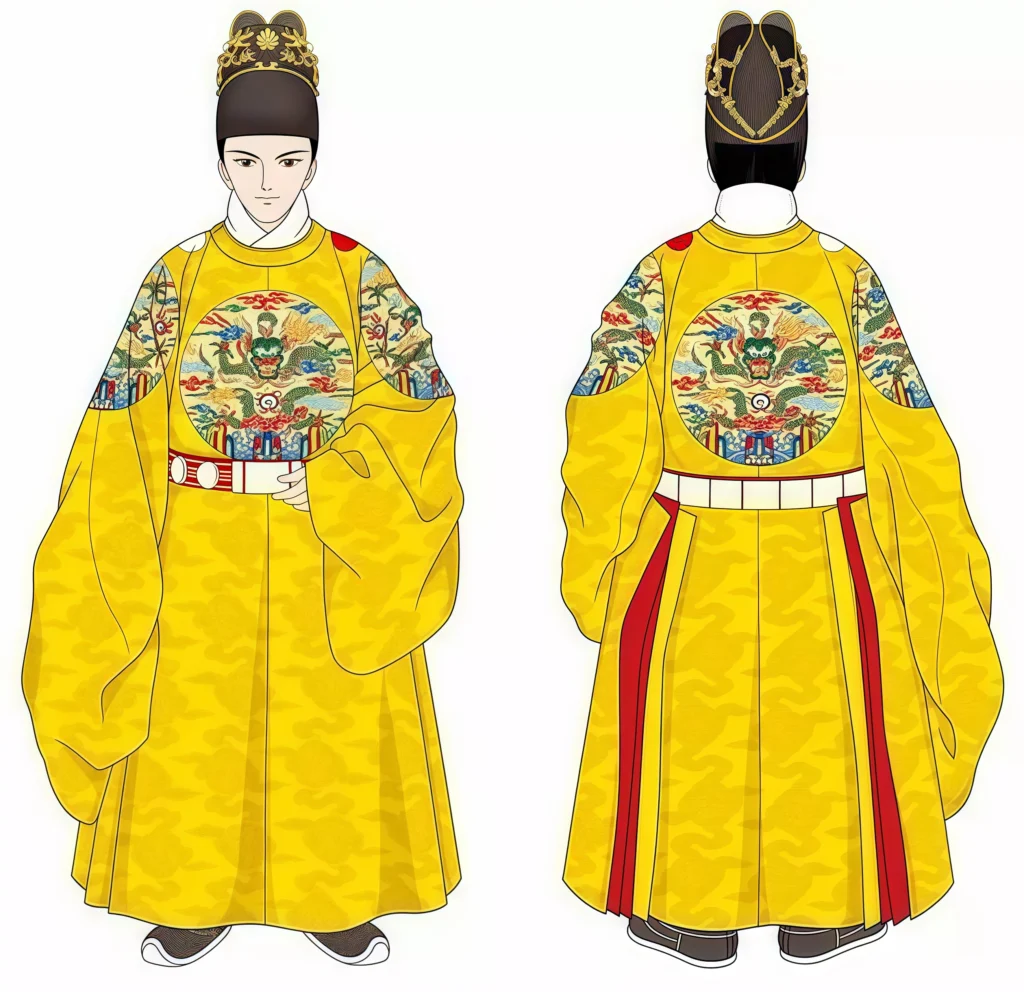
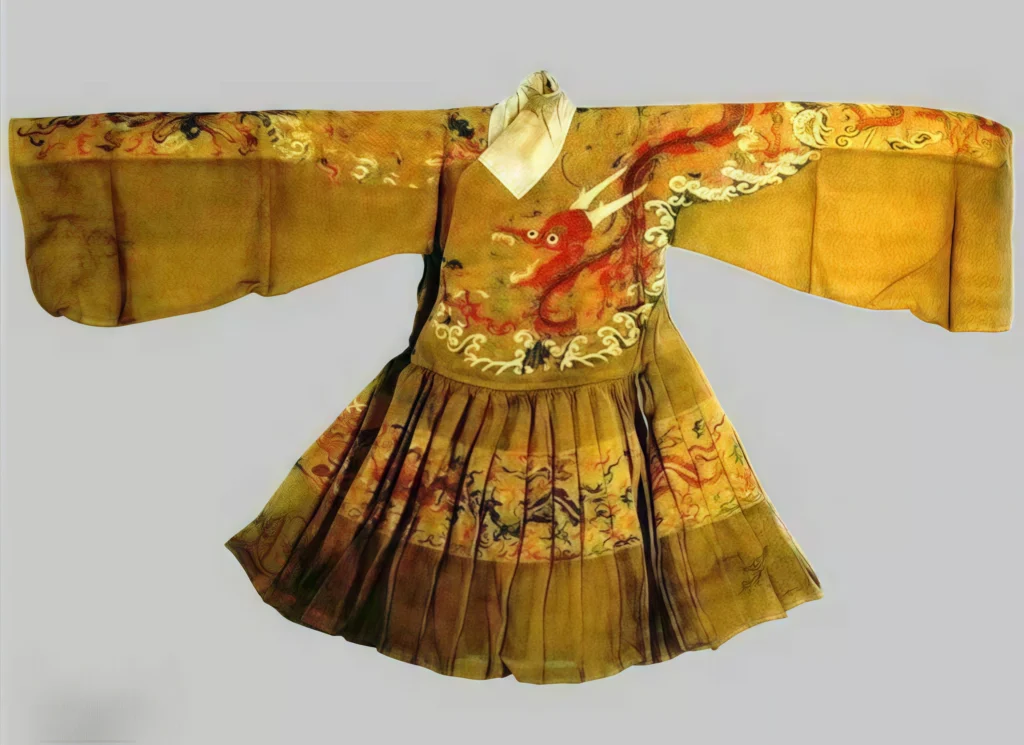
The Ming emperor’s daily wear was the dragon robe, embroidered with dragon, pheasant, and twelve-chapter patterns, usually in yellow gauze with a gold crown. For ceremonial robes, they stuck to the ancient top-and-skirt style: black upper garment, reddish skirt, white gauze sash, yellow knee covers, plain gauze mid-layer, and red shoes. The black top featured sun, moon, and dragon patterns on the shoulders, stars and mountains on the back, fire and pheasant designs on the sleeves, with natural edges on the collar, cuffs, and hem. The reddish skirt had algae, rice grain, and ritual patterns.
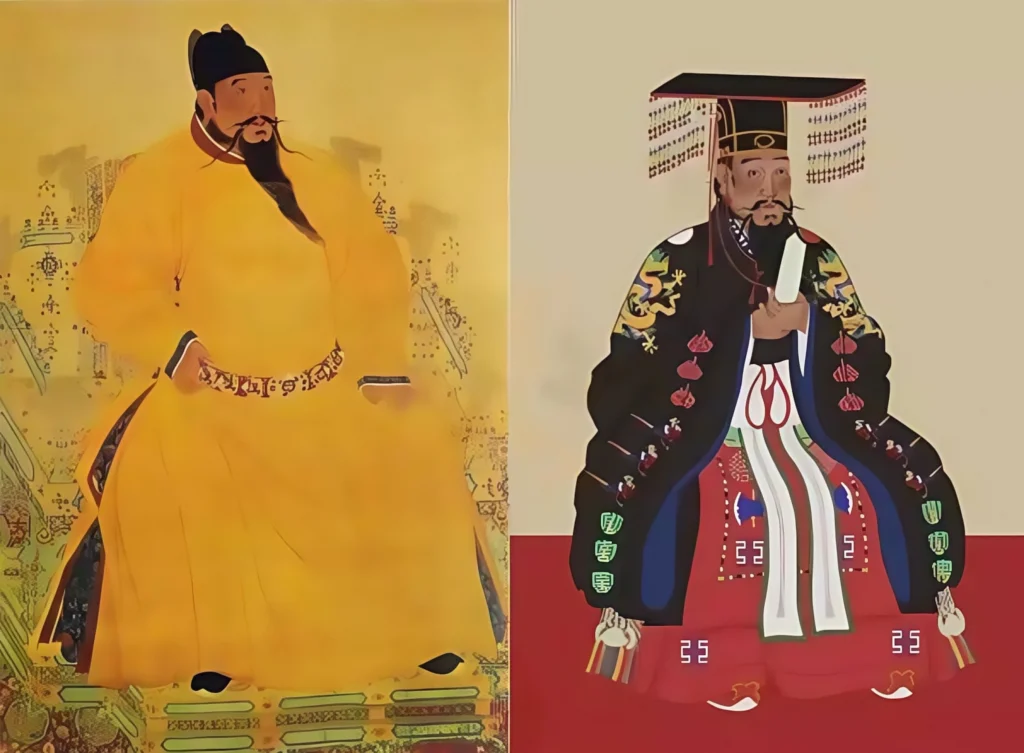
The emperor’s regular wear, called Wing Shan Crown attire, included a black gauze fold-up hat (aka Wing Shan Crown), a round-collar robe with narrow sleeves (widening later in the Ming), and gold dragon embroidery on the front, back, and shoulders, paired with a jade belt and leather boots. This versatile outfit had many uses. The robe was yellow silk with dragons, pheasants, and twelve-chapter patterns.
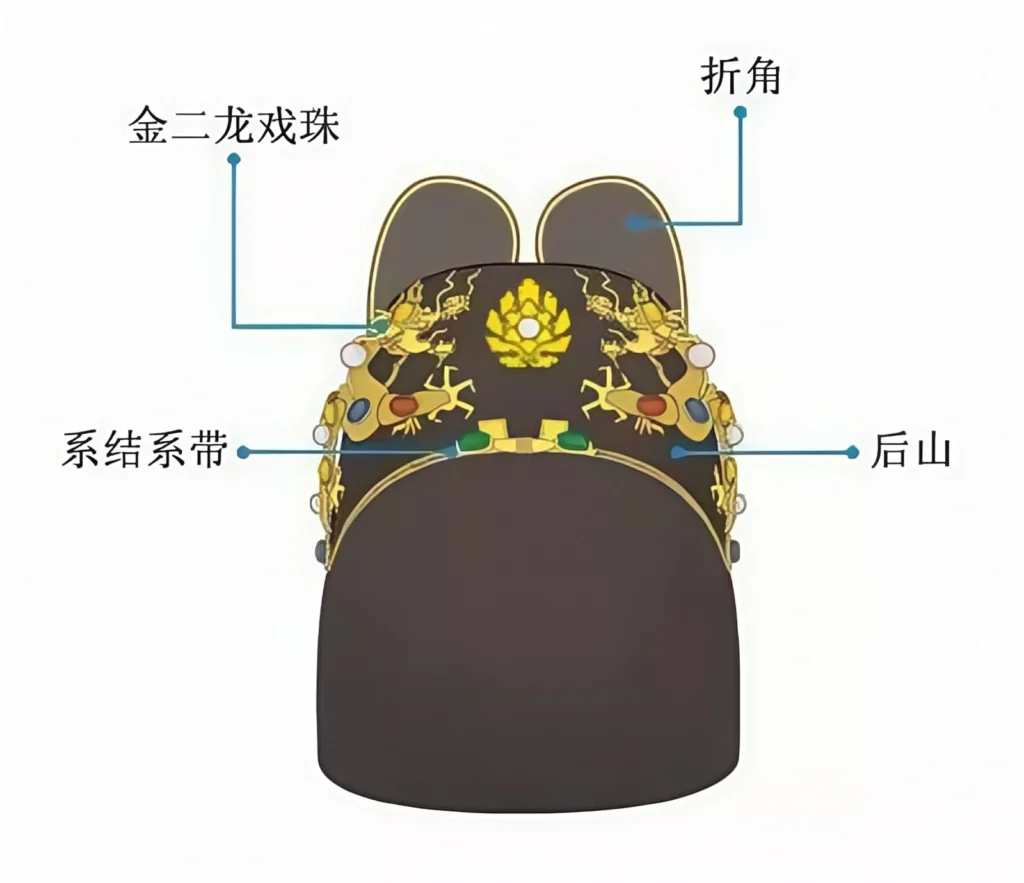
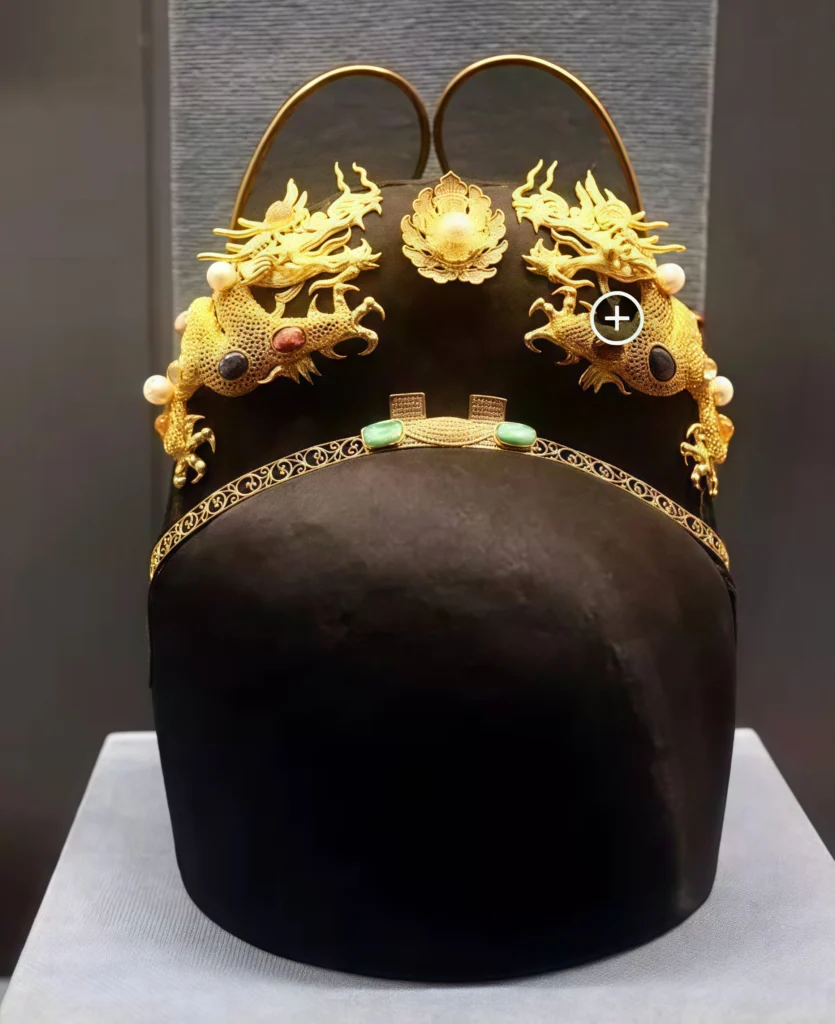
Wing Shan Crown
Covered in black gauze, it had a pair of upward-folded corners at the back, with decorative ties like early futou hats on the front ridge. After Emperor Xiaozong, the corners shifted from pointed to rounded. During Emperor Muzong’s reign, pearl- and gem-studded gold two-dragon-play-pearl designs were added. Three Wing Shan Crowns were found in Dingling Tomb: one gold-thread crown, two black gauze crowns. The best-preserved black gauze crown stands 23.5 cm tall, 19 cm wide, with a fine bamboo frame, red silk lining, yellow silk cover, and double black gauze layer. The back ridge features two gold-wire dragons with colorful gems and a pearl center, tied with gold-wire knots and green gem studs. The folded corners use bamboo frames with gold-edged gauze.
Wing Shan Crown Round Collar
Initially set as a round-collar narrow-sleeve robe, it later widened in body and sleeves, earning the name “round collar” or “dragon robe” for its patterns. The emperor’s version was yellow (later with other colors), with a right-side button loop, two front ties for fastening, and dragon patterns on the chest, back, and shoulders—early ones in gold weave, later in colorful embroidery. Emperor Yingzong added sun (left) and moon (right) patterns above the shoulder dragons. Sleeves started narrow, then widened with curved edges and narrow hems. The robe had side slits with four “swings” (two front, two back) and waist ties for a leather belt. Dingling yielded 12 four-dragon round-collar robes from Emperor Shenzong.
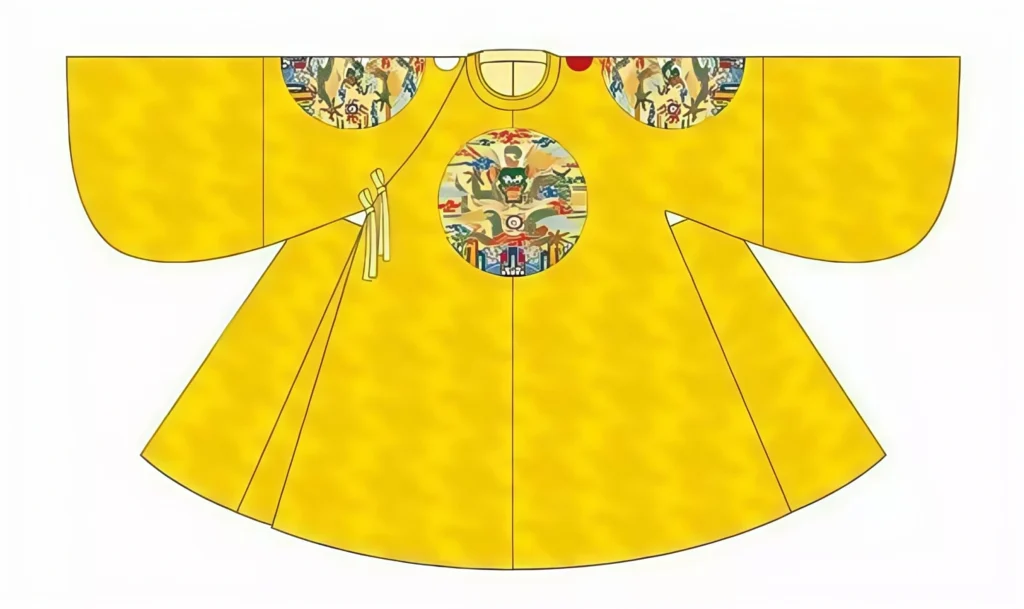
Dapei
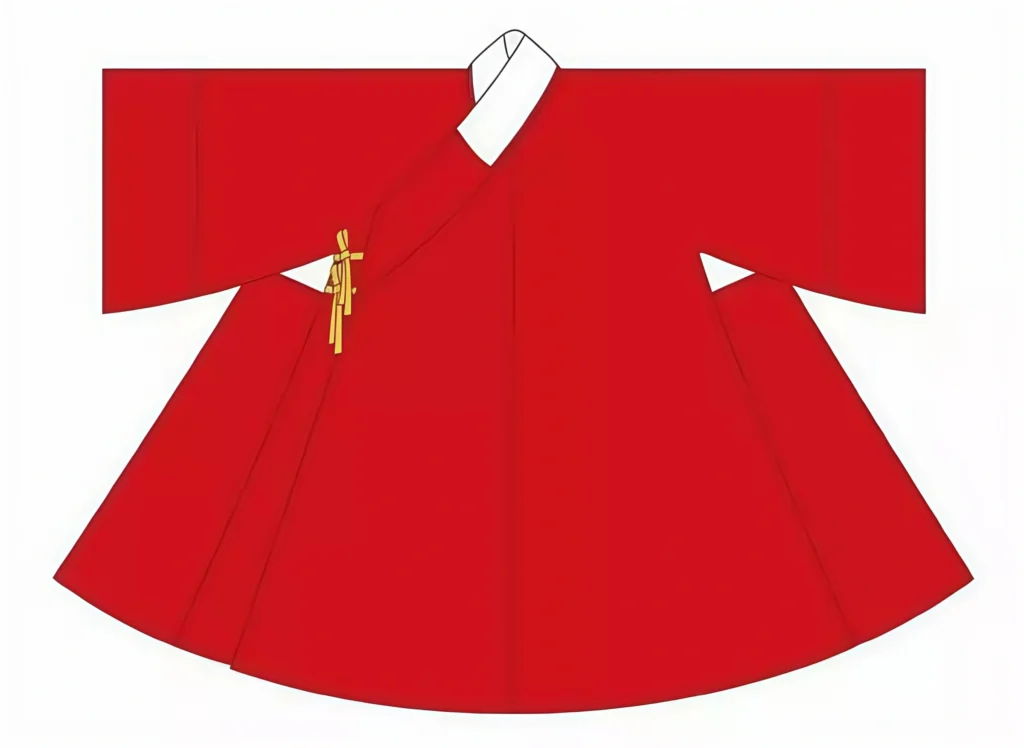
Evolving from Banbi, Dapei was worn under round-collar robes since the Tang Dynasty. In the Ming, it was a standard combo with round collars and linings. Dapei had a cross-collar, short or no sleeves, a wide white “collar guard,” side slits with double swings, tucked under the robe’s swings. Dingling unearthed 31 “cross-collar mid-layers” (half-sleeve and sleeveless), some standard, some varied, mostly found with round-collar robes.
Leather Belt
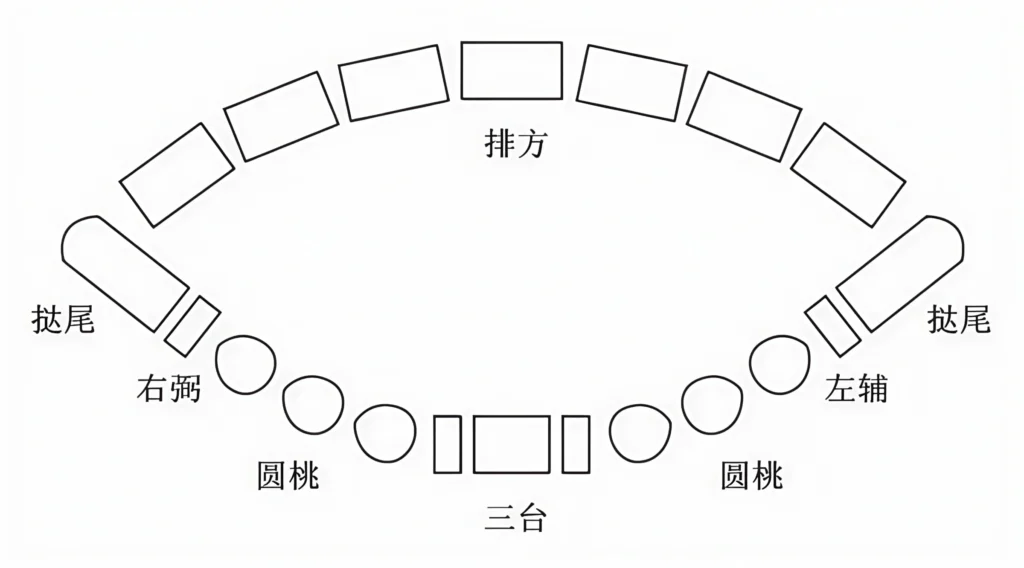
The emperor’s leather belt used jade plaques, called “jade belt.” It had 20 plaques with unique names: three Tai (large and small), six round peaches, two Fu Bi, two Da Wei, seven Pai Fang. The belt strap, made of leather wrapped in red or yellow fabric with five gold lines, was in three sections: left (central Tai, left small Tai, left three peaches, left Fu, left Da Wei), right (right small Tai, right three peaches, right Bi, right Da Wei), and back (Pai Fang). Each side had a sub-strap with holes, connected by metal buckles on the back ends, adjustable via holes, with a front metal pin at the Tai section. Since it exceeded waist size, it hung loosely, a Ming trademark.

Boots
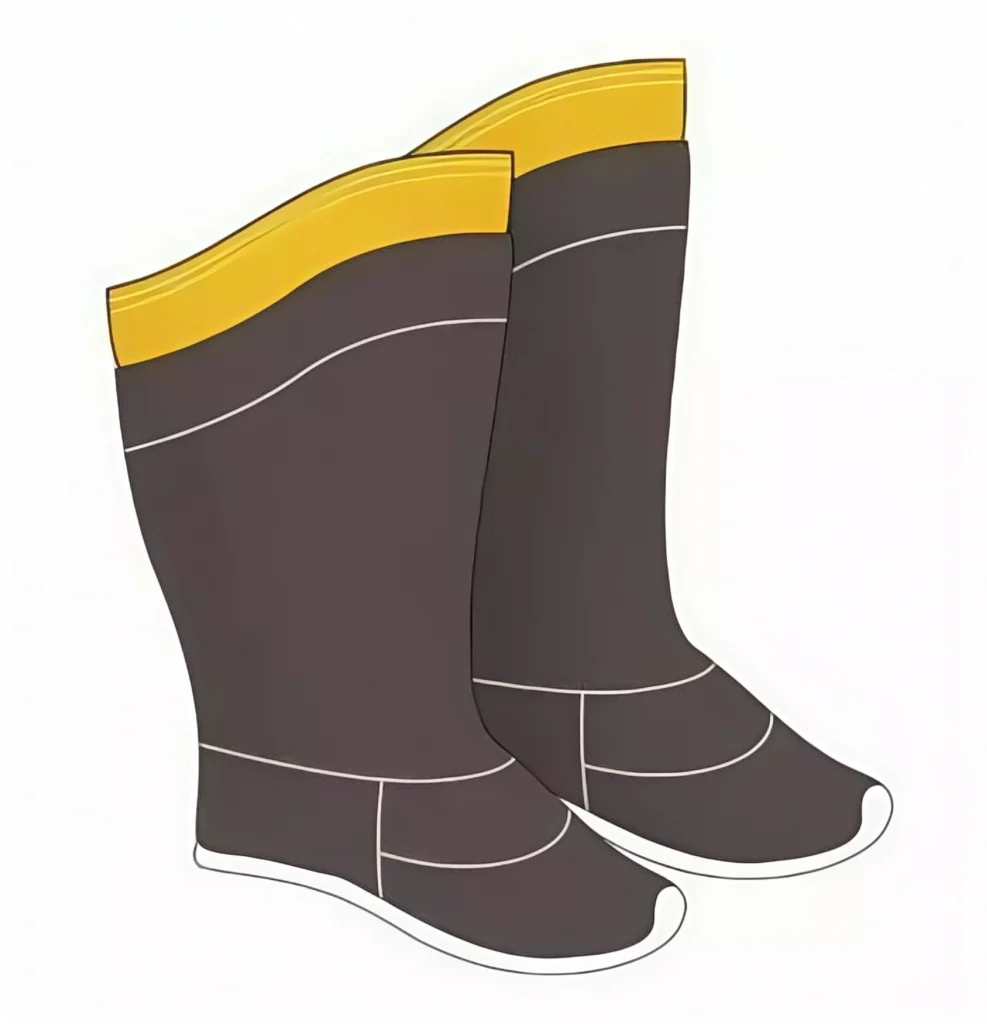
Regular boots were black leather, sewn from two side panels and three front/back pieces, with fabric knee pads inside and white soles, called “white-soled black boots.” Later Ming saw red satin or felt boots in Dingling.
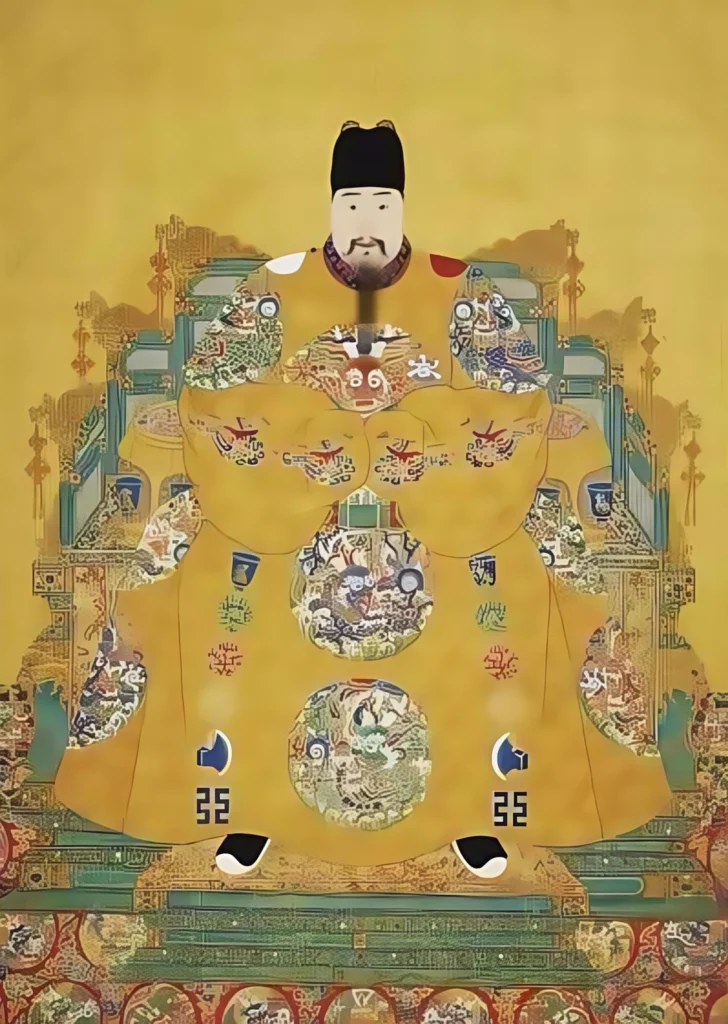
The emperor’s regular wear, beyond the four-dragon round collar, included dragon robes with cloud shoulders, full sleeves, and knee patterns, like Emperor Shenzong in Xu Xianqing’s Official Career • Gold Platform Receiving Decree.
Jifu (Auspicious Attire)
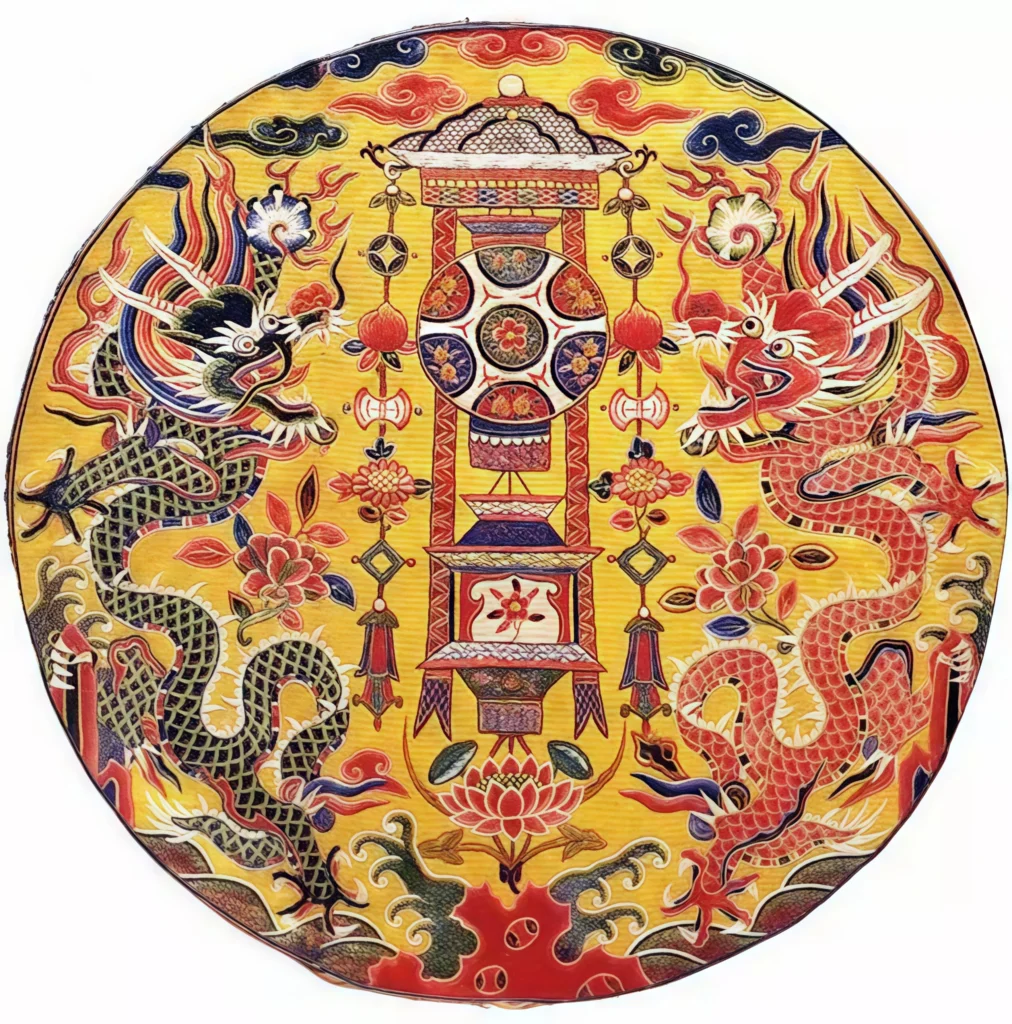
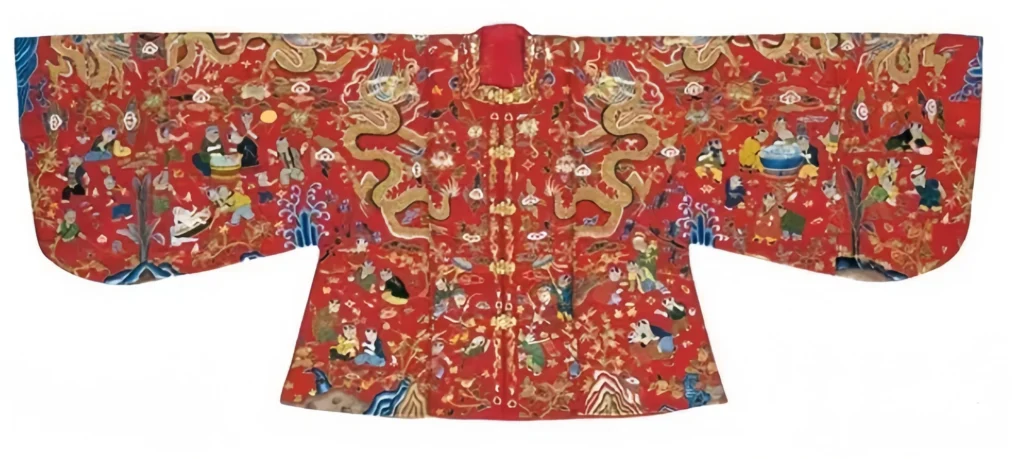
Jifu was worn for seasonal festivals, birthdays, or banquets. Ming emperors’ Jifu lacked formal rules, so styles varied, often matching regular or casual wear (round collar, straight body, Yisa, lining, Taoist robe) in red or yellow festive colors with elaborate, auspicious patterns.
Nanjing Censor Meng Yimai noted to Emperor Shenzong: “Shoufu for birthdays, lantern attire for Lantern Festival, five-toxins Jifu for Dragon Boat, annual dragon robes.” Shoufu had “long life” motifs, lantern attire featured lantern patterns, five-toxins Jifu showed poison motifs, and dragon robes had dragon designs—all Jifu. The “twelve-dragon twelve-chapter Gungun robe” in Ming portraits (found in Dingling) was likely Jifu, though its use remains unclear.
Qingfu (Blue Attire)
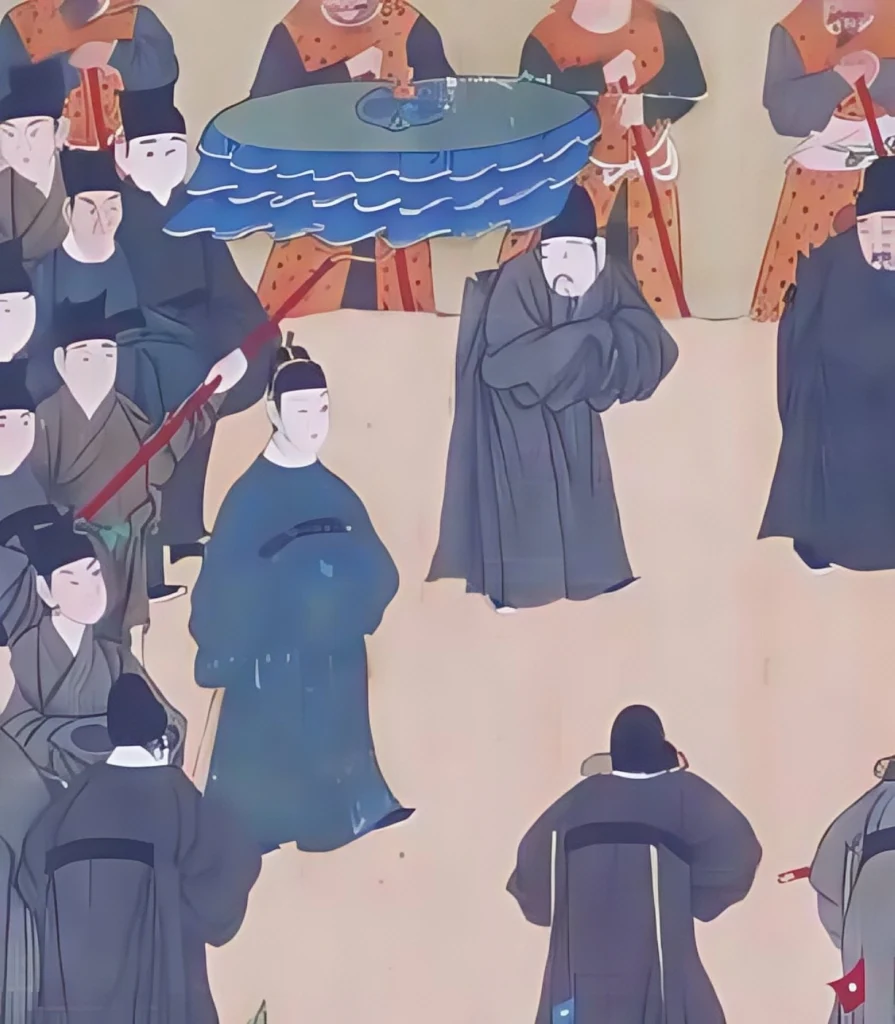
Also called blue robe, Qingfu was a plain blue round-collar worn for empress dowager’s death anniversaries, funerals, tomb visits, or sacrifices. It lacked dragon badges, using black horn plaques and dark blue straps. Ming Shilu records: in Jiajing 24, a temple fire saw Emperor Shizong in Qingfu at Fengtian Gate, with officials in blue for condolences; in Wanli 13, a drought had Emperor Shenzong walk to Yuanqiu in Qingfu to pray, depicted in Xu Xianqing’s Official Career.
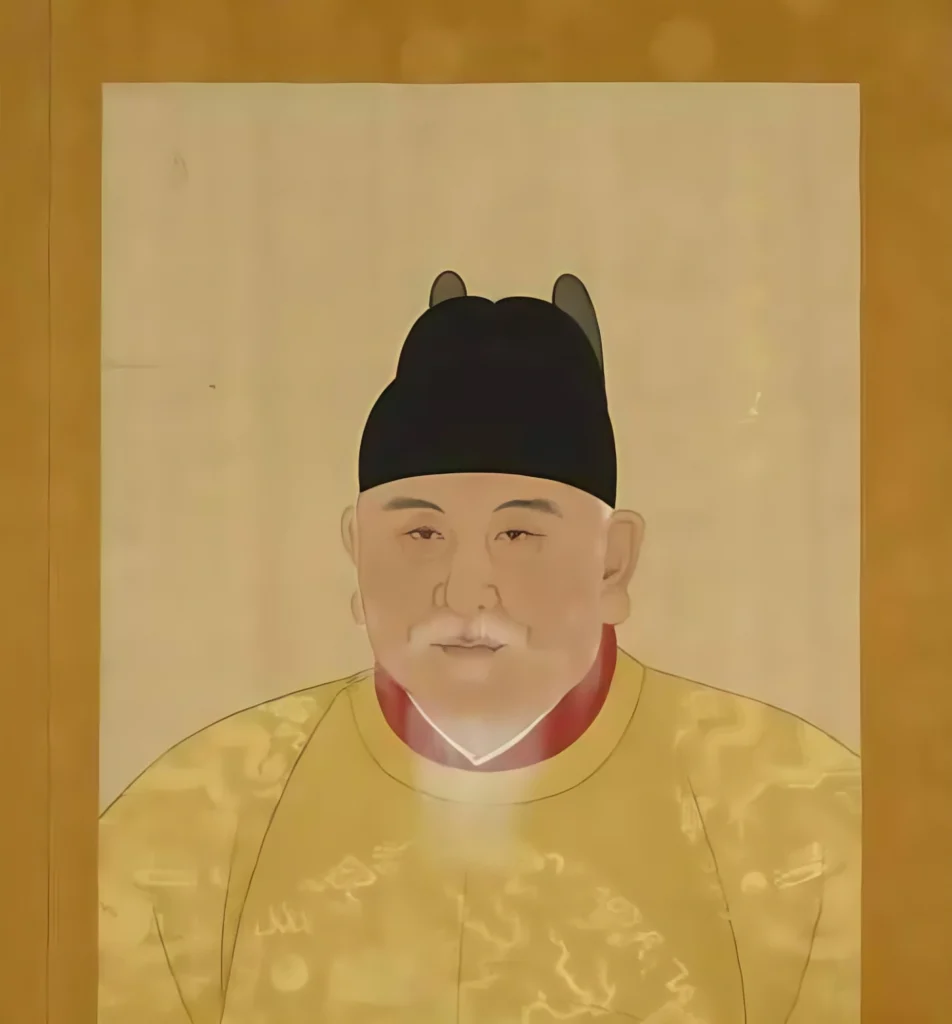
Emperor Hongwu’s regular wear, typical of early Ming, was simpler: black gauze Wing Shan Crown + yellow dragon narrow-sleeve round collar + red cross-collar shirt.
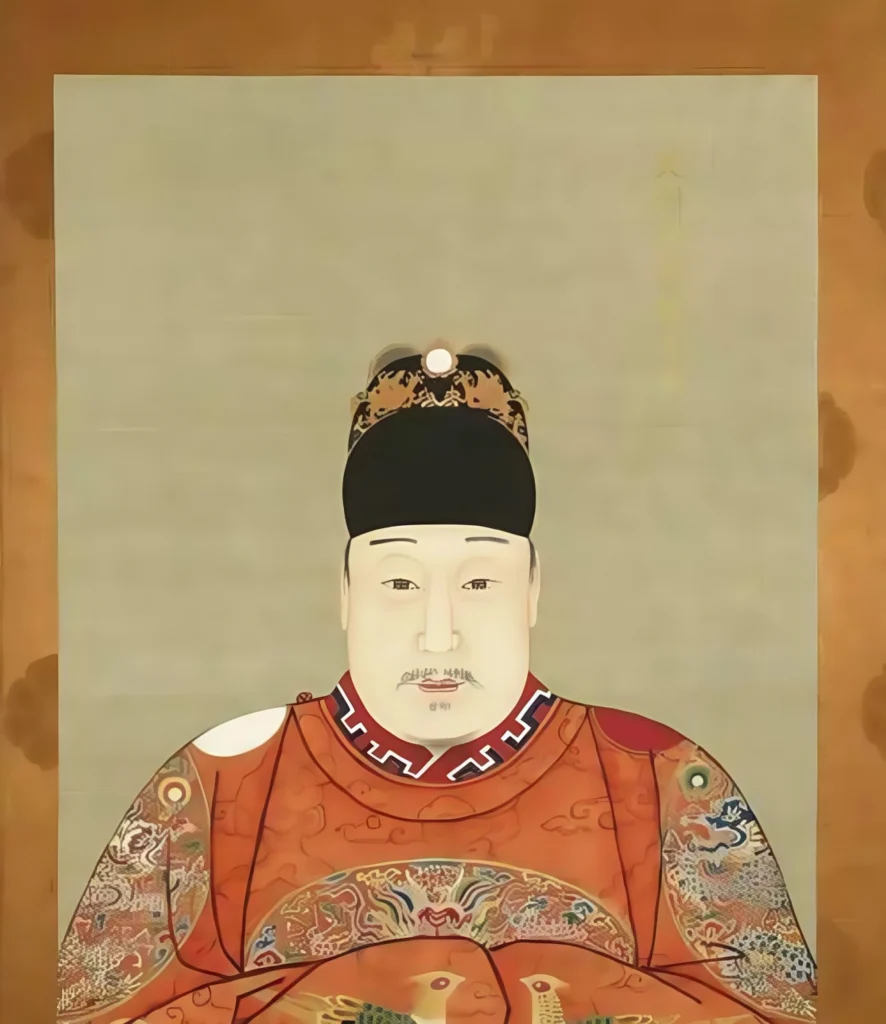
Emperor Wanli’s regular wear, classic mid-late Ming, had more patterns: decorated Wing Shan Crown, yellow round collar with added twelve-chapter patterns, red sun and white moon on shoulders, widened sleeves with pheasant motifs, and other patterns elsewhere.
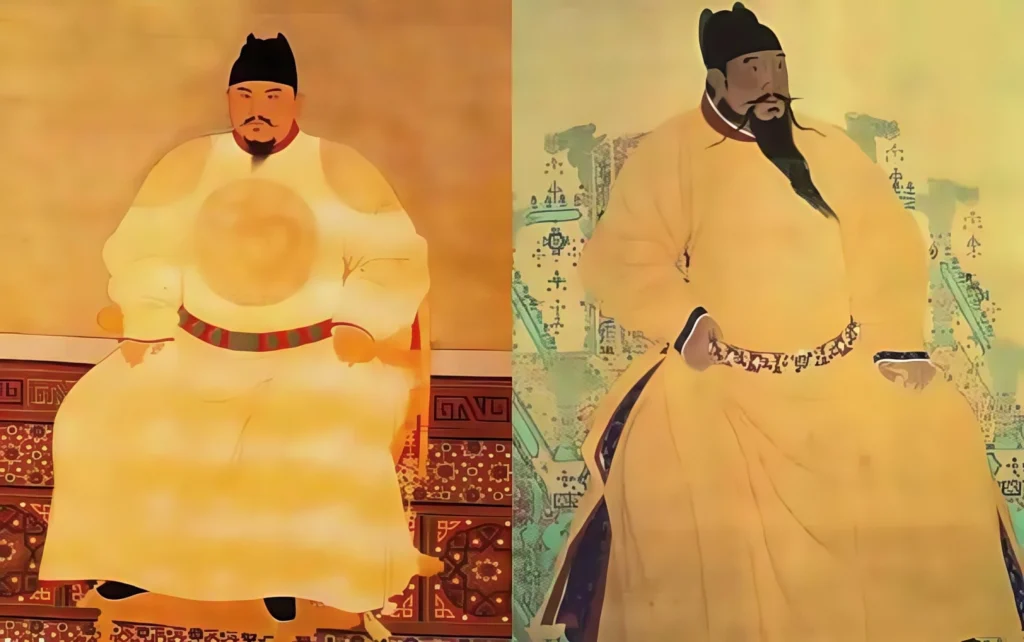
Korean Dragon Robe
King Taejong of Joseon wore a five-claw dragon badge, but as a vassal, four-claw pythons were proper per ritual. Five claws broke protocol. Pythons emerged after Hongwu 24’s ban: “No officials’ clothes or curtains in black, yellow, purple with dragon-phoenix embroidery, violators and makers punished.” Thus, official Hanbok used red-base gold dragon robes.
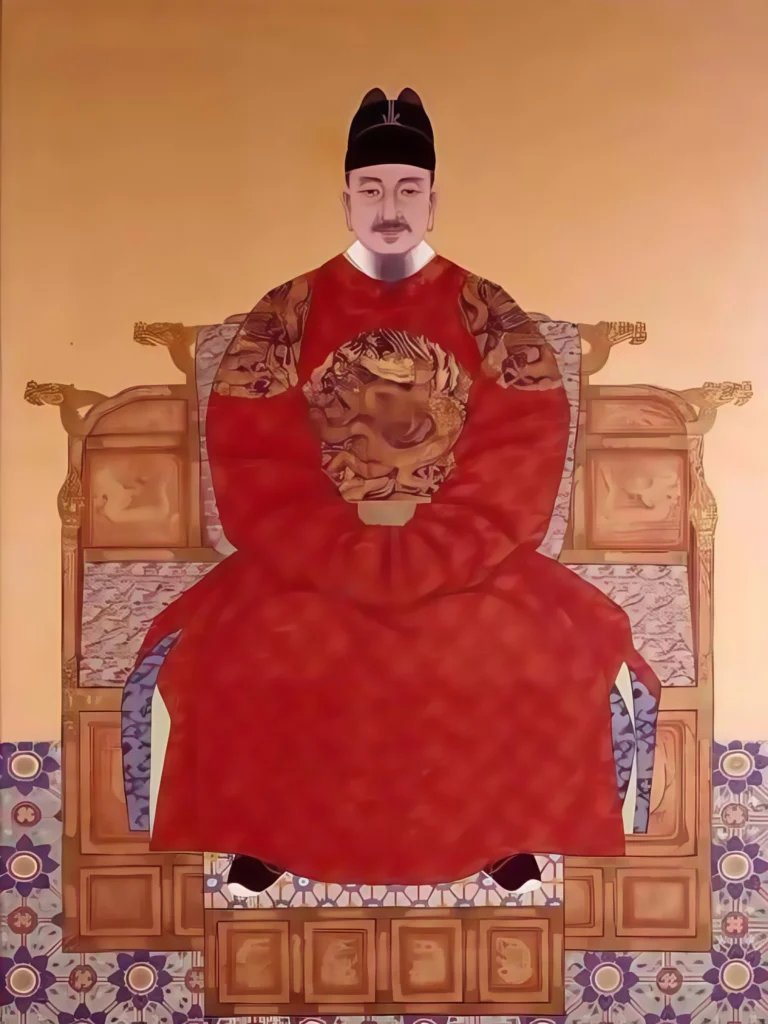
Official Attire
Ming civil and military officials had court robes, public robes, regular wear, and granted robes.
Court Robes
Worn for major rituals, New Year, Winter Solstice, emperor’s birthday, decrees, or ceremonies, officials donned Liang crowns, red gauze shirts with blue-white edges, blue-edged red skirts, red knee covers, red-white sashes, leather belts, and black shoes. The style was top-and-skirt, with Liang crown beams indicating rank, jade as the top decor.
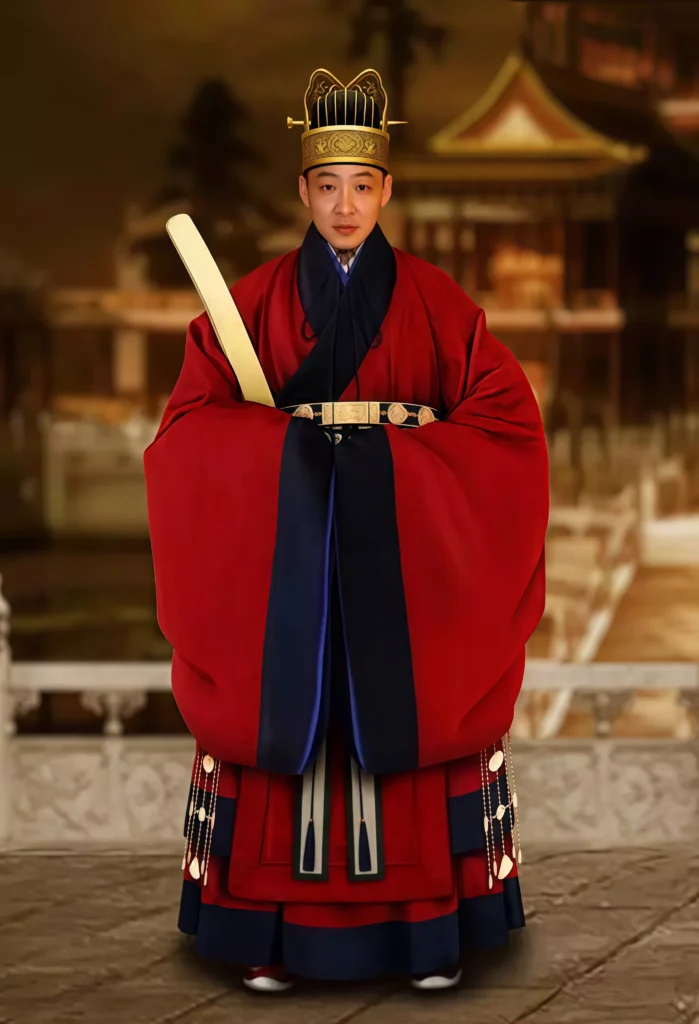
Ming court robes featured wide sleeves, slanted collars, a waistband with full pleats, embroidered chest/back patterns, shoulder-sleeve tops, and a lower waist strip, plus “swings” on both sides, as noted in Eunuch Liu Ruoyu’s Zhong Zhi: “Back hem continuous with side swings, front hem split with horse-face pleats from sides.”
Public Robes
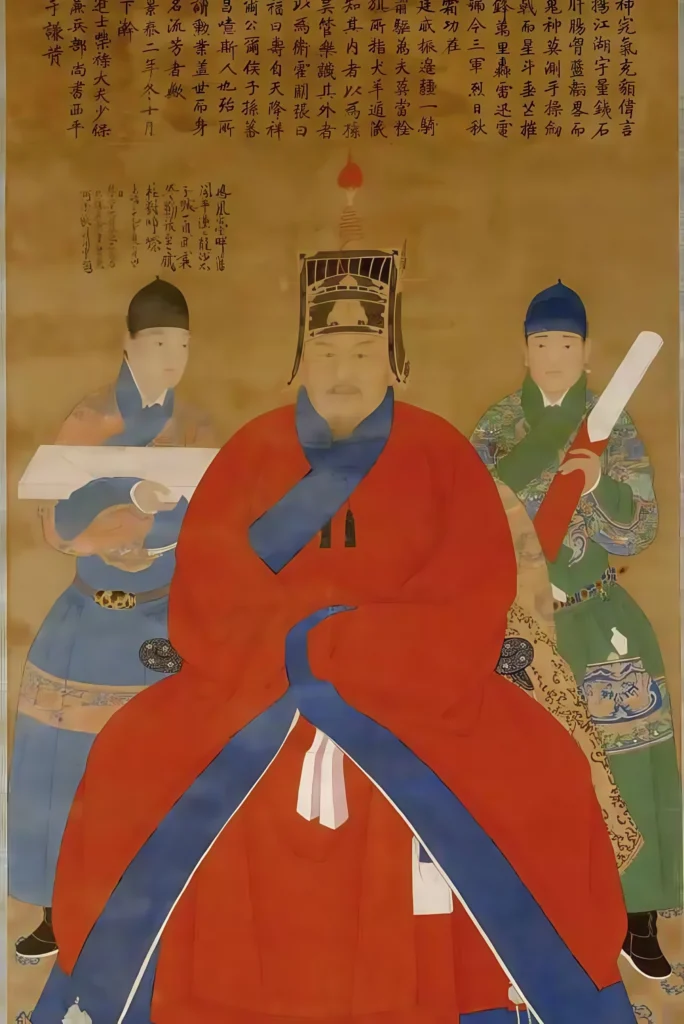
Also robe-style, ranks were shown by color, flower size, and belt material. Right-overlap round-collar robes, three-foot sleeves, made of tussah silk or gauze, were red for ranks 1-4, blue for 5-7, green for 8-9, with embroidered flowers by rank. Ranks 8-9 had no decor. Worn with futou hats.
Regular Wear
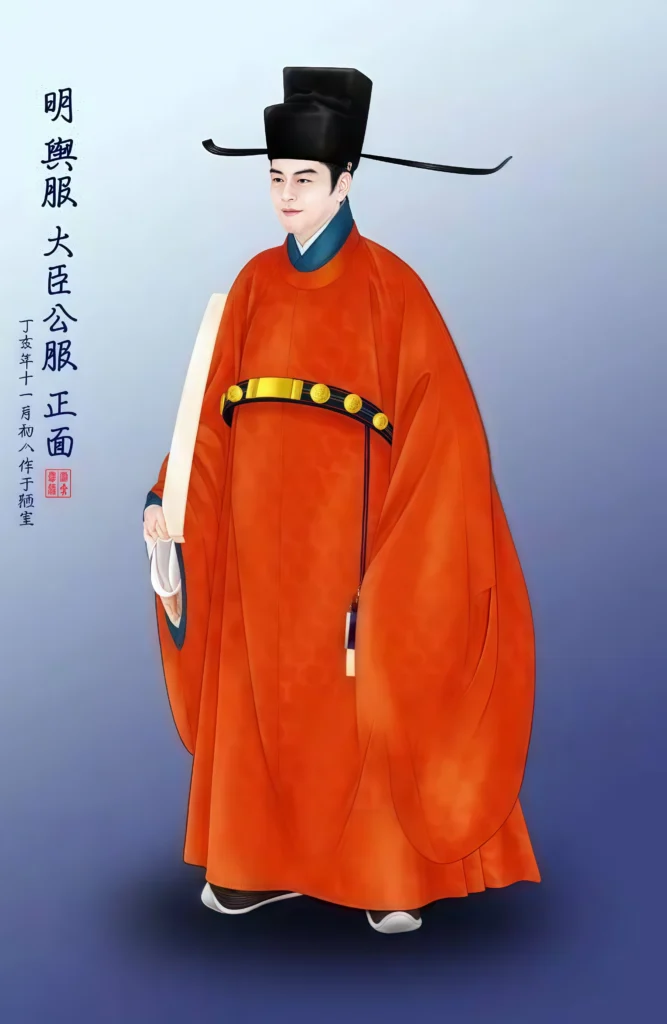
Widely used for daily duties, tomb visits, or reviews, Hongwu 1 set the emperor’s as black gauze fold-up hat, round-collar narrow-sleeve robe, with gold, jade, amber, or rhino-horn belts. Yongle 3 refined it: black gauze Wing Shan Crown, yellow round-collar with one gold dragon each on front, back, and shoulders, jade belt, leather boots. Princes wore red versions.
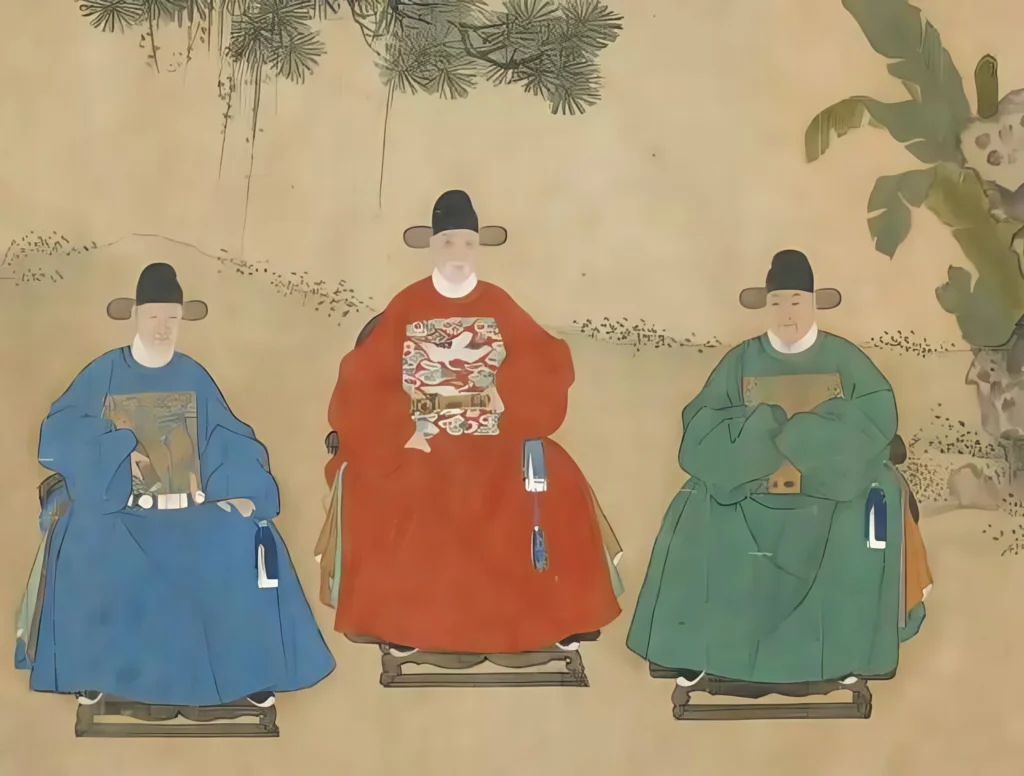
Bufu (Rank Badge)
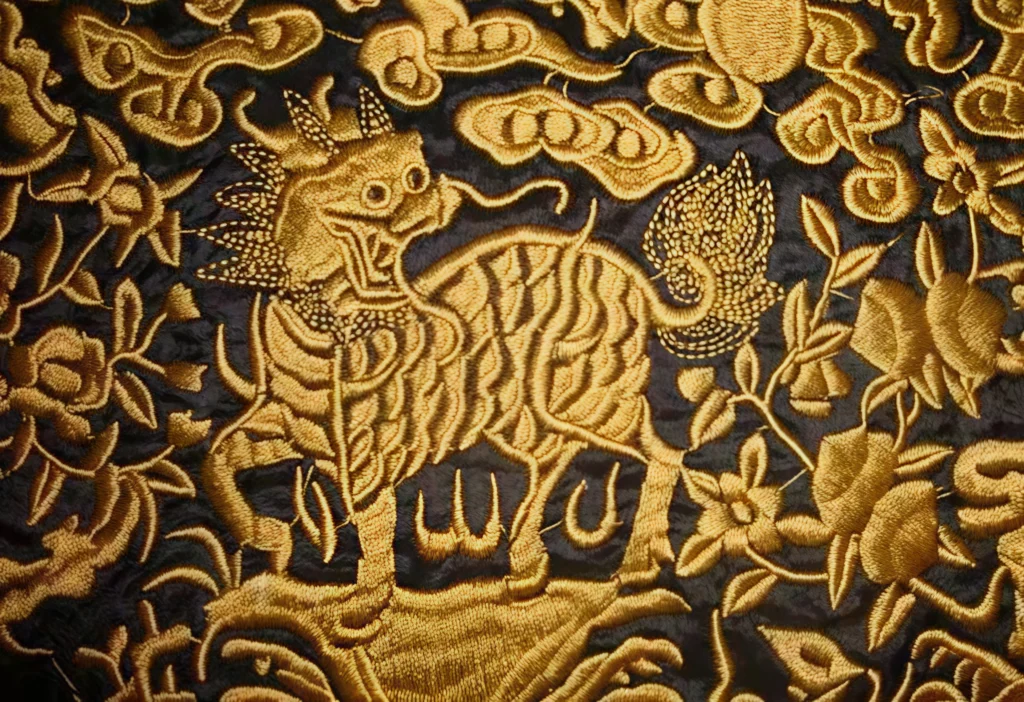
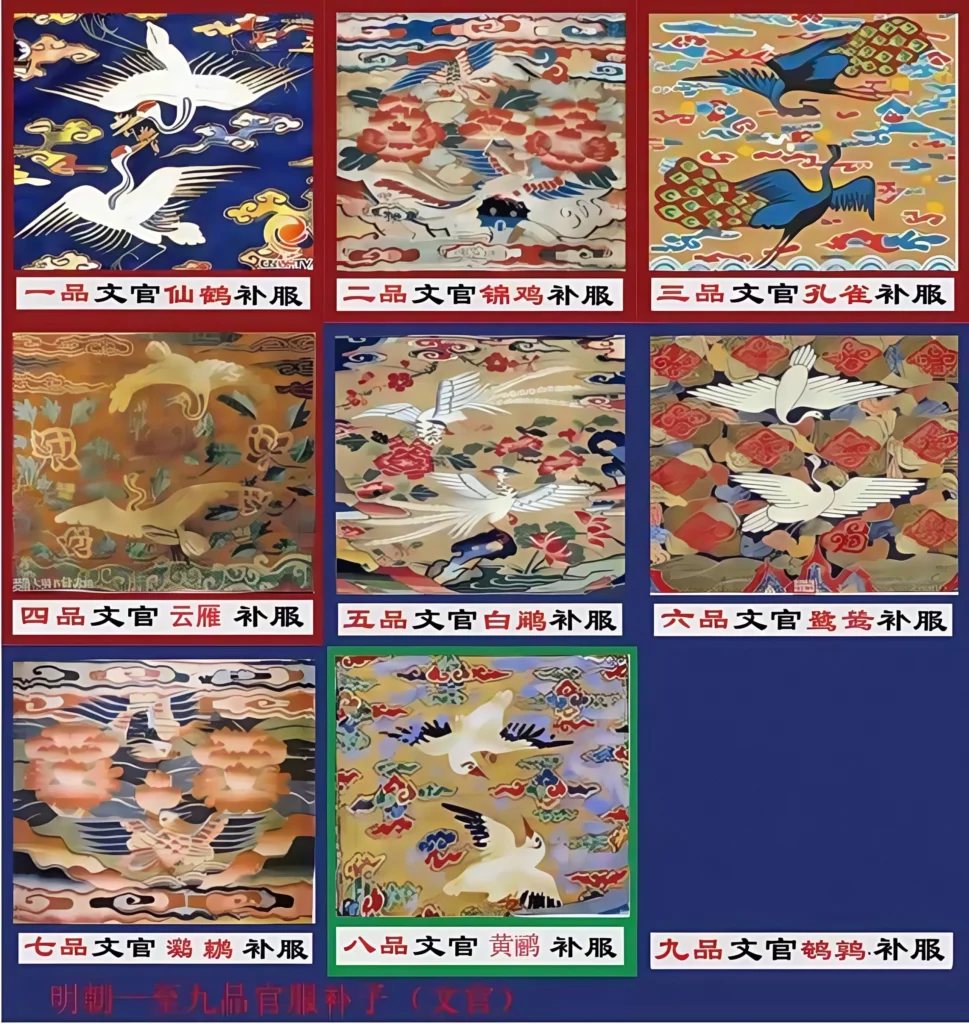
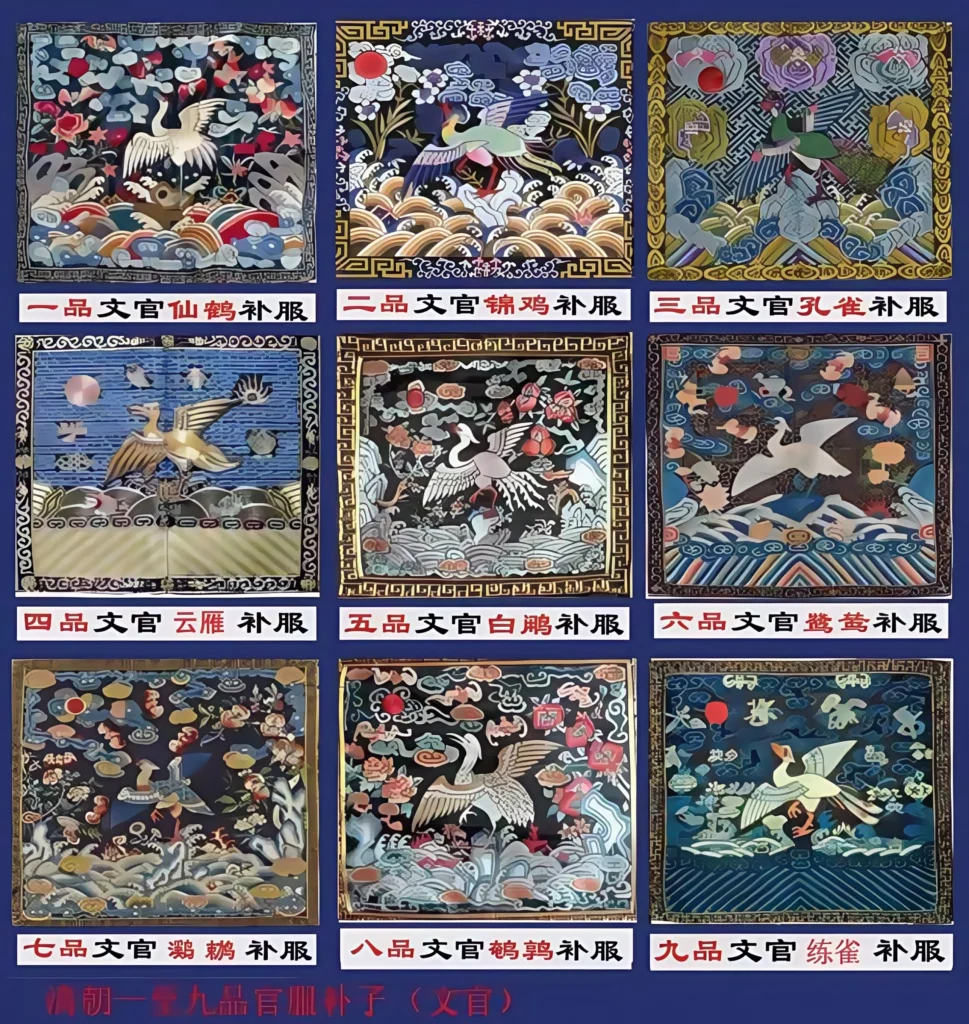
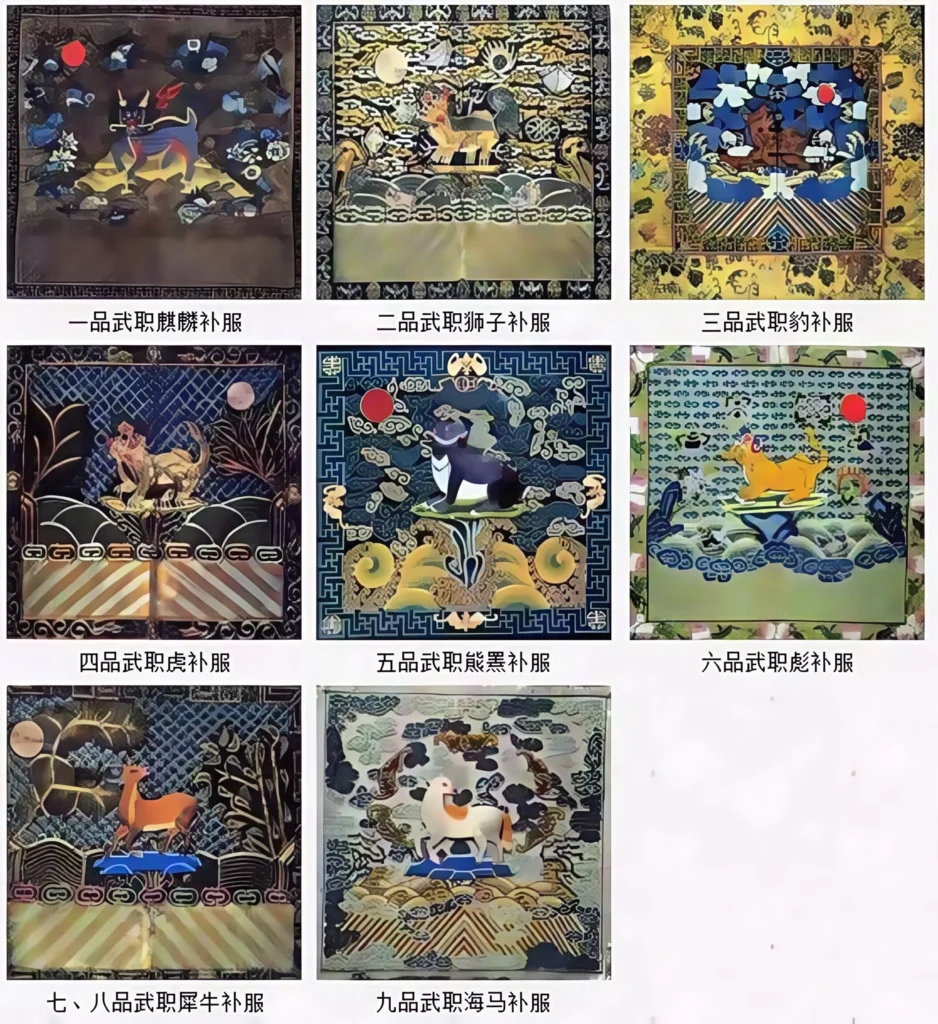
Introduced in the Ming, lasting until the Qing’s end, bufu used birds for civil (e.g., crane for rank 1) and beasts for military (e.g., qilin for rank 1) to denote rank.
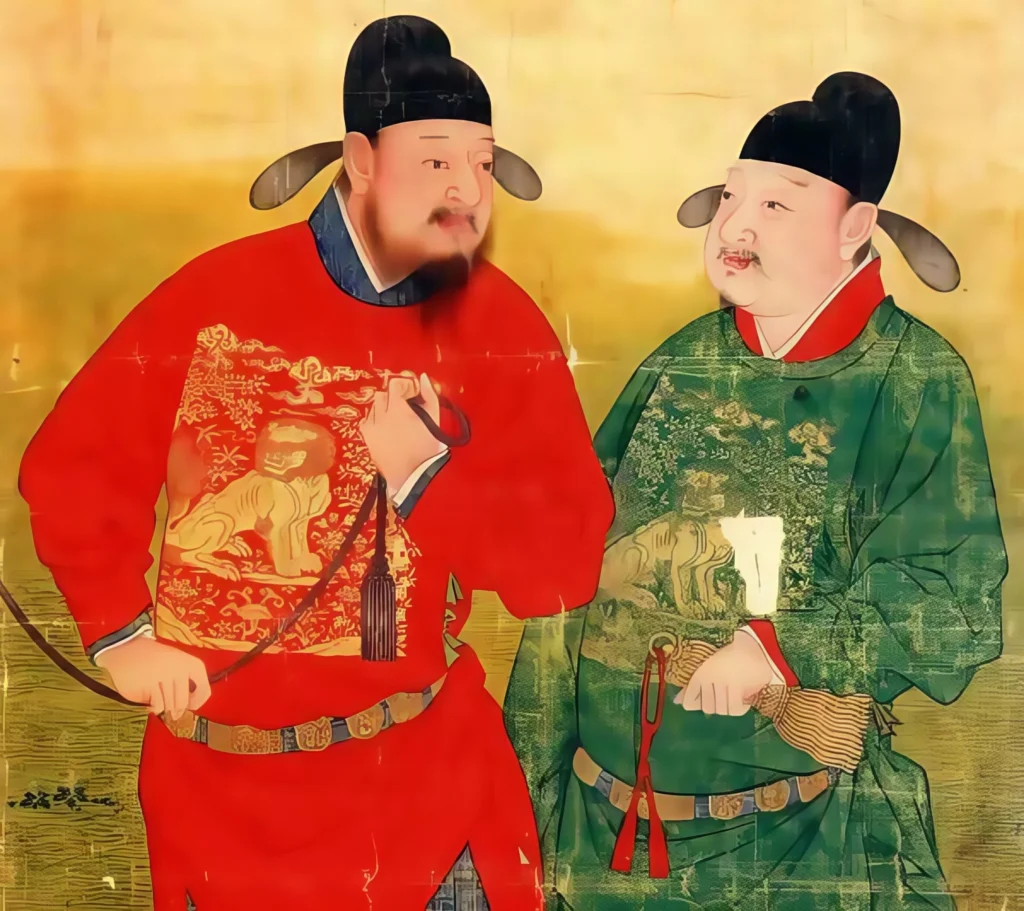
Ming Huibian notes: dukes, marquises, and princes had qilin or white ze.
Civil: elegant birds—rank 1 crane, 2 golden pheasant, 3 peacock, 4 wild goose, 5 egret, 6 heron, 7 mandarin duck, 8 oriole, 9 quail.
Military: fierce beasts—rank 1 qilin, 2 lion, 3 leopard, 4 tiger, 5 bear, 6 leopard, 7-8 rhino, 9 seahorse.
Joseon Official Attire
Joseon kings wore red-base gold dragon robes, queens had phoenix decor, princesses and concubines sported floral patterns, and high officials featured flowing clouds and cranes. Colors included purple, red, blue, and green.
Fly-Fish Robe
Ming Jinyiwei wore fly-fish robes for morning/evening duties, livestock checks, made of cloud brocade (decorated gauze, silk, or cotton), with embroidered spring knives—second only to python robes. In Zhengde 13, rank 1 got bull robes, rank 2 got fly-fish robes. Ming Shi notes: in Hongzhi, even nobles couldn’t wear them without severe punishment. Later, only rank 2 ministers could, with Jingtai and Zhengde adding fly-fish, bull, and qilin robes as rewards.
Military Uniform
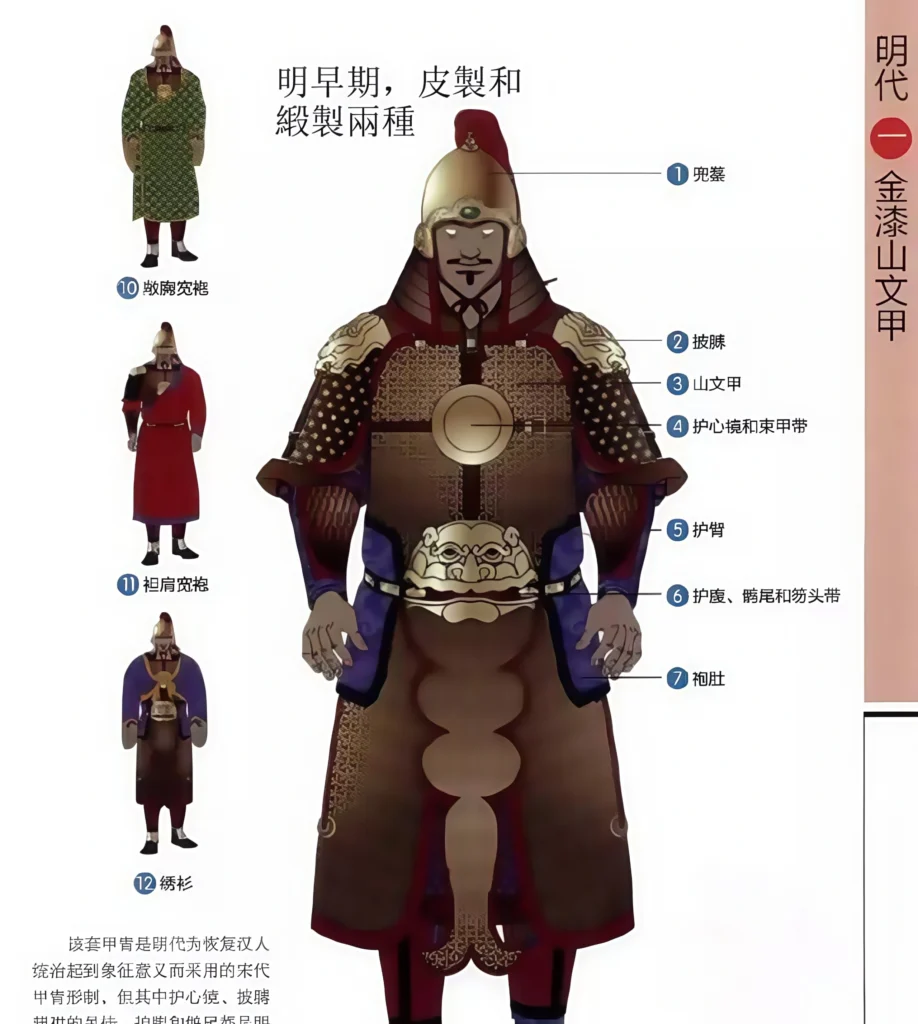
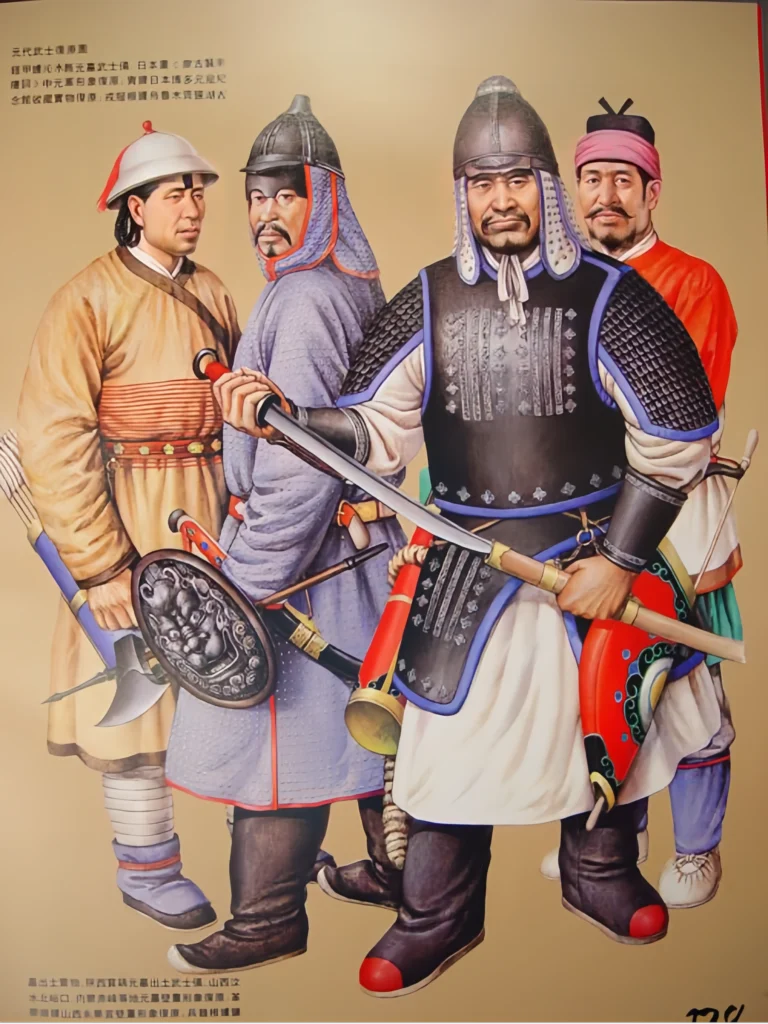
Ming soldiers wore padded jackets (“fat jackets”), knee-length with narrow sleeves, cotton-filled, red-hued. Cavalry used cross-over styles for horseback. Helmets were copper or iron, rarely leather. Officers’ armor used copper/iron “mountain” plates, lightweight and precise, while soldiers wore chainmail with iron net skirts and boots.
Confucian Scholars
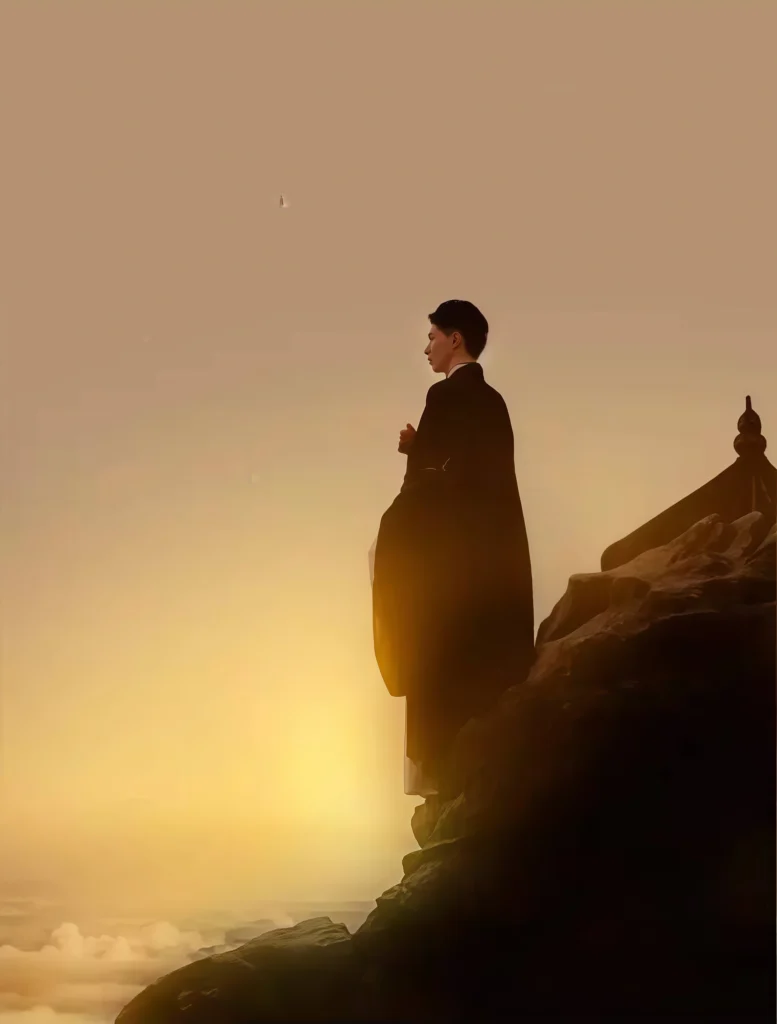
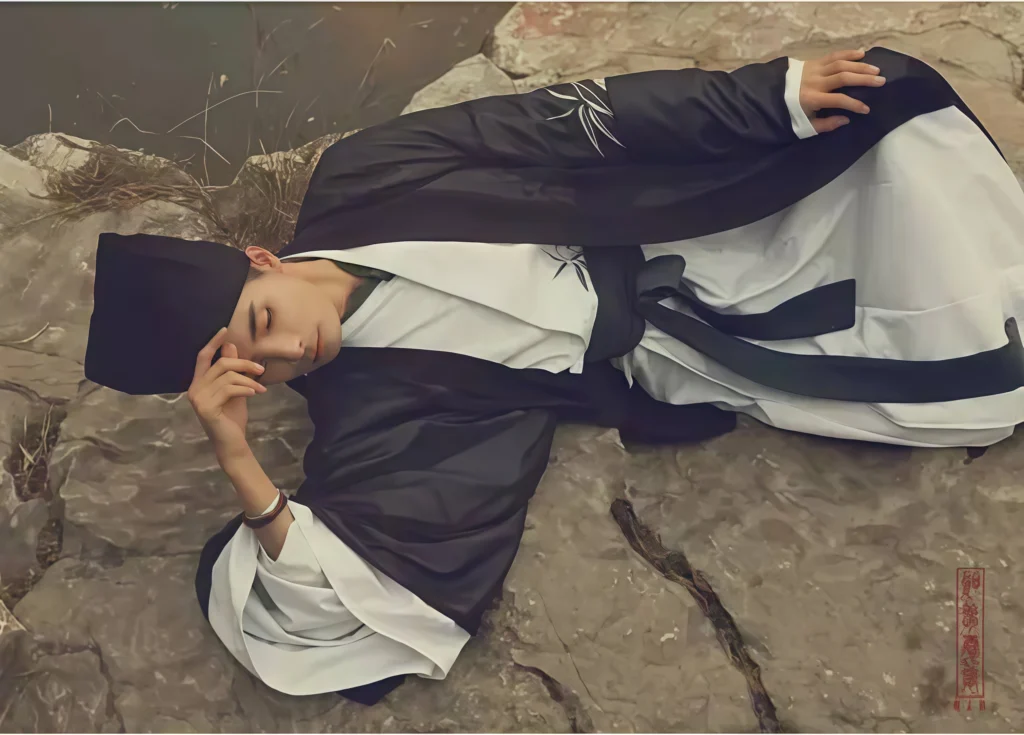
Scholars wore blue or black long robes, or straight Zhiju, a style from the Song Dynasty. Zhao Yanwei’s Yunlu Mantiao says, “Ancient mid-layers are today’s monk straight robes.” Song Zhiju was monk wear (some scholars too), but Ming saw changes, popular among literati. Ming men favored square hats with round collars, plus Taoist robes, straight-body, or Zhiju cross-collars.
Ming scholar hats included four-square Pingding towels, or black soft “zao towels” with double tails, called “Ru towels.”
Four-square towels, or Pingding towels, were early Ming soft square hats, black gauze, foldable, trapezoid-shaped, worn by officials and scholars.
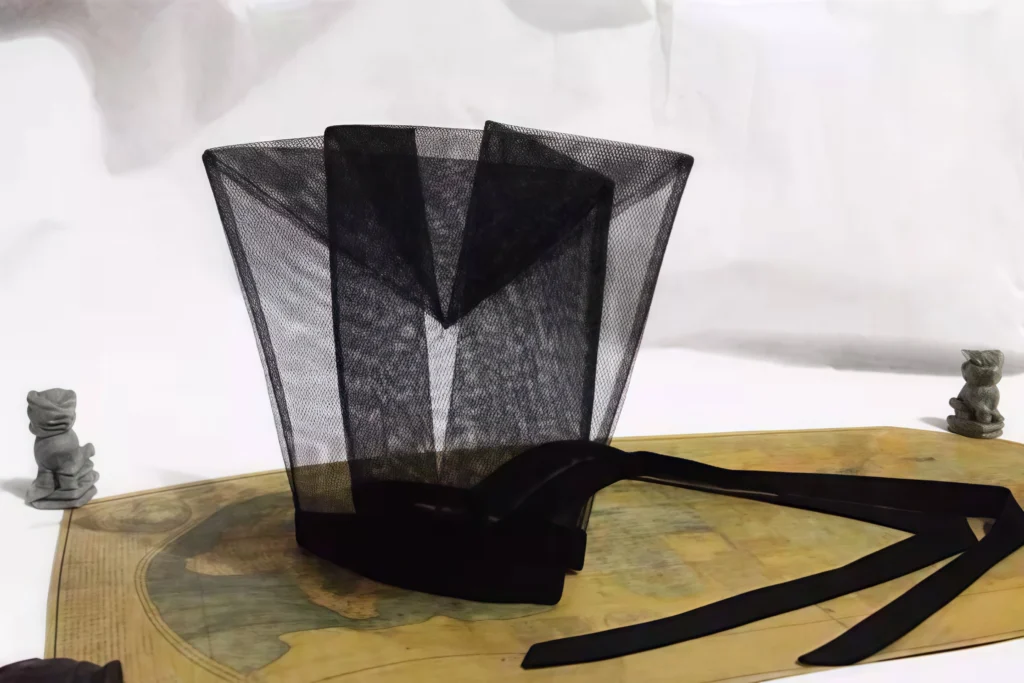
Net towels, woven from black silk, horsehair, or palm, shifted to human hair or mane in Wanli, were hairnets symbolizing Ming identity, worn by all regardless of rank.
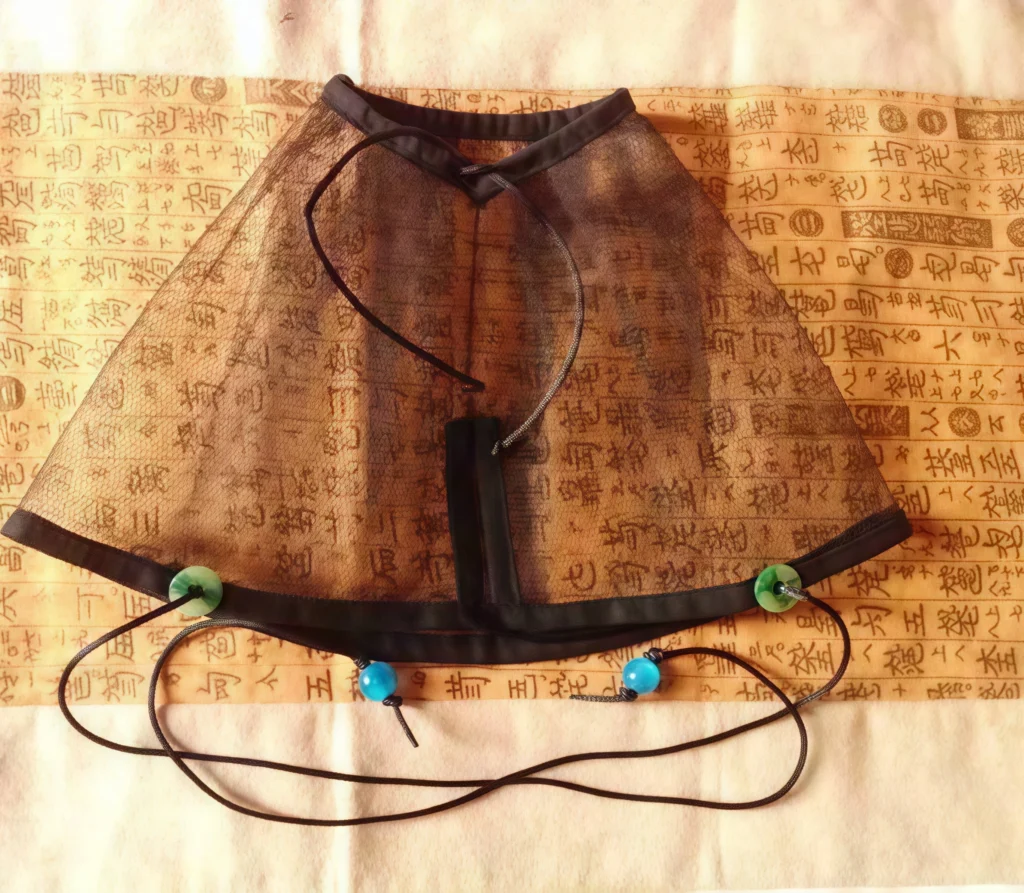
Six-in-One Unity Hat, or Liuhe towel, a “small hat” from six silk pieces, used by commoners, said to be Emperor Taizu’s design, symbolizing unity. Ma Juyuan’s three-stitch technique, called “Ma Three Stitches,” was legendary.
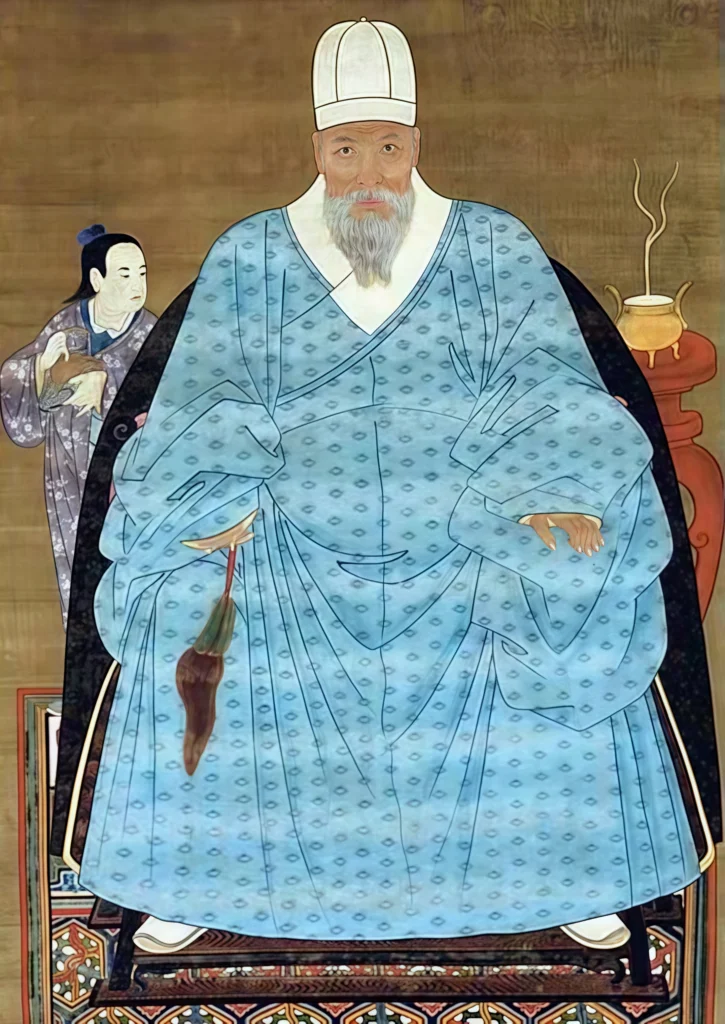
Joseon Confucian Attire
Since Confucianism thrived, Joseon scholars wore white ramie deep robes based on Liji • Shenyu, called Dacangyi, Zhongzhimo, or Xiaocangyi. Deep robes, typically straight-collared, were casual wear for the scholar class, some with square collars.
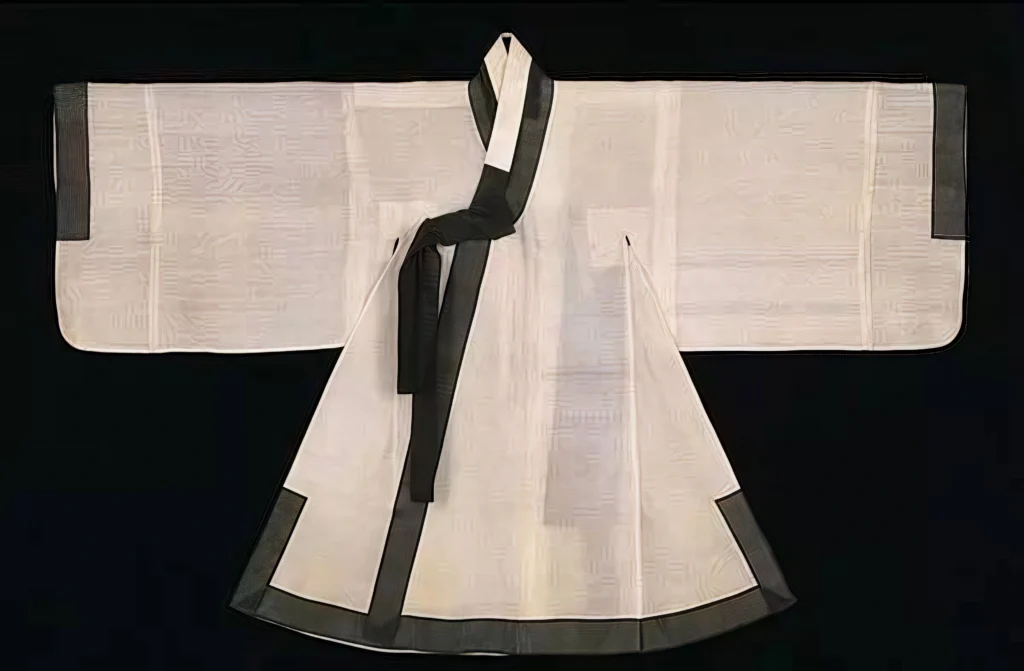
Commoner Attire
Commoners’ round-collar shirts avoided black, purple, green, willow yellow, ginger yellow, and bright yellow, using blue or ochre freely, called “mixed round-collars.”
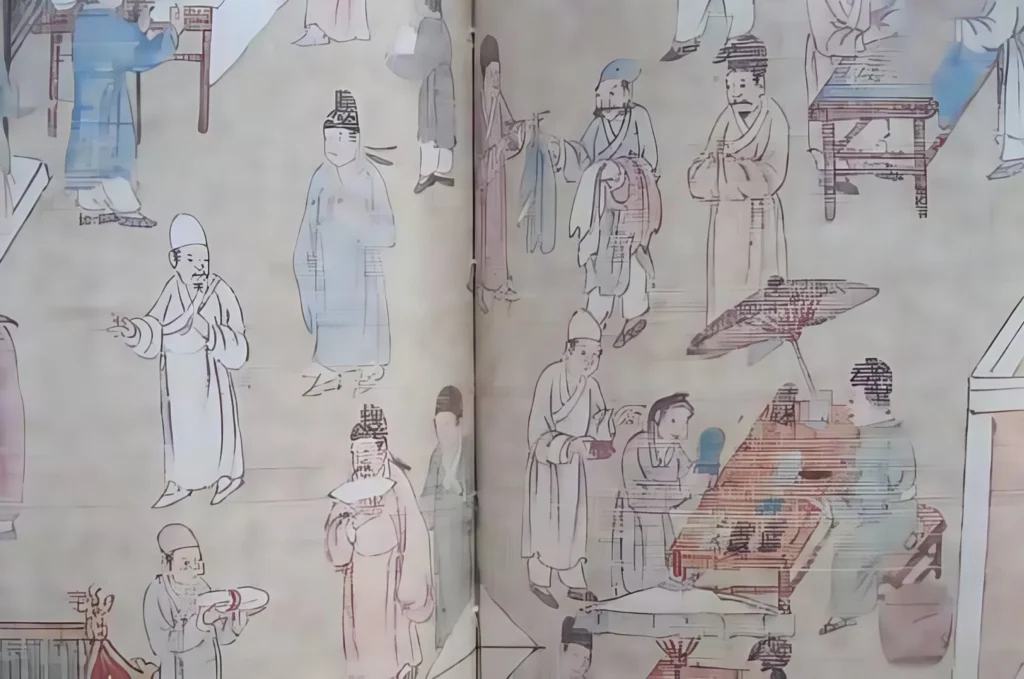
Farmers wore silk, gauze, silk fabric, or cotton. Farmers could wear bamboo or straw hats in town; old farmers’ sleeves passed hands, commoners’ robes were 5 inches off ground, sleeves 6 inches past hands, 1-foot cuffs, 5-inch openings.
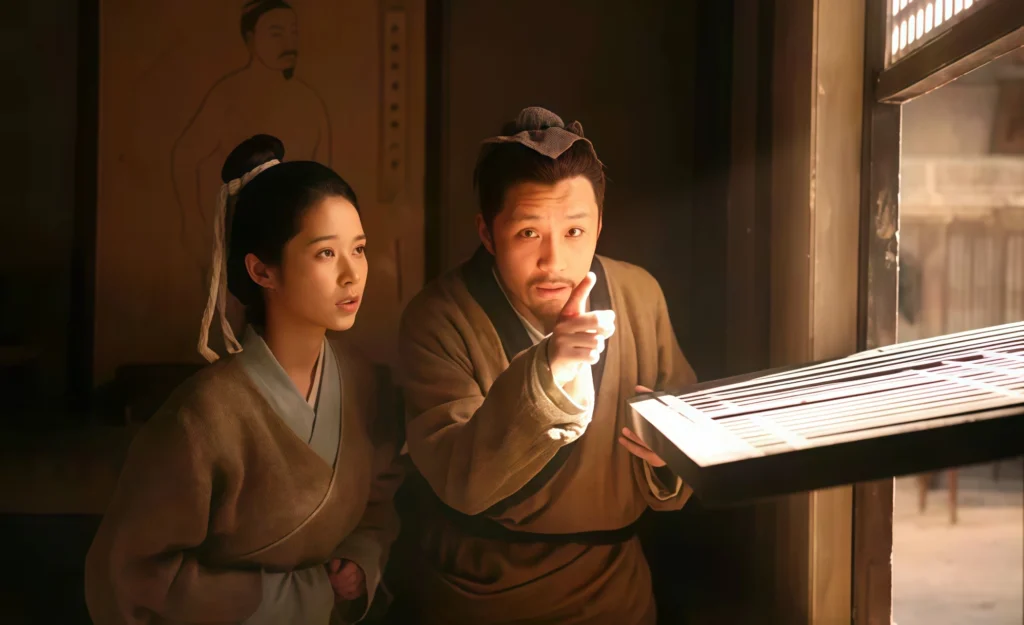
Joseon Commoner Attire
Men’s basic Hanbok, “Ggulibagi,” included Ggulri and pants with tied cuffs, ideal for sitting.
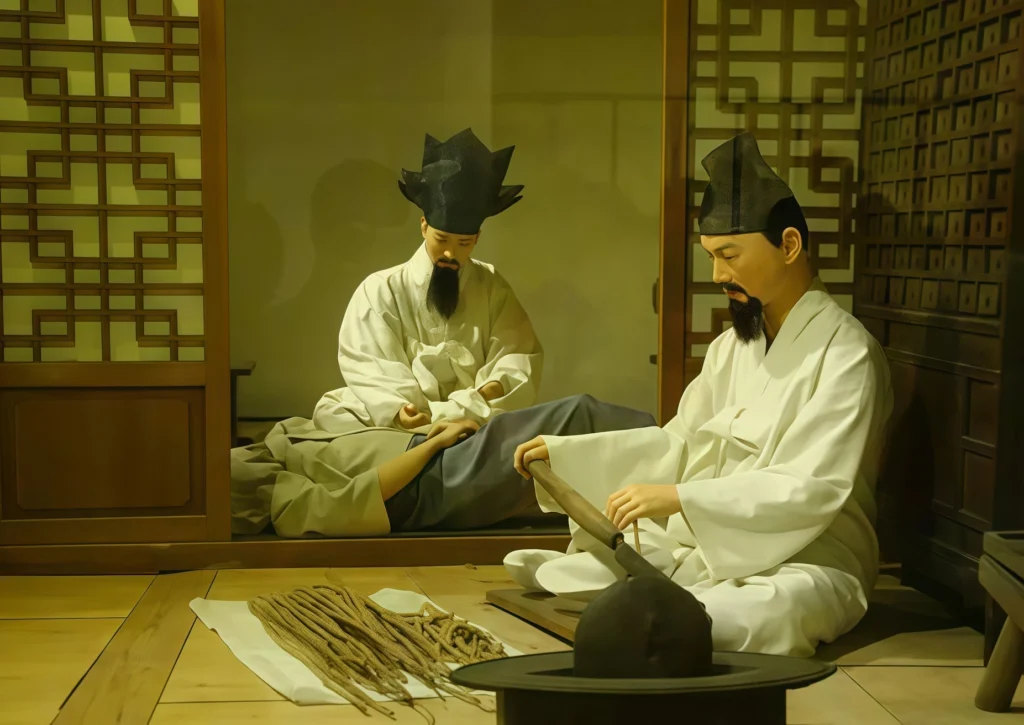
Men braided hair until marriage or adulthood, then tied topknots with gauze hats or Chengzi crowns for scholars, or headscarves/straw hats for commoners.
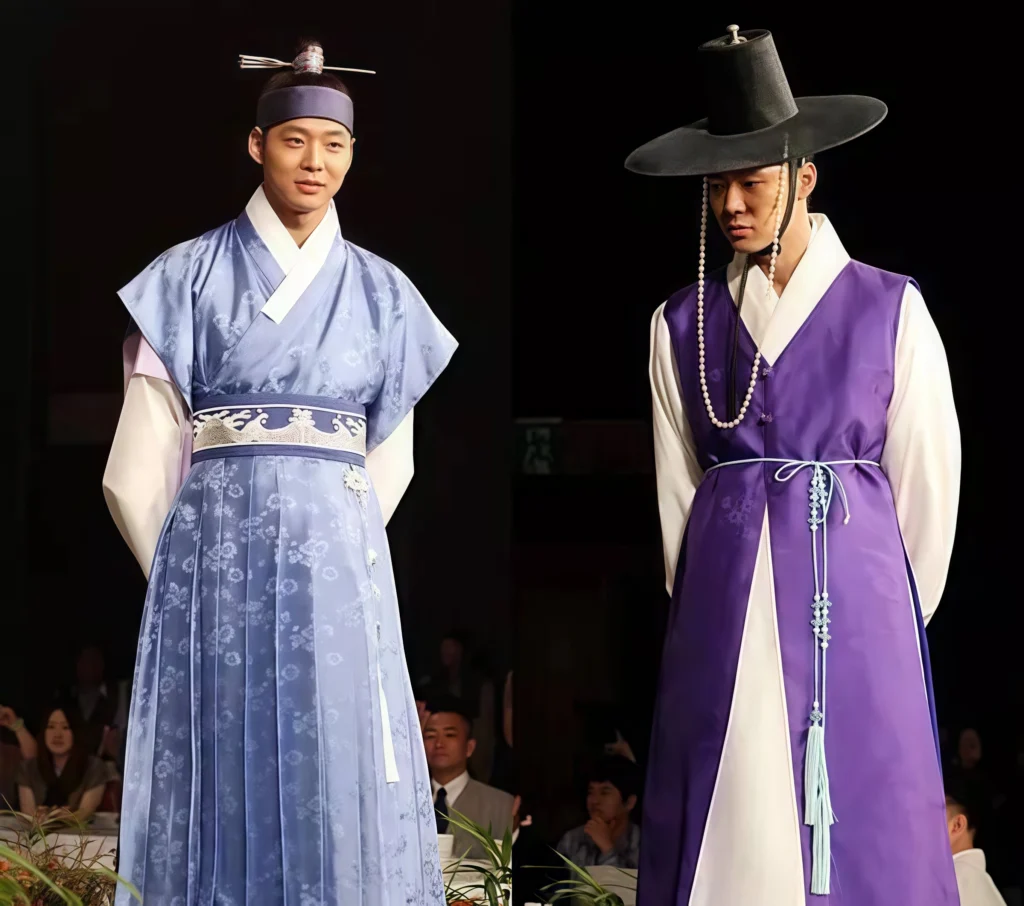
Women’s Clothing
Key pieces: shirts, Aos, Xiapei, Bijia, skirts. Noblewomen’s attire included phoenix crowns, Xiapei, big-sleeve shirts, and Beizi.
Phoenix Crown and Xiapei
Phoenix crowns used metal mesh bases with inlaid phoenixes and jeweled tassels; queens’ had dragons too, while noblewomen’s had flower hairpins.
Xiapei, like two colorful ribbons, draped over the chest with a gold-jade pendant, a Song tradition carried into Ming, with strict patterns by rank.
Empress Attire
Ceremonial robes for Ming empresses, worn for coronations, temple visits, or court events, symbolized nobility with phoenixes paired with dragons. They wore true-red big-sleeve shirts with dragon-phoenix embroidery, Xiapei, red Beizi, and red silk skirts. The phoenix crown, on a gold mesh base with inlaid phoenixes and tassels, had three fans on each side, like a colorful tail. Hongwu 1 set queen attire with Huiyi and nine-dragon four-phoenix crowns, refined in Hongwu 24 to nine-dragon four-phoenix crowns, Zhiyi, and Fu领 mid-layers.
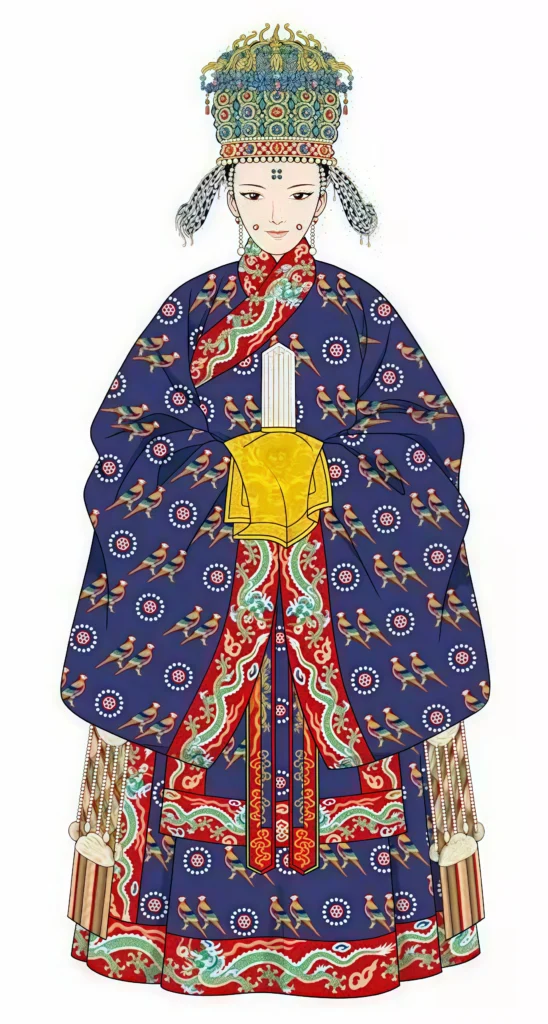
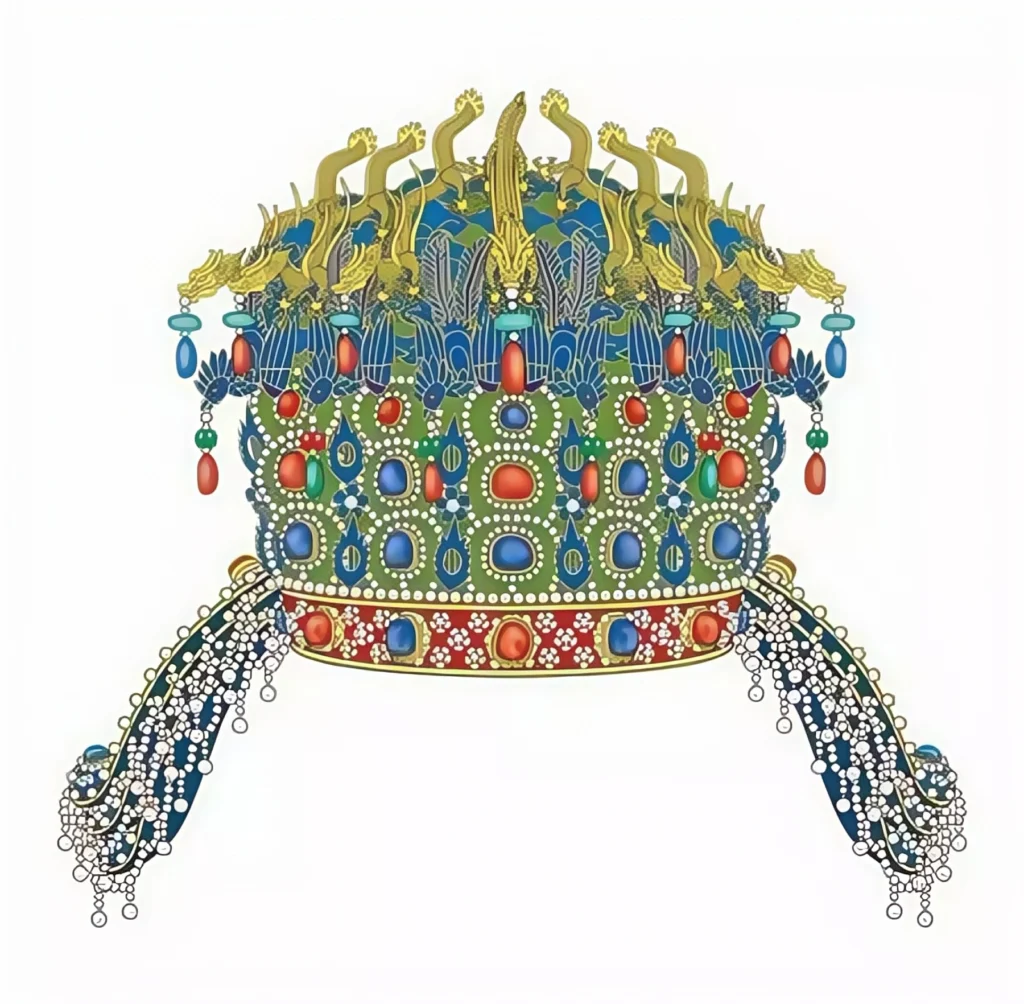
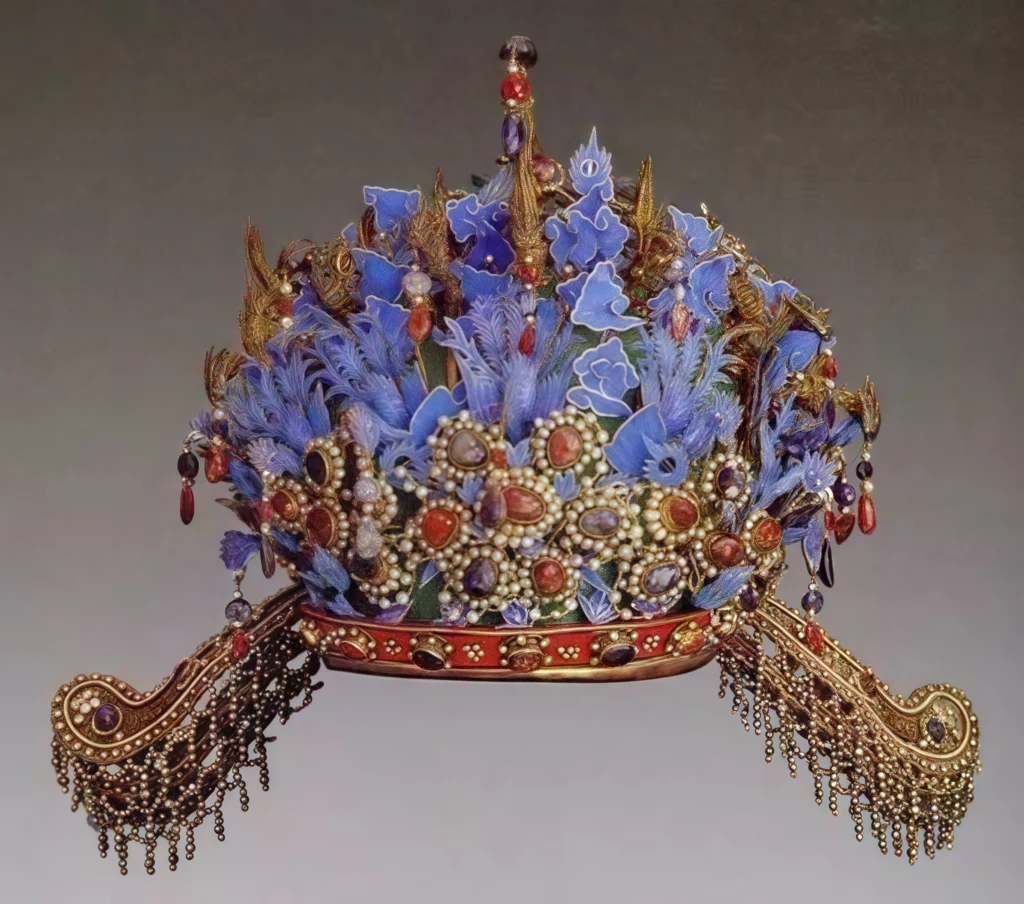
Joseon Empress Attire
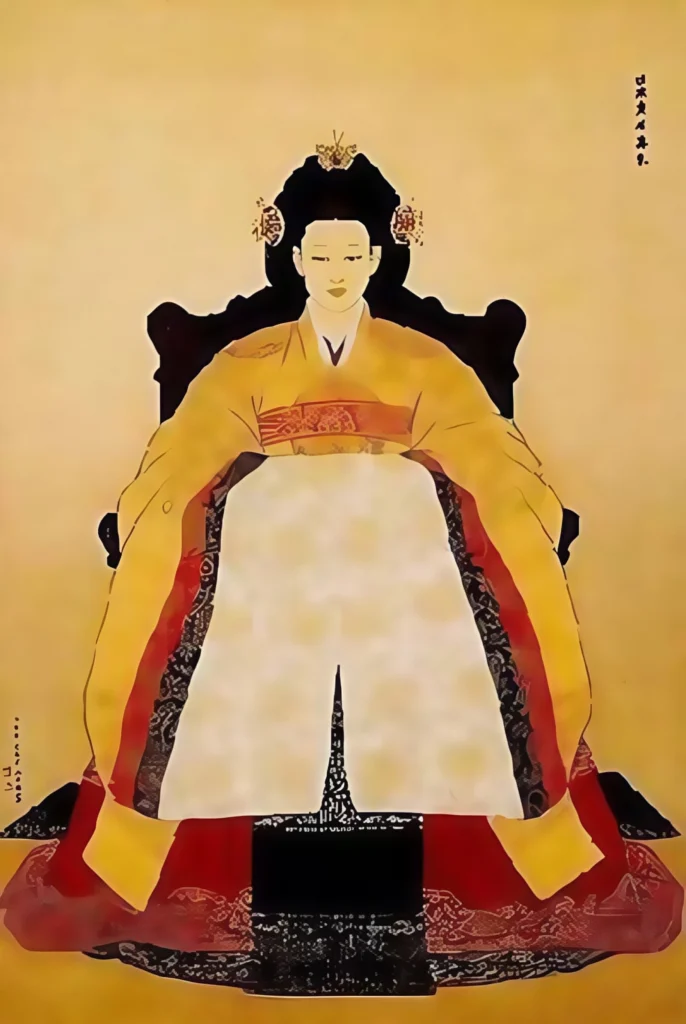
Noblewomen’s attire matched husbands’ ranks, with ceremonial sets of colorful crowns, Xiapei, big-sleeve shirts, and Beizi, distinguished by color and patterns. Crowns lacked dragons/phoenixes, using metal mesh with phoenixes and jeweled tassels, ranked by hairpins.
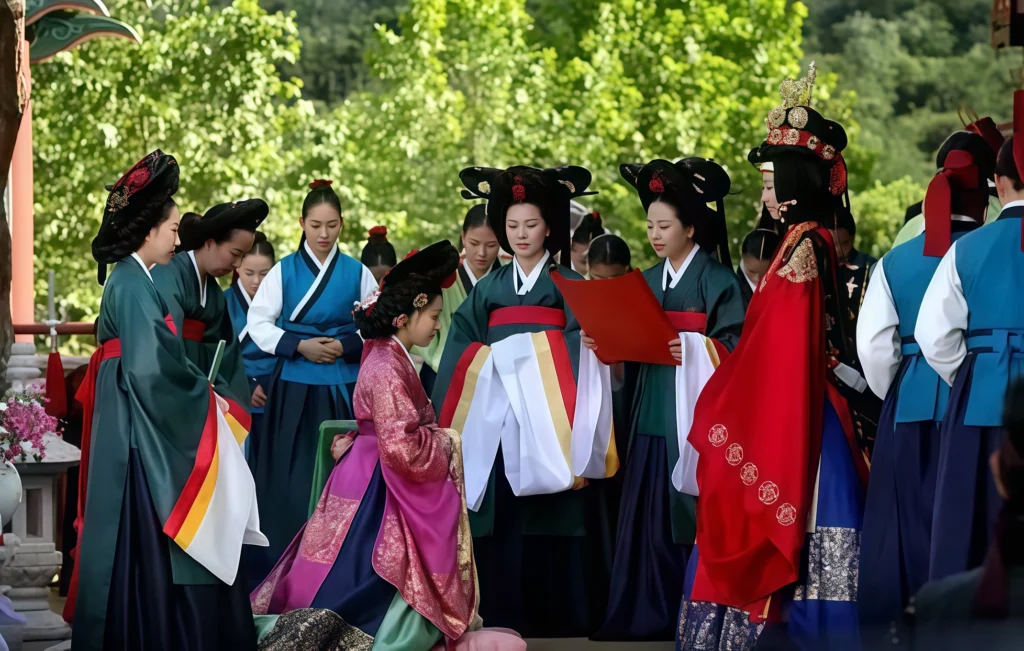
Xiapei was for noblewomen, with rank-specific decor: ranks 1-2 had gold-embroidered cloud-pheasant patterns, 3-4 gold cloud-peacock, 5 cloud-mandarin duck, 6-7 cloud-magpie, 8-9 entwined flower patterns.
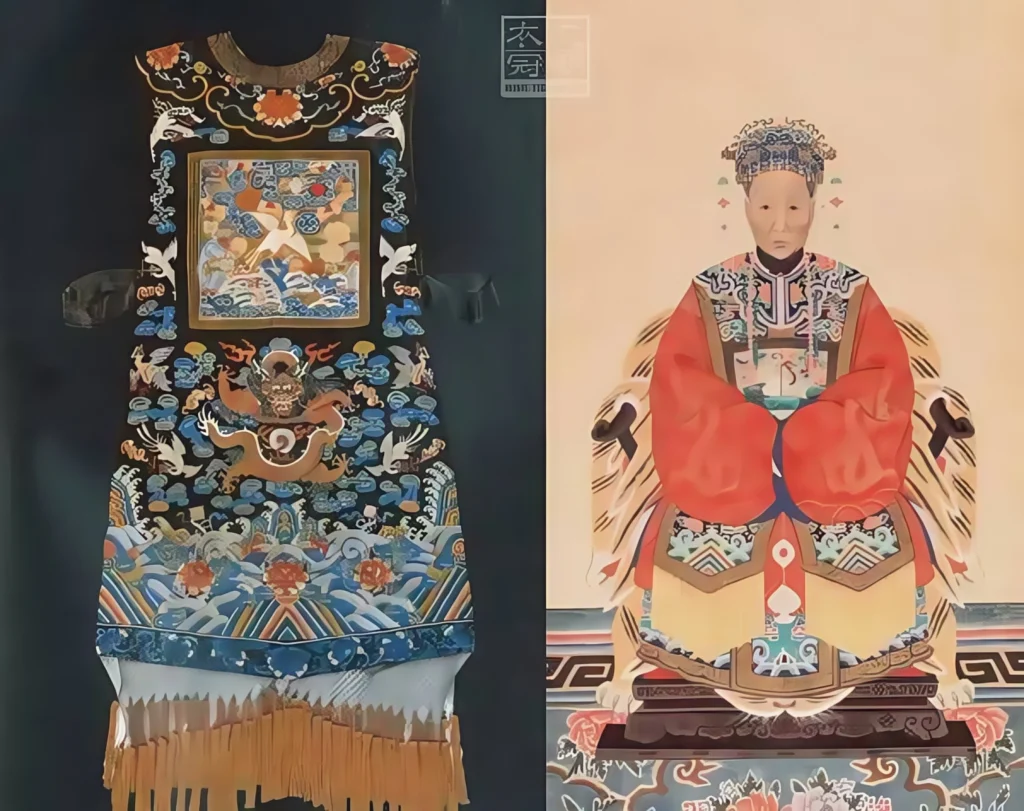
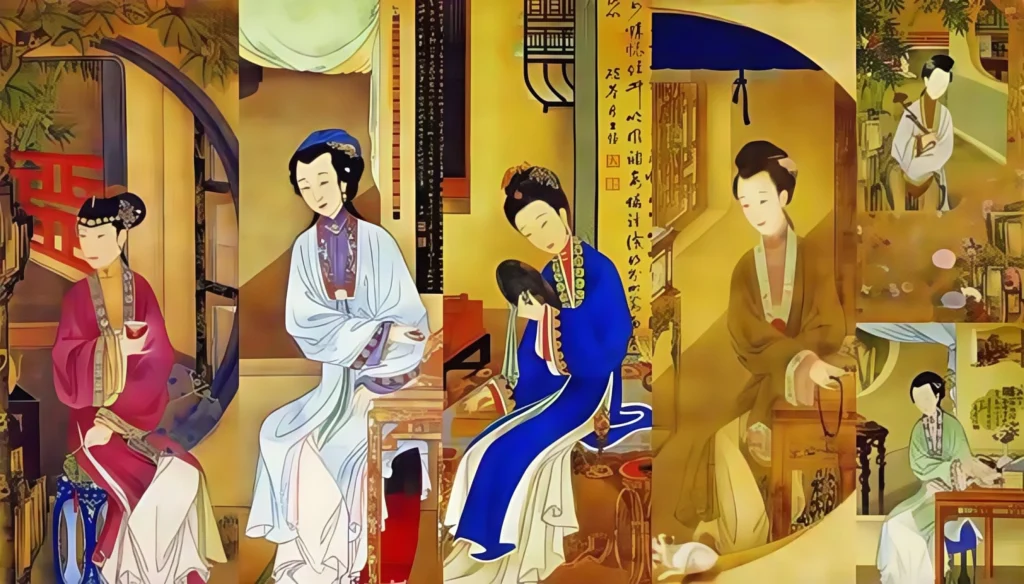
Noblewomen wore big-sleeve cross-collared shirts. Ranks 1-5 used purple, 6-7 scarlet, with strict jewelry rules—hairpins and jade were top-tier, gold next. Casual wear was long Aos and skirts, Aos past knees with edged collars in purple-green, paired with plain wide skirts like pleated, phoenix-tail, or moon-hua styles.
Kuoyi
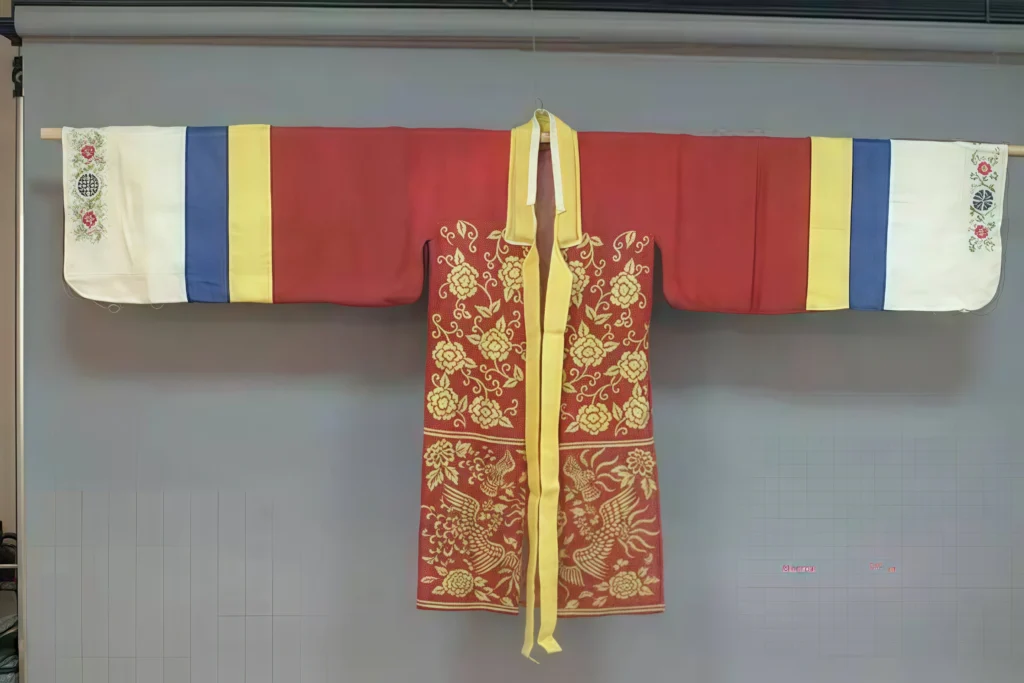
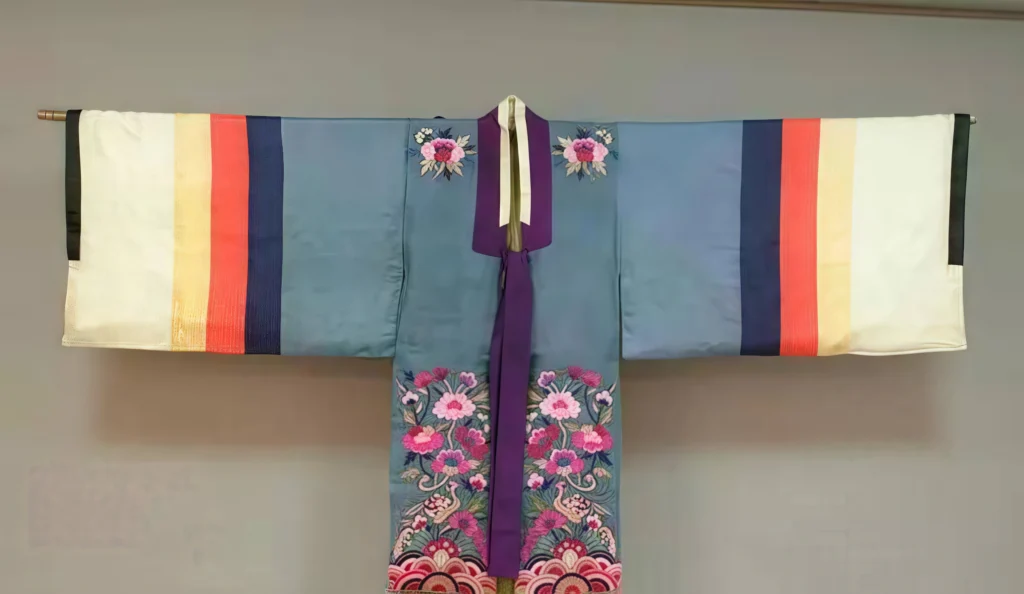
From long Beizi, Kuoyi in Joseon symbolized longevity, luck, and wealth. Ceremonial versions used red tribute satin or patterned satin, blue plain linings.
Yuanshan
From long Beizi, Yuanshan was formal wear for royal/noble women and ladies, made of silk with gold foil rank decor on shoulders, chest, and back, worn over Ggulri skirts.
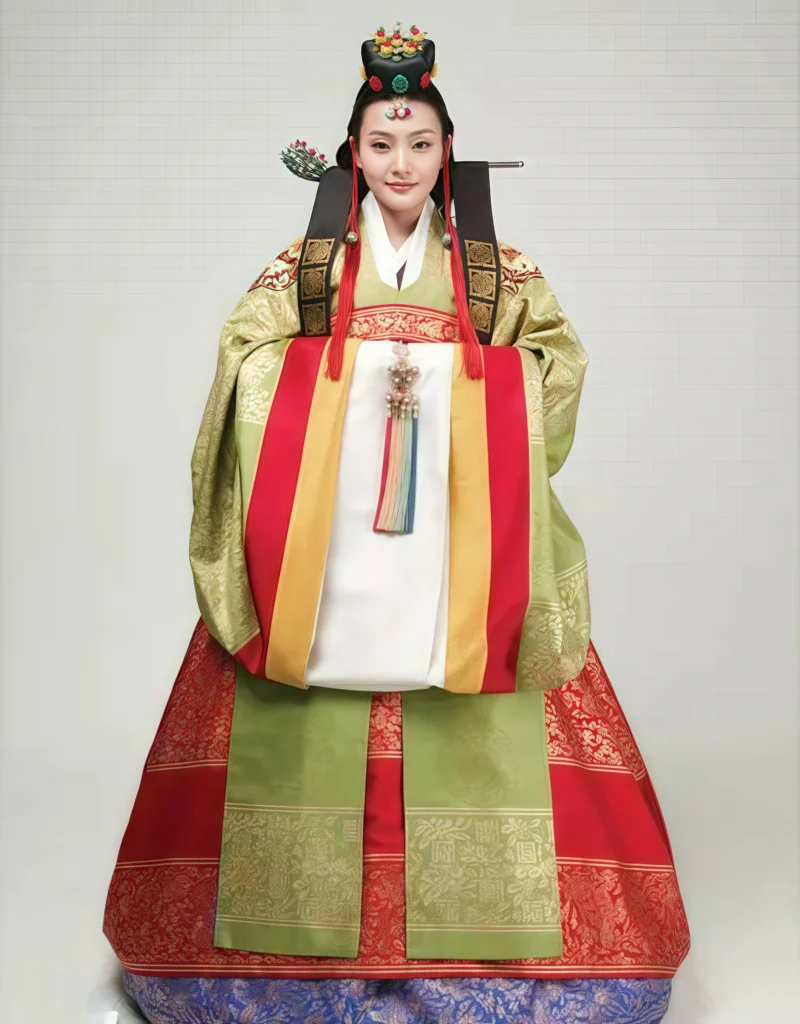
Tangyi
From short Beizi, Tangyi had a drooping Ggulri front, a secondary formal wear for royal/noble women at big events, with gold edges for royals, plain for others.
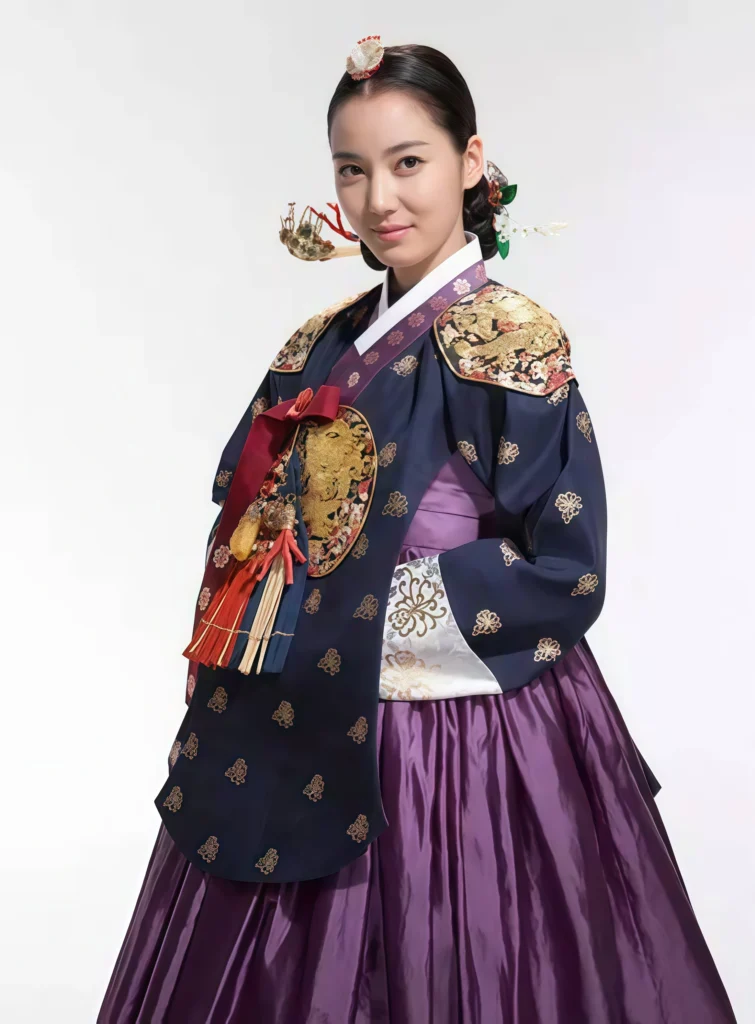
Married women or high-ranking palace ladies (Sanggung, Sangui, Sangfu) wore Jia Ti (fake buns), evolving into multi-layered styles, with noblewomen sporting three-plus layers and palaces using wooden buns.
Commoner Women’s Attire
Ming women’s skirts were the most diverse, refined, and color-harmonious across dynasties, building on Tang-Song Ru skirts and Beizi with embroidered cloud shoulders for extra dazzle.
Ming Cloud Shoulders
Common women wore skirts, Beizi, Aos, cloud shoulders, and robes. Beizi and Bijia weren’t just for nobles—straight, cross-collared, small-sleeve Beizi were everyday wear.
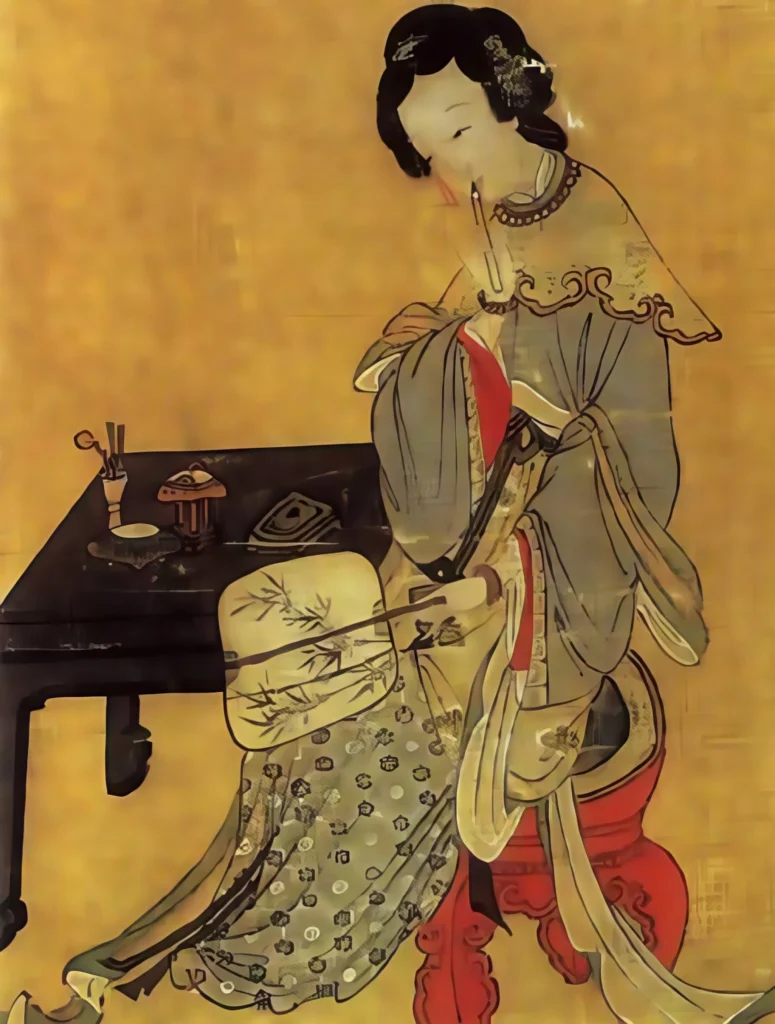
Ming Bijia
Even ceremonial wear for commoners was limited to purple coarse cloth, no gold embroidery, with robes in purple, green, light blue, or peach. Jewelry used silver-gilt, gold pearl earrings, silver bracelets.
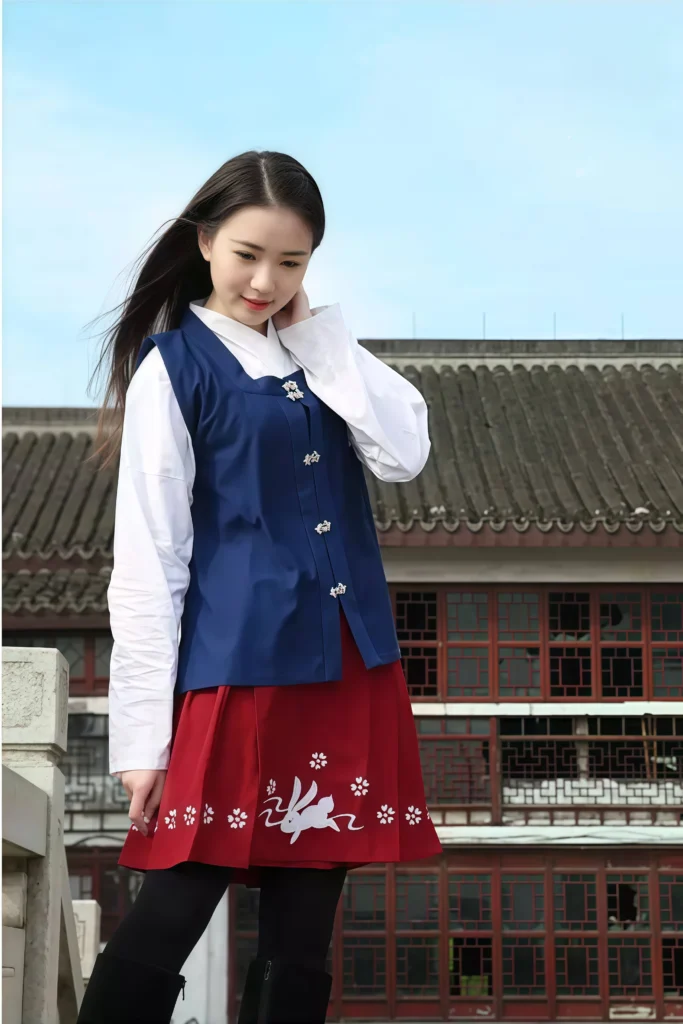
Ming rulers restricted servants, maids, and entertainers: senior maids wore narrow-collar long Aos and skirts; junior maids, long-sleeve short tops and skirts. Entertainers wore green scarves with degrading meanings.
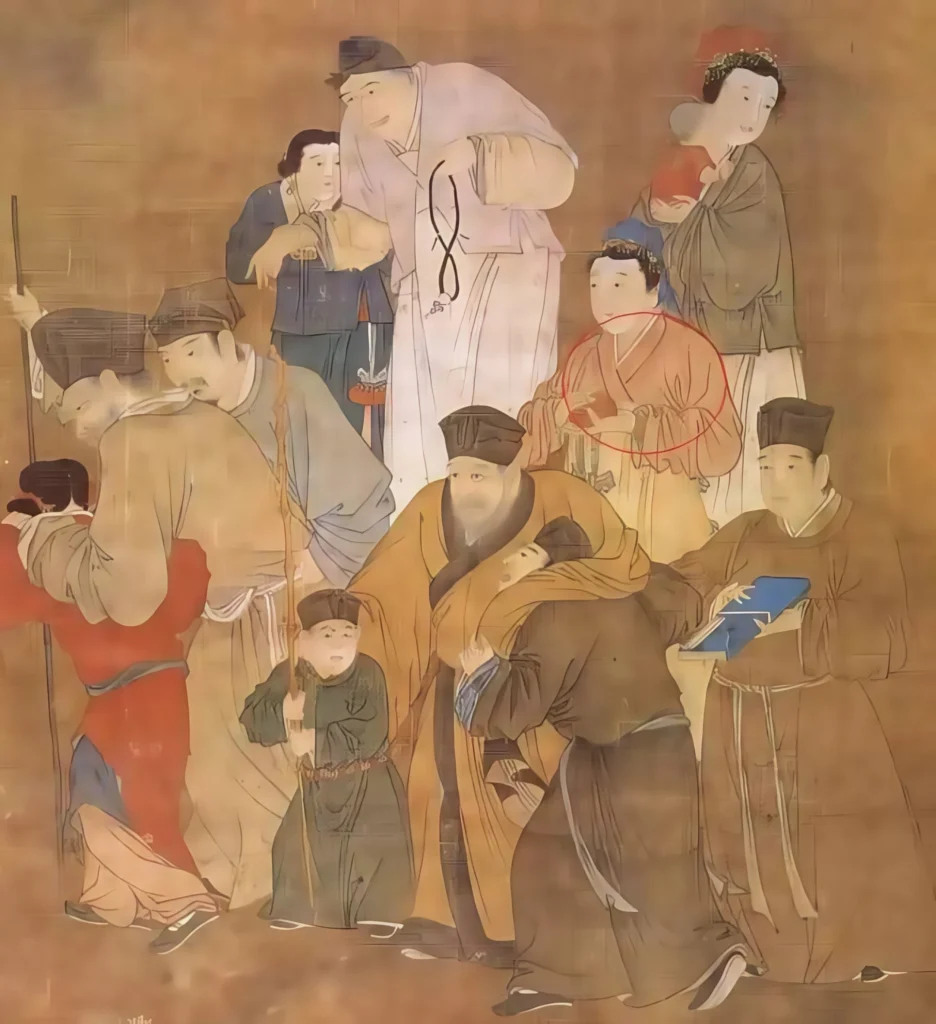
Joseon Commoner Women’s Attire
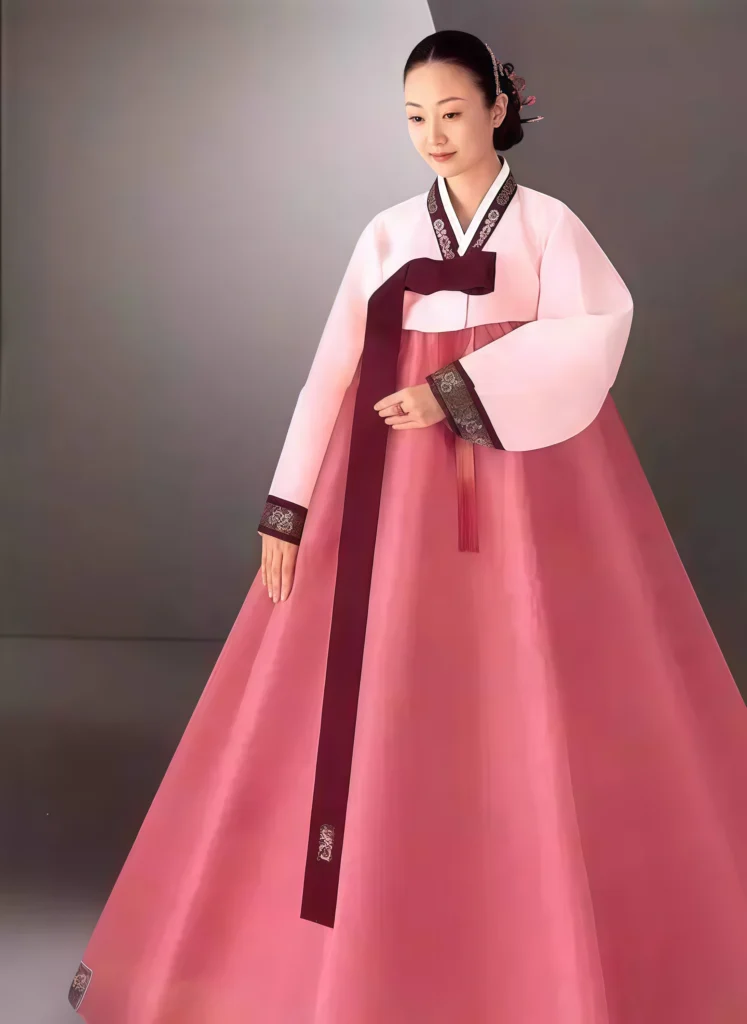
Hanbok varied by age and occasion, using different fabrics and colors. Unmarried girls wore bright red skirts and yellow tops with colorful sleeve stripes; some adult singles coiled braids with Tangji belts. Married women chose red skirts and green tops; older women picked bold, patterned fabrics.

Responses