On Song Dynasty Clothing

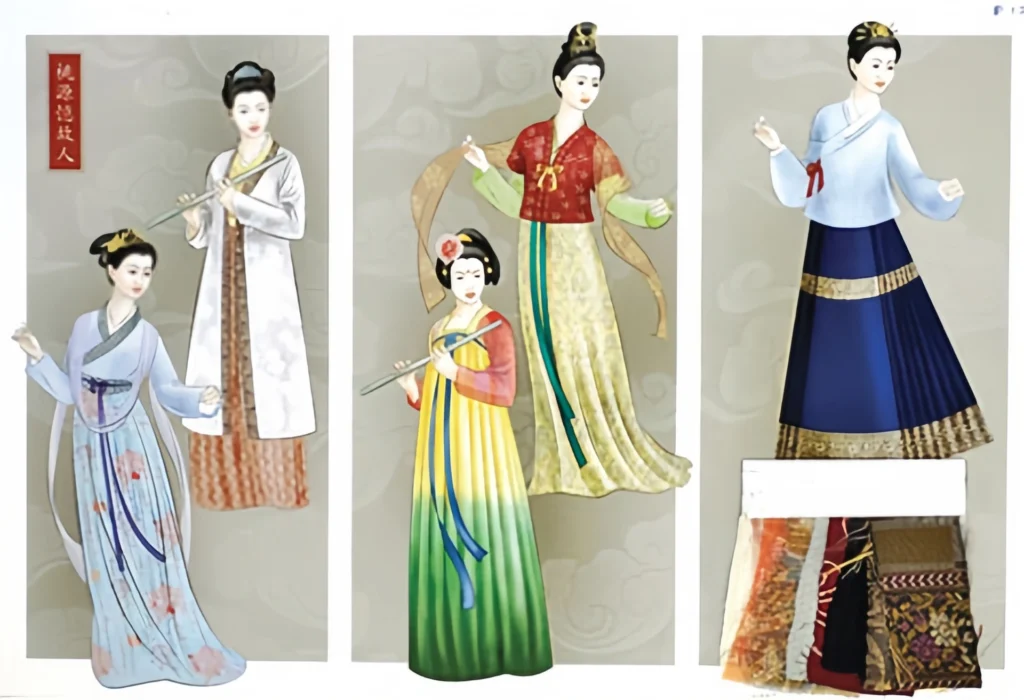
Song clothing
Song Dynasty attire inherited much from Tang traditions, yet gradually developed a style of its own. Influenced by the rise of Neo-Confucianism, Song clothing emphasized ideas such as “preserving heavenly principle and restraining human desire.” This mindset was reflected in many aspects of life. In architecture, for example, buildings often featured white walls and black tiles, with beams and columns left unpainted to show the natural color of the wood. This pursuit of restraint and simplicity became even more evident in Song clothing, where elegance gave way to a preference for naturalness and understated beauty.
Women’s clothing in the Song Dynasty was especially diverse, even more varied than men’s attire. Upper garments included ru, ao, shan, daxiu, beizi, and banbi, while skirts were worn as the lower garment. Padded ao were worn in winter, and lighter shan in summer. The ruqun remained a common everyday outfit for women. Its relatively fitted design made it practical for daily work, which explains why it was widely favored in Song dynasty women’s clothing.
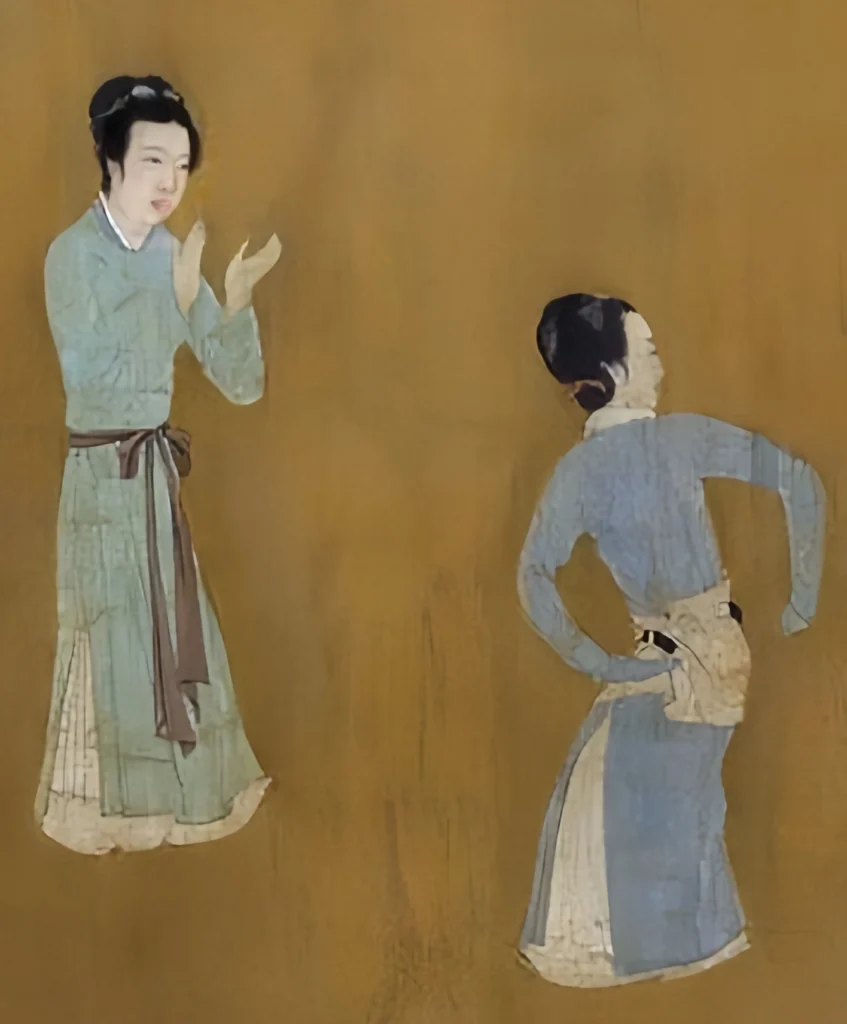
The Song dynasty beizi was a common women’s garment that emerged during the Song Dynasty. It was worn by women across all social classes, from empresses and imperial consorts to maids, attendants, performers, and musicians. The Song dynasty beizi was an outer garment with a straight collar and a front opening, usually extending past the knees. Sleeves could be wide or narrow, and slits were left under both arms—often over two chi in length—an uncommon feature among women’s clothing of the time.
Among aristocratic women, a garment known as the daxiu was particularly popular. Named for its wide and voluminous sleeves, the daxiu was usually worn with a long skirt, xiapei, and jade pendants.
Women’s skirts of the Song Dynasty largely followed the styles of the late Tang and Five Dynasties periods, typically made from six or more fabric panels. There were many named styles, such as shiliu skirt, double-butterfly skirt, and embroidered silk skirt.
Women from wealthy families often dyed their skirts with turmeric or aromatic herbs, creating garments that emitted a soft fragrance when worn, known as yujin skirts. Some skirts featured fine pleats throughout and were called hundred-pleat skirts, while others had delicate central pleats known as hundred-fold skirts. Skirts were tied at the waist with silk sashes, often with decorative pendants hanging down. Compared to the luxurious fabrics and bold colors of Tang clothing, Song women’s attire appeared more refined, graceful, and quietly elegant.
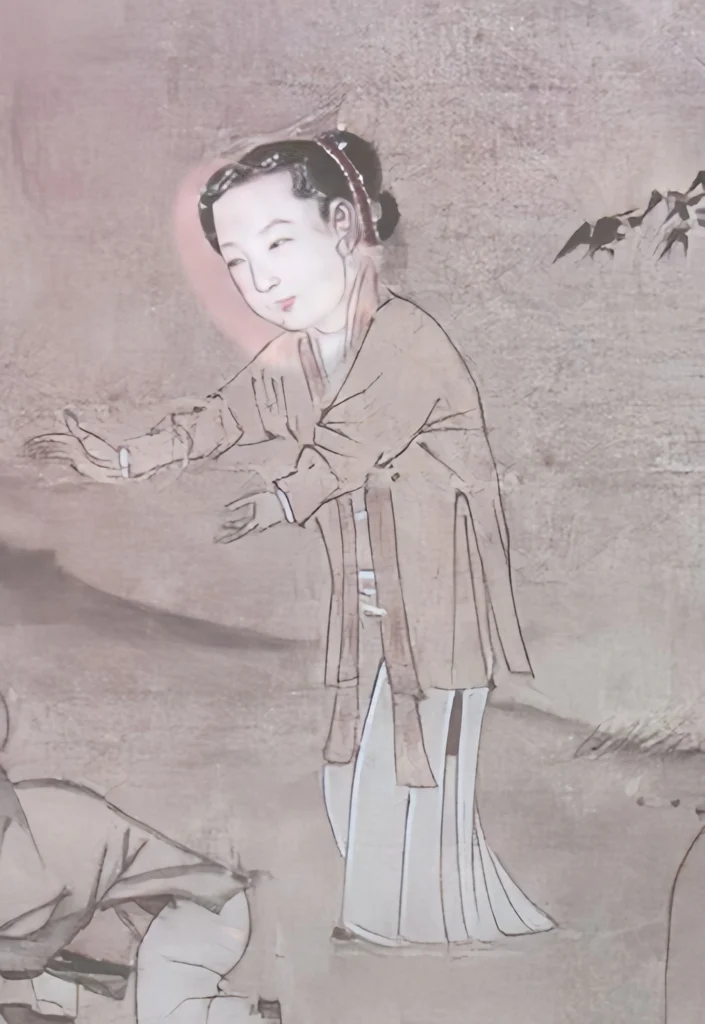
Among Song clothing, the Song dynasty beizi deserves special attention. Also known as beizi or beizi, it was a front-opening garment with the sides left unsewn below the arms, usually worn over other clothing. It evolved from garments such as the banbi or zhongdan. Both men and women wore it during the Song Dynasty, and its form varied widely depending on usage and period.
Originally worn by women of lower status, the Song dynasty beizi gained popularity due to its comfort and ease of movement. Over time, it became favored by women of all classes—from imperial consorts and noblewomen to commoners—and eventually evolved into a type of everyday ceremonial wear. It was a defining garment of Song dynasty women’s clothing and remained popular through the Song and Ming dynasties.
As for its name, one explanation from the Song period suggests that the beizi was originally worn by maids and concubines, who often stood behind the mistress of the household—hence the term beizi, meaning “behind garment.” Women of higher status wore daxiu, while maids wore beizi with side slits under the arms for ease of movement. Early Song beizi were shorter in length, but gradually became longer, eventually developing into a standard form with sleeves wider than those of a shan and a length matching that of the skirt.
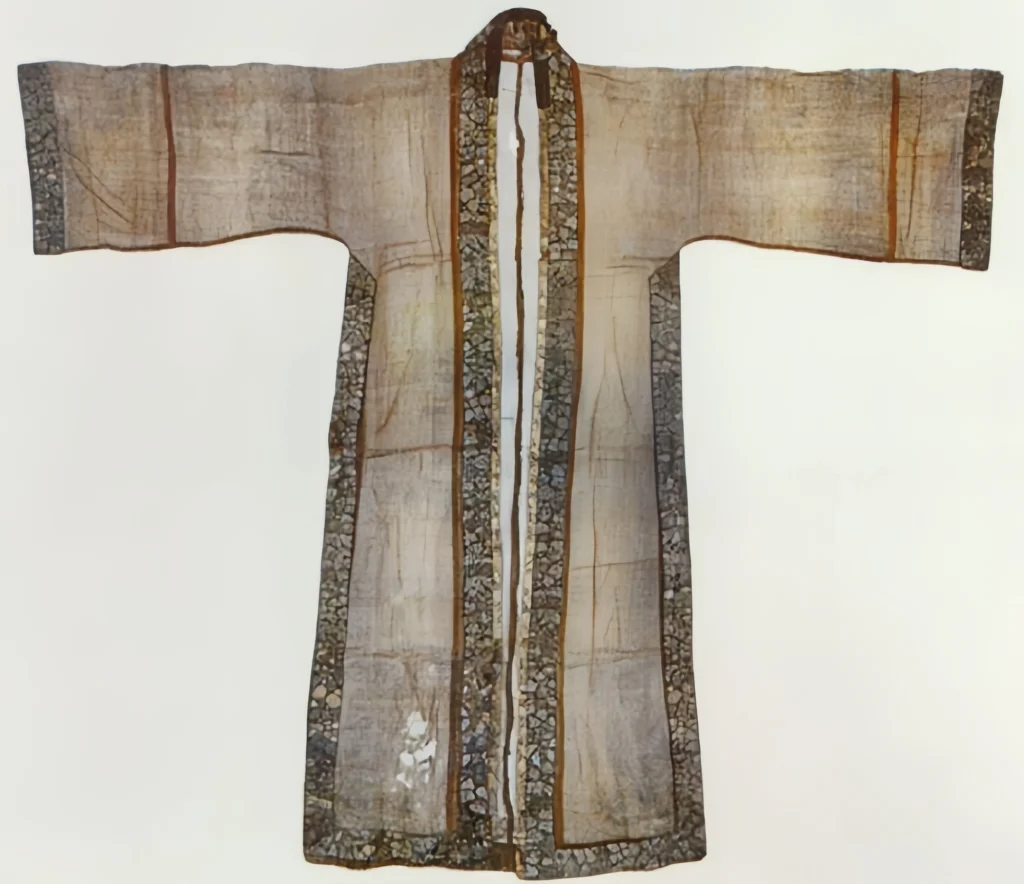
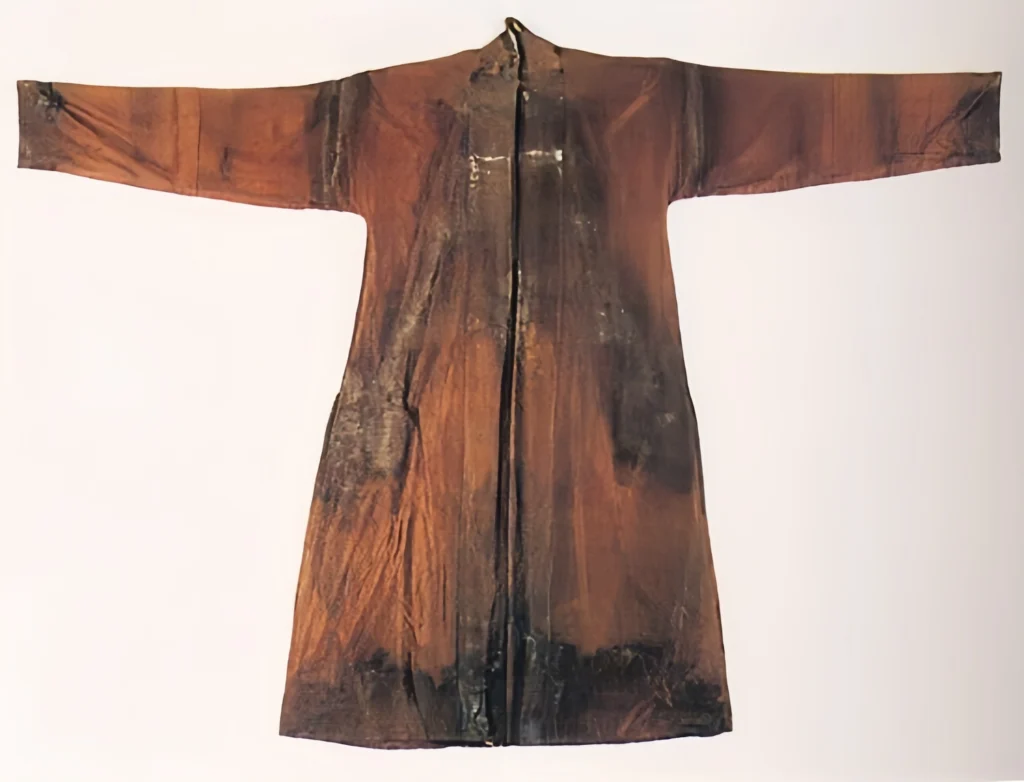
The beizi typically featured a straight collar with a front opening. The two front panels were not stitched together and had no fastenings. Sleeves could be wide or narrow. Length varied greatly—some reached above the knees, some to the knees, some to mid-calf, and others down to the ankles. Side slits might extend from the hem up to the waist, all the way to the armpits, or be omitted entirely.
Song Dynasty beizi collars came in three main styles: straight collar with front opening, slanted collar with crossed front, and rounded collar with crossed front. The straight-collar style was the most common. Slanted and rounded collars were usually worn by men as inner garments beneath official attire, while women almost exclusively wore the straight-collar, front-opening style.
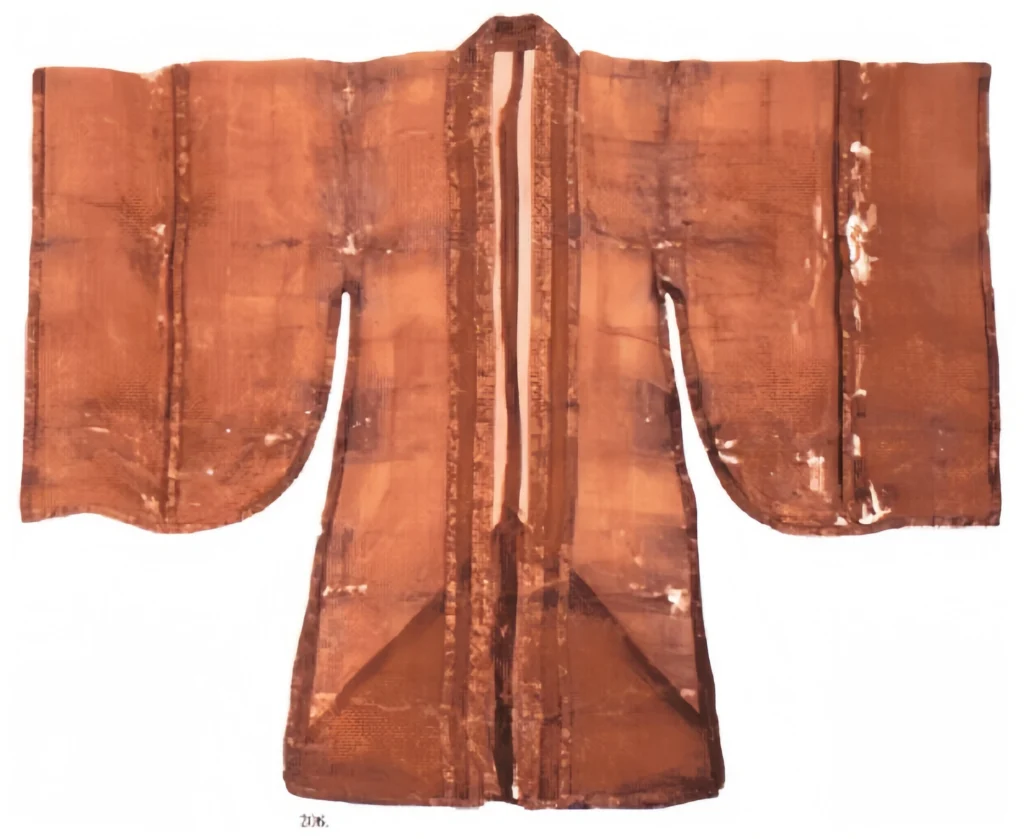
It is remarkable that during the same era, the Song dynasty beizi was loved by people of all ages and social ranks. Women who wore beizi included imperial consorts, princesses, noblewomen, commoners, as well as courtesans and performers from entertainment districts. The beizi became standard daily wear for Song dynasty women’s clothing. In the painting Walking Under the Moon at the Jade Terrace, women dressed in beizi appear calm and refined. Female performers depicted in murals from the Song tombs at Baisha in Yuxian, Henan, also wear beizi, as do attendant figures in the clay sculptures at the Jin Shrine in Shanxi.
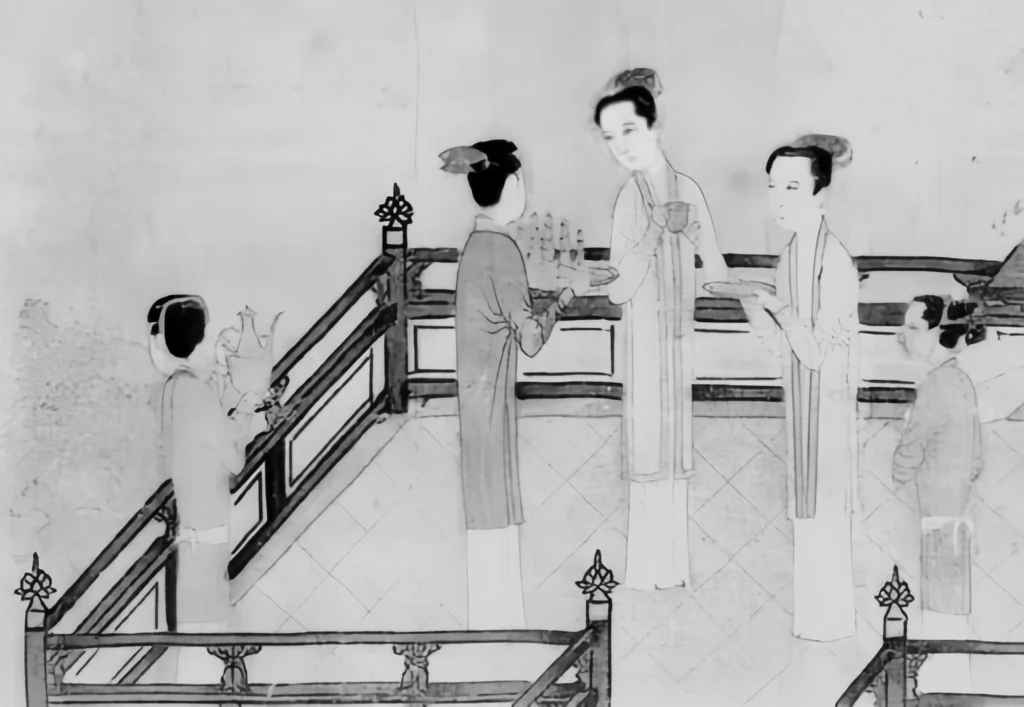
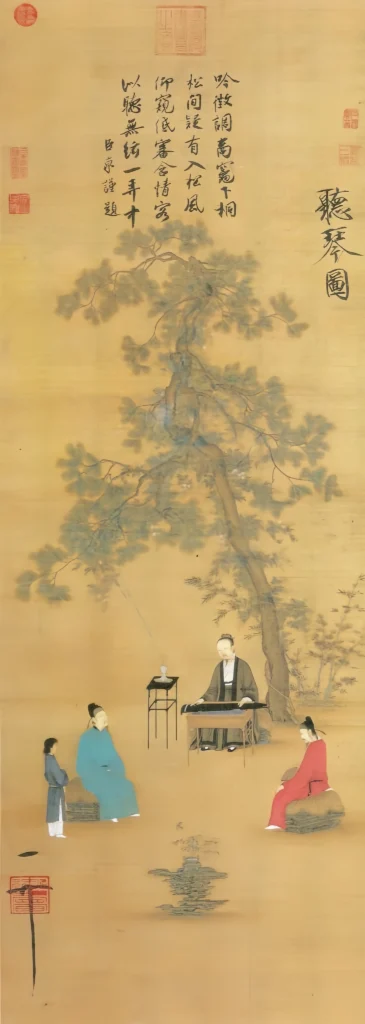
Men of the Song Dynasty—from emperors and officials to scholars, merchants, and ceremonial guards—also wore beizi. However, it was not considered formal attire for men and was mainly worn at home for leisure. With its straight silhouette, lack of fastenings, and flexible proportions in width and length, it was an exceptionally relaxed garment.
In the painting Listening to the Qin, traditionally attributed to Emperor Huizong (though later scholars believe otherwise), even the ruler himself is shown wearing a dark-colored beizi. While beizi crossed gender and status boundaries, it was most commonly worn by the middle and upper classes, as heavy laborers continued to wear short garments and trousers. Clothing worn by these social groups often best reflects the cultural spirit and aesthetic values of an era.
Although widely worn, the beizi was not considered formal attire and was mainly used for everyday and leisure wear. Its simple construction, absence of fastenings, straight silhouette, and minimal decoration fully reflect the cultural psychology and aesthetic sensibilities of the Song Dynasty. Compared to the grandeur of Sui and Tang fashion, Northern Song clothing shifted toward restraint and simplicity. The beizi avoided dramatic curves, low necklines, and oversized sleeves. Its clean lines and understated elegance embodied a design philosophy of achieving beauty through simplicity, capturing the essence of Song clothing at its most refined.
Love Song dynasty women’s clothing?
Check our Hanfu beizi guide for authentic tips!

Responses