The Evolution of Hanfu Fashion


Hanfu fashion, the traditional clothing of the Han Chinese, is a testament to China’s rich cultural heritage, evolving over millennia through dynastic shifts and societal changes. From the loose robes of the Spring and Autumn period to the ornate designs of the Ming Dynasty, Chinese traditional clothing reflects aesthetics, philosophy, and craftsmanship. This article delves into the history of Hanfu fashion, highlighting key styles and their enduring legacy .
Spring and Autumn & Warring States: Foundations of Hanfu
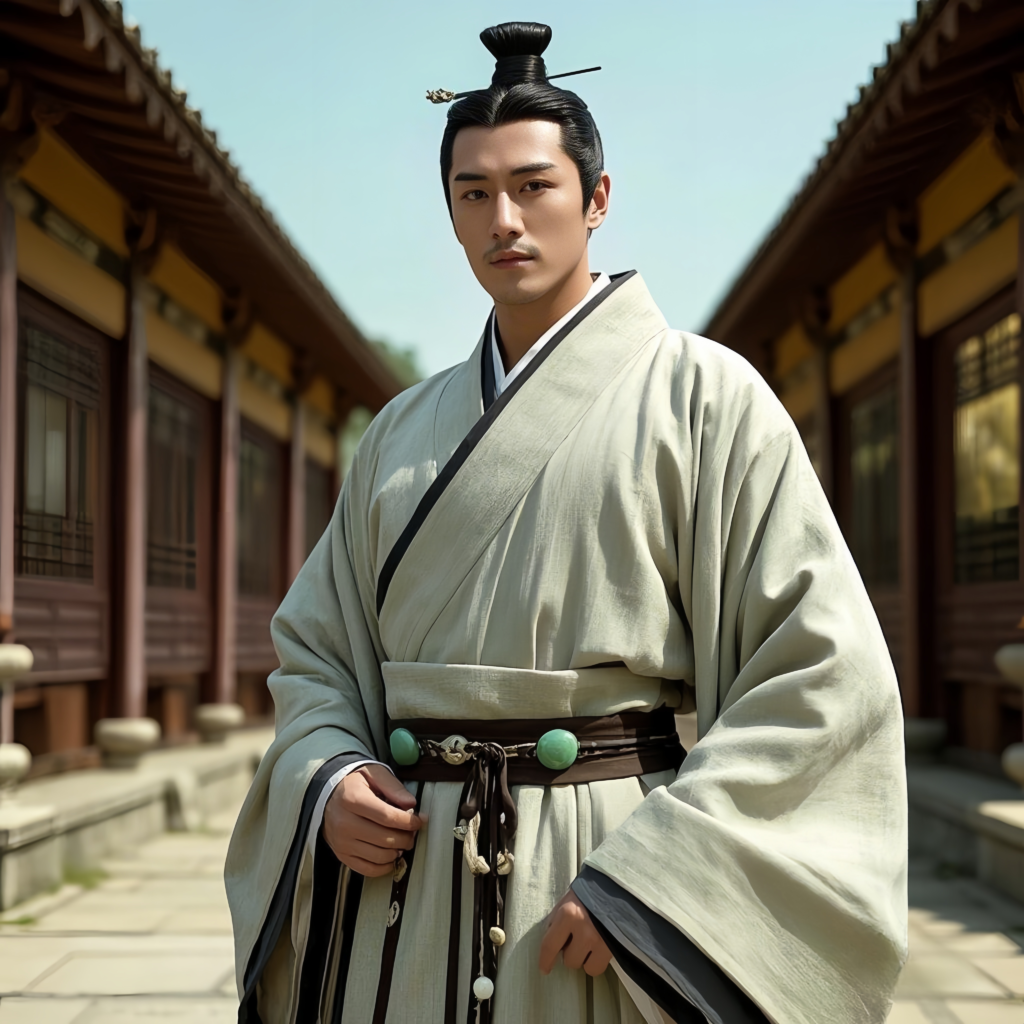
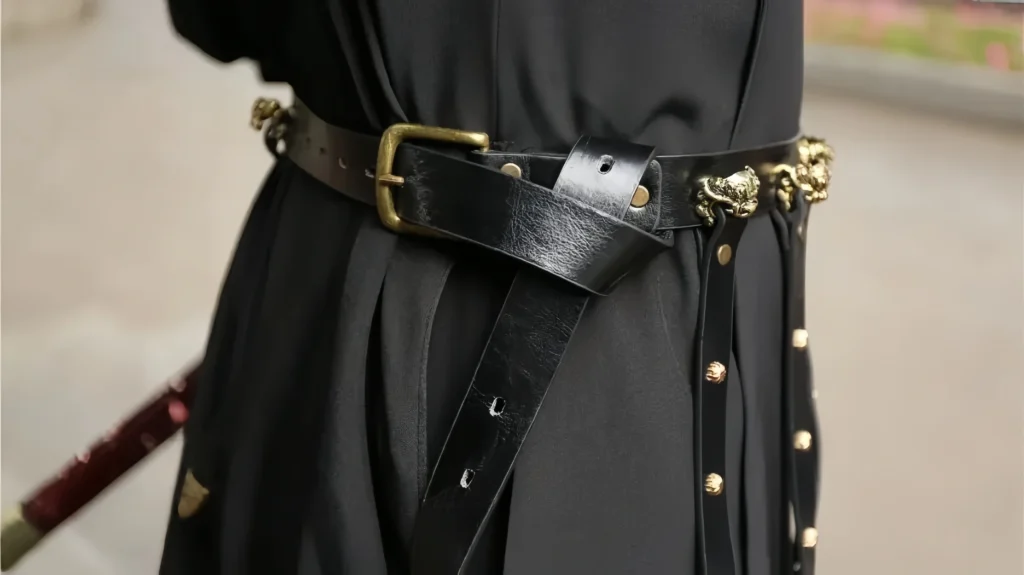
During the Spring and Autumn (770–476 BCE) and Warring States (475–221 BCE) periods, Hanfu fashion built on Shang Dynasty styles but embraced looser silhouettes. Men’s garments featured square collars and varied sleeve sizes, fastened with silk (daidai) or leather (ge dai) waistbands, often adorned with jade. Women wore quju robes with a unique “xu ren gou bian” design, where triangular extensions wrapped around the back, tied with a belt. These early Chinese traditional clothing styles prioritized functionality and elegance, setting the stage for future innovations.
Qin Dynasty: The Black Aesthetic
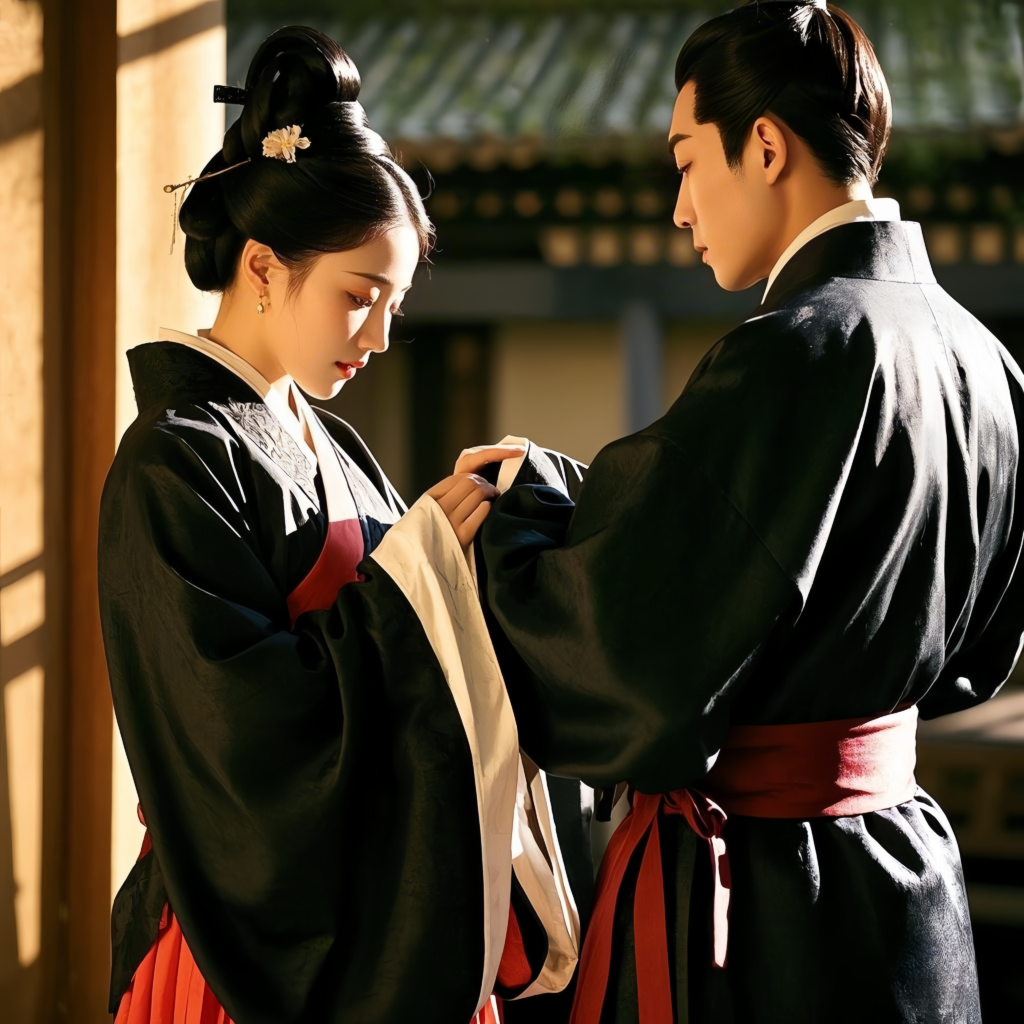
The Qin Dynasty (221–206 BCE) favored black, symbolizing authority, making it the dominant color in Hanfu fashion. Designs retained the right-over-left collar from the Warring States, with women’s quju robes featuring flared, trumpet-like hemlines and low cross-collars exposing layered undergarments. Some outfits had up to three overlapping collars, known as “three-layered clothing.” The close-fitting robes with wide or narrow sleeves highlighted the dynasty’s structured yet bold aesthetic.
Wei, Jin, and Northern and Southern Dynasties: Flowing Elegance
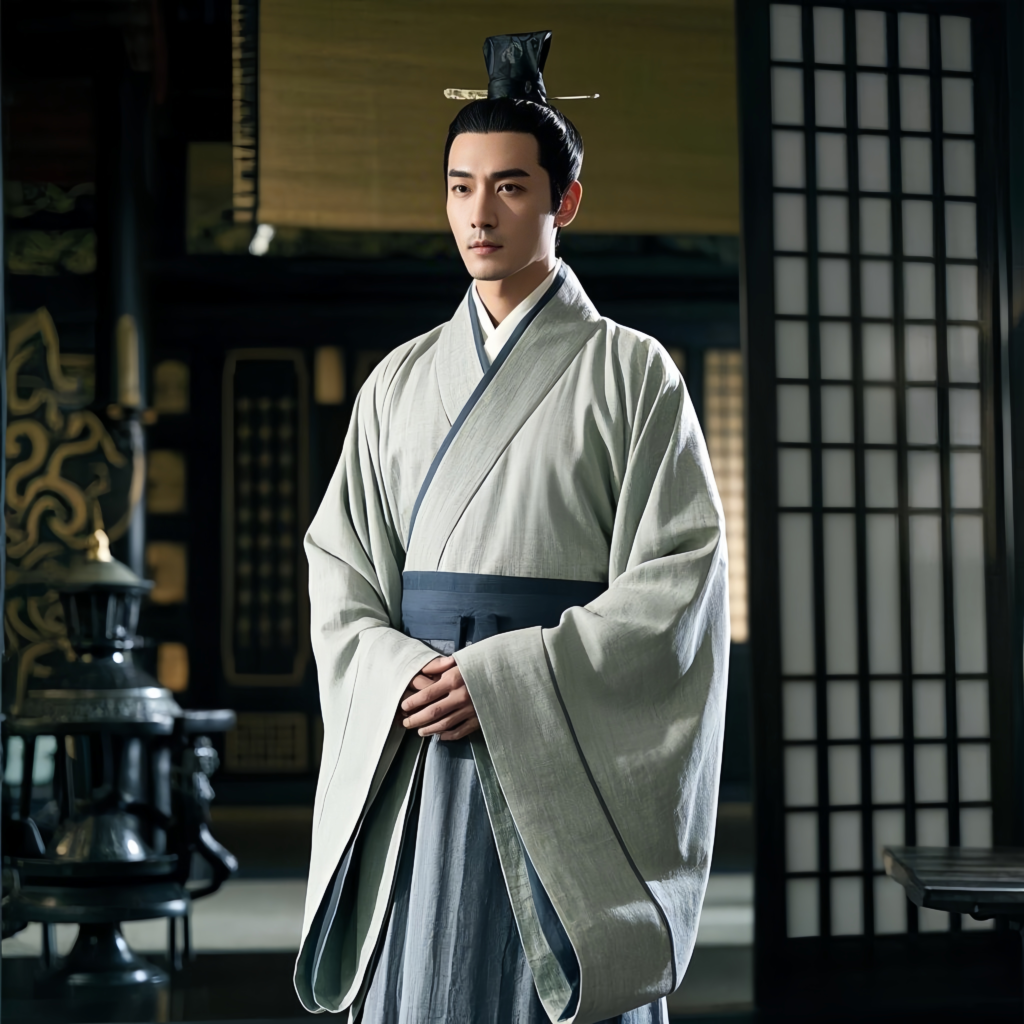
The Wei, Jin, and Northern and Southern Dynasties (220–589 CE) saw Hanfu fashion embrace flowing, large-sleeved robes for men, popular among elites. Women’s clothing, influenced by ethnic minorities, paired tighter upper garments with pleated, ground-length skirts. This Chinese traditional clothing style emphasized grace and freedom, creating a carefree silhouette that defined the era’s aesthetic.
Tang Dynasty: Bold Innovation
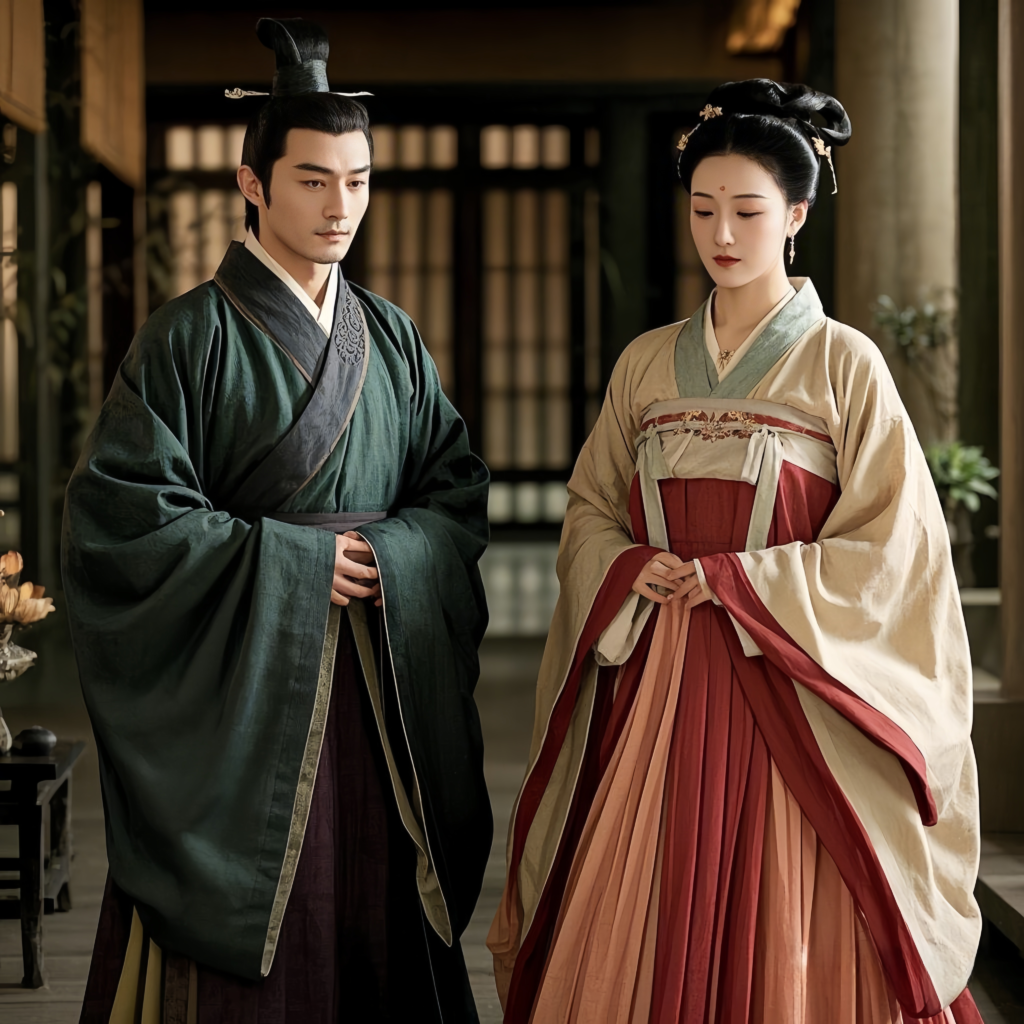
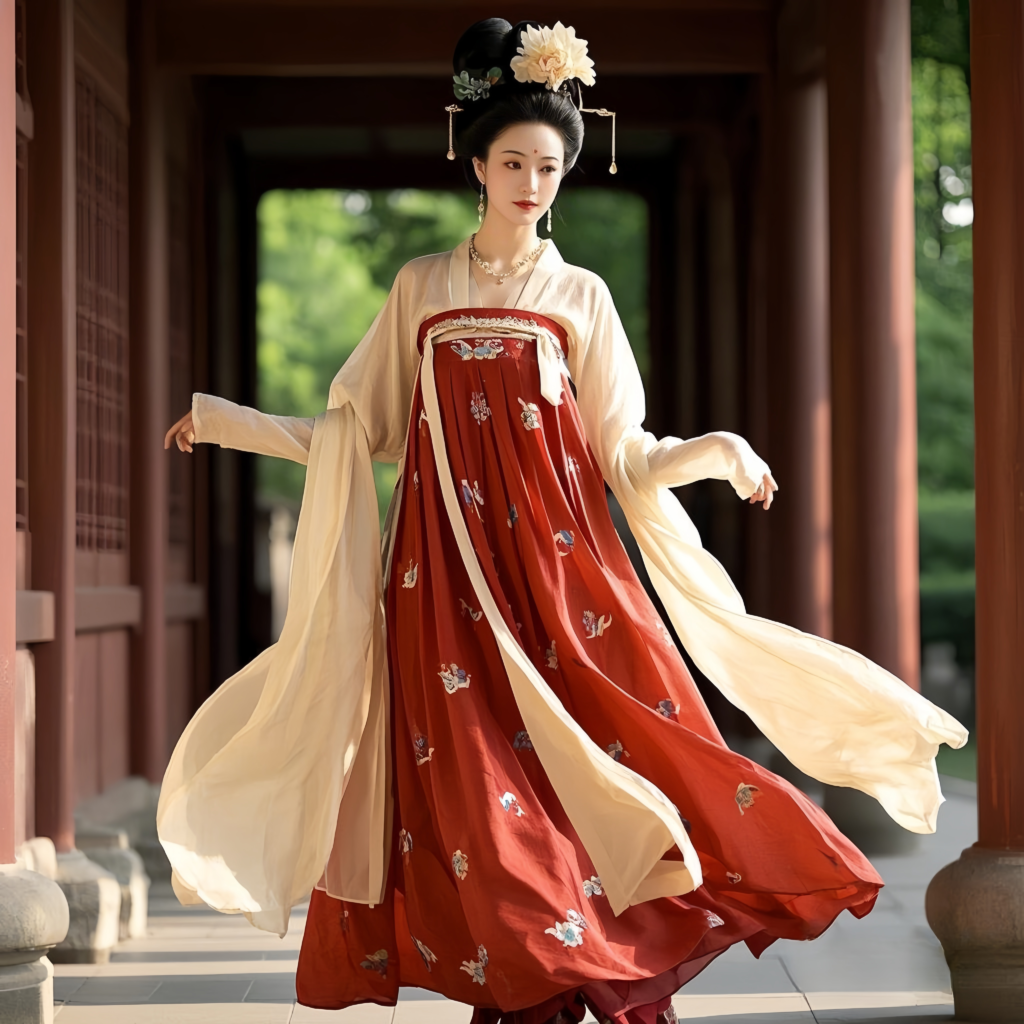
The Tang Dynasty (618–907 CE) was a pinnacle of Tang Dynasty robes, blending innovation with tradition. Men wore round-collared, narrow-sleeved robes and fu tou headgear with fixed jin zi decorations. Official attire included large-sleeved robes and crown-like headpieces for ceremonies. Women’s fashion featured short, tight robes with high-waisted skirts in the early Tang, loosening by the mid-Tang for a more expansive look. These Hanfu fashion designs influenced East Asian clothing, as noted in The Metropolitan Museum of Art.
Five Dynasties: Tang’s Legacy
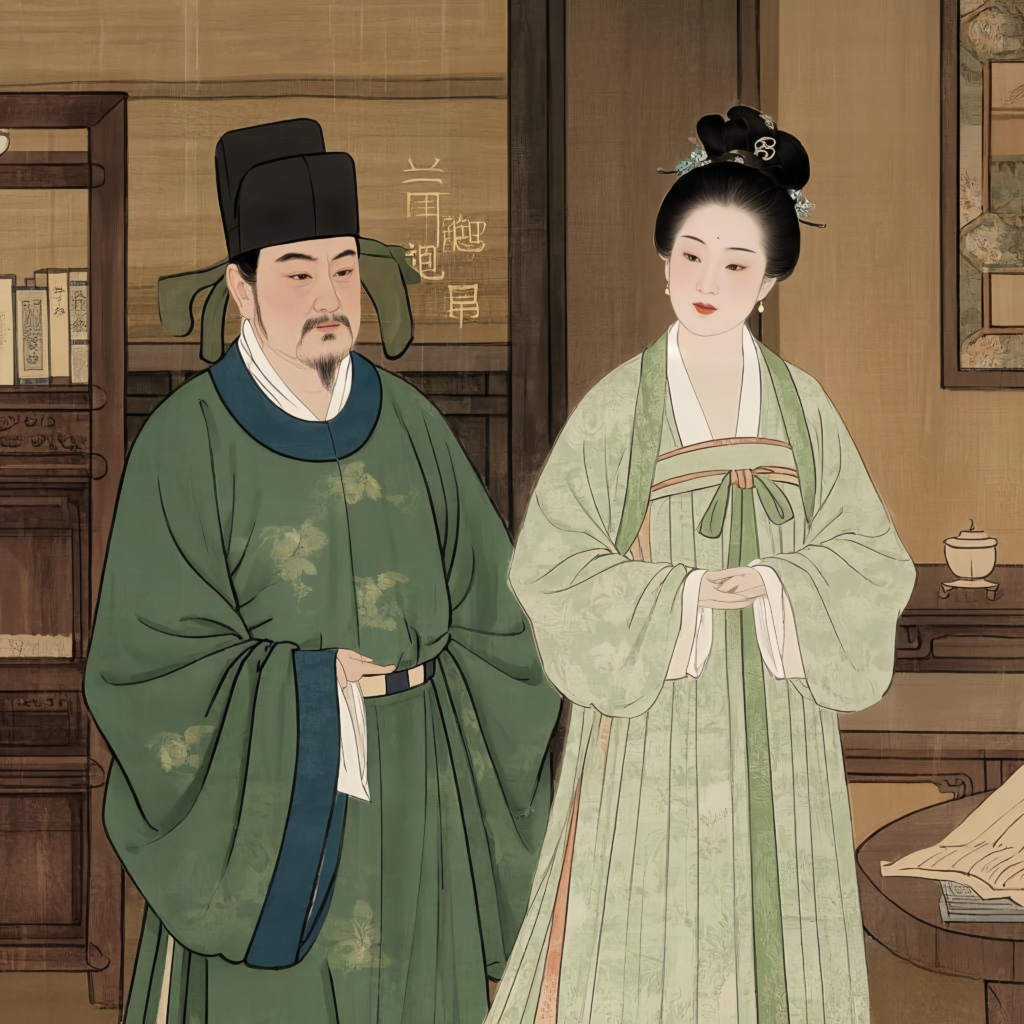
The Five Dynasties (907–960 CE) continued Tang Dynasty robes trends, as seen in The Night Banquet of Han Xizai. Men wore fu tou and green lan pao robes, likely due to government regulations. Women’s attire included short robes with long skirts, secured with silk ties and extended pi bo sashes (3–4 meters long). This period solidified Hanfu fashion as a blend of elegance and continuity.
Song Dynasty: Refined Simplicity
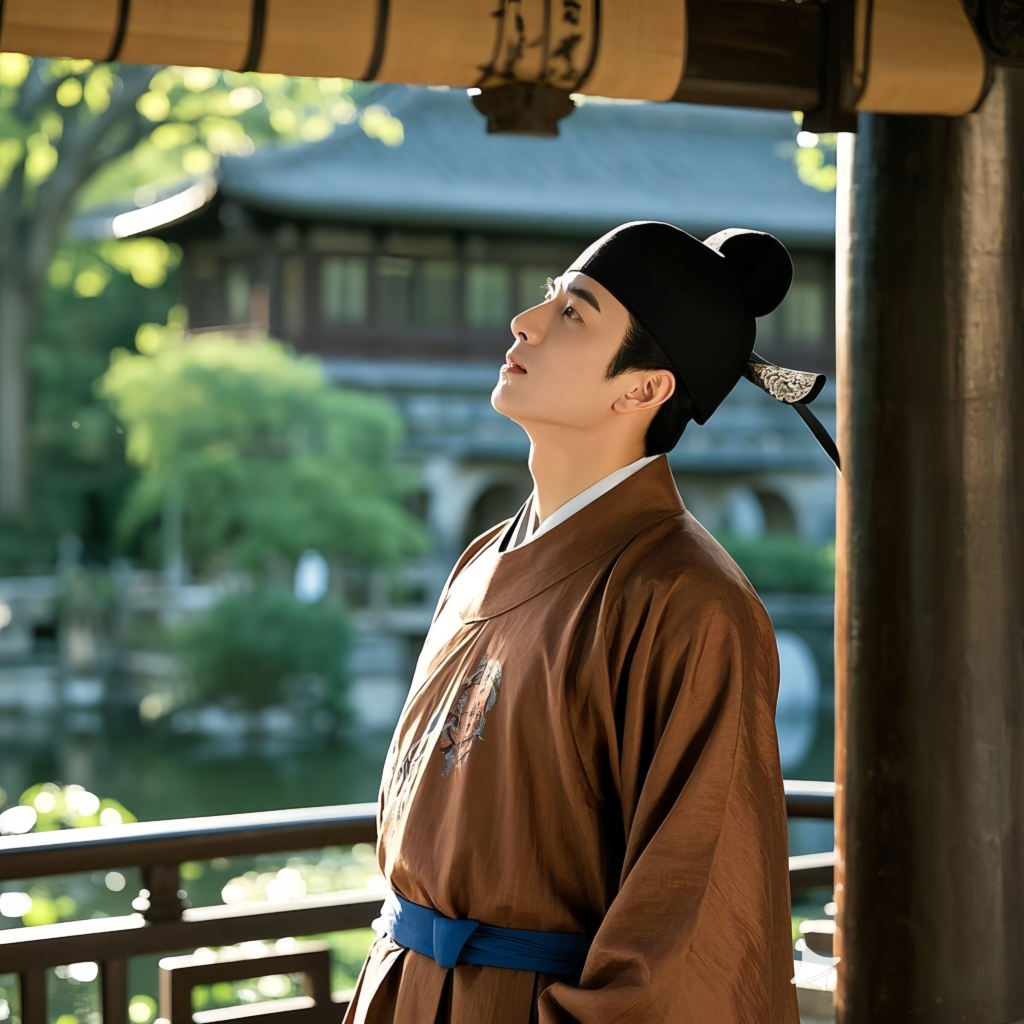
The Song Dynasty (960–1279 CE) refined Song Dynasty attire, maintaining Tang’s round-collared and right-over-left collar styles but with wider sleeves for men. Women’s fashion offered large right-over-left or straight-crossing collars, popular across social classes. The emphasis on understated elegance made Hanfu fashion accessible and timeless.
Ming Dynasty: Ornate Diversity
In the Ming Dynasty (1368–1644 CE), Ming Dynasty skirts and robes flourished. Men retained traditional collar designs, while women’s fashion diversified with ornate robes, skirts, and sashes inspired by Tang and Song styles. Silk ties and belts added intricate details, reflecting cultural pride. Explore Ming designs at Smithsonian’s Freer Gallery.
Hanfu’s Timeless Legacy
The evolution of Hanfu fashion mirrors China’s dynamic history, from the functional robes of the Spring and Autumn period to the elaborate Ming Dynasty skirts. Each dynasty contributed unique elements to Chinese traditional clothing, blending aesthetics with cultural values. In 2025, Hanfu fashion remains a vibrant symbol of heritage, inspiring modern designs on platforms like Etsy. Whether through Tang’s bold robes or Song’s refined collars, Hanfu continues to captivate, embodying centuries of tradition and artistry.


Responses